The Pan American Health Organization (PAHO) is warning countries across the Americas to strengthen surveillance, clinical management, and vector control measures amid localized chikungunya outbreaks and the continued spread of the Oropouche virus (OROV).
In a new epidemiological alert, PAHO said the simultaneous circulation of arboviruses such as chikungunya and Oropouche raises the risk of outbreaks, severe complications, and fatalities among vulnerable groups.
The largest chikungunya outbreaks in 2025 have been concentrated in South America—particularly in Bolivia, Brazil, and Paraguay—as well as parts of the Caribbean. As of August 9, 14 countries reported 212,029 suspected cases and 110 deaths, with more than 97% in South America. By comparison, 2024 saw over 431,000 cases and 245 deaths, suggesting an overall decline but with active localized transmission this year.

Genetic sequencing shows a shift in the virus’s behavior. Since 2014, the Asian genotype has predominated, but PAHO confirmed the East/Central/South African (ECSA) lineage in at least four countries. “Understanding chikungunya’s genetic lineages is essential to predict transmission dynamics and tailor public health responses,” the agency noted.
Meanwhile, Oropouche virus cases are on the rise. In the first seven months of 2025, more than 12,700 confirmed infections were reported in 11 countries, including locally acquired cases in Brazil, Colombia, Cuba, Panama, Peru, and Venezuela. Traditionally confined to the Amazon, the virus has recently spread to previously unaffected areas, prompting PAHO to call for improved geospatial monitoring to track its advance.
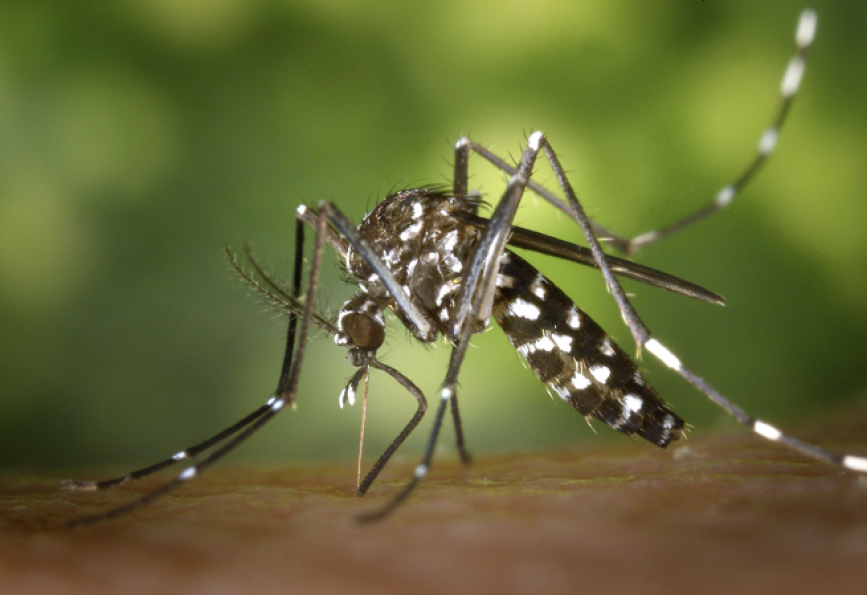
Both viruses pose significant health risks. Chikungunya, transmitted mainly by the Aedes aegypti mosquito, causes fever, rash, and intense joint and muscle pain, with severe cases leading to shock or neurological complications. Oropouche, spread by biting midges and possibly some mosquito species, produces fever, headache, and muscle pain, and can result in relapses or neurological illness such as meningitis. Neither virus has a vaccine or specific antiviral treatment, leaving prevention and symptom management as the main strategies.
PAHO’s recommendations include eliminating mosquito breeding sites in high-risk locations such as schools and health centers, using molecular testing for early diagnosis, and training healthcare workers to manage acute and chronic cases. For Oropouche, clinicians are urged to consider it in the differential diagnosis of dengue during the first week of illness and remain alert for neurological complications.
The health agency also stressed the importance of community engagement in reducing mosquito and midge populations. It urged the use of repellents and window screens and encouraged measures such as draining temporary water bodies, clearing vegetation around homes, and removing stagnant pools to curb breeding.