Guyana sees reduction in cases of filaria, leprosy, and TB
The Ministry of Health in Guyana is making significant strides towards the eradication of several "neglected diseases", including filaria, leprosy, and tuberculosis.
Near to the eradication of filaria
Minister of Health Dr Frank Anthony said cases of filaria have fallen significantly and the country is now closer to the eradication of the disease.
Anthony announced that out of the ten administrative regions in Guyana, eight have reported no presence of the filaria parasite. Efforts are now concentrated on the remaining two regions, specifically targeted areas within these regions, to eliminate the disease completely.
He noted that areas will be targeted with mass drug administration and next year the international evaluation team will be coming to evaluate Guyana.
Leprosy cases decline
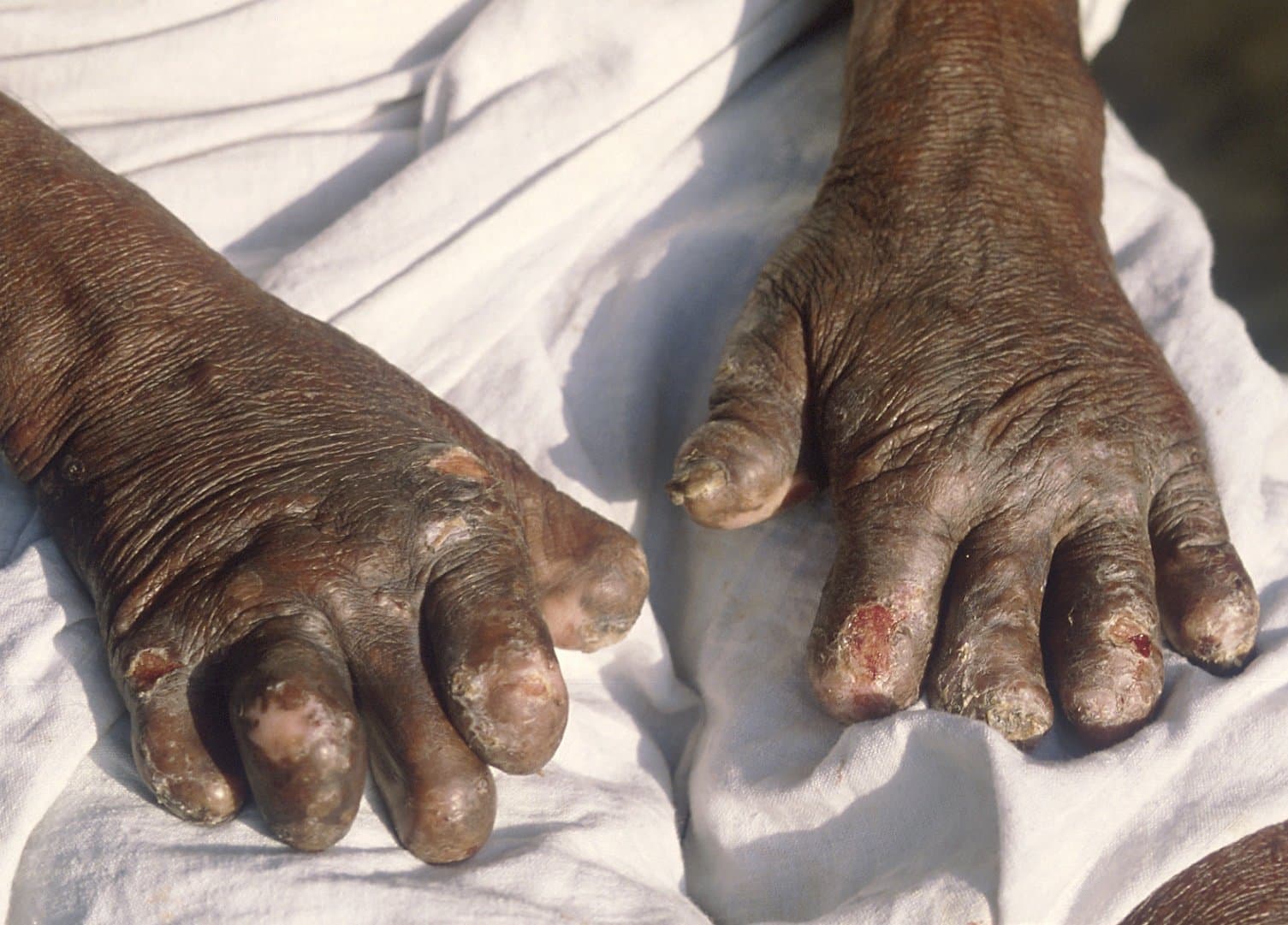
Similarly, leprosy cases have shown a significant decrease.
The ministry plans to introduce a prophylaxis program aimed at breaking the transmission chain within families. This initiative is expected to commence this year, further reducing the incidence of leprosy.
Tackling other neglected diseases
The fight against neglected diseases in Guyana also targets leishmaniasis, trypanosomiasis, and intestinal worms. These diseases, known for their impact on the world’s poorest populations, are part of a broader initiative to improve health outcomes.
The Health Ministry is optimistic about eliminating these five identified neglected infections by 2030, enhancing the quality of life for many Guyanese.
Reduction in Tuberculosis cases
Tuberculosis (TB) cases are also on a downward trajectory, with a significant reduction in patients diagnosed with the disease.
Dr Anthony noted that from a count of 500 patients, the numbers have dwindled to less than 40, including a decrease in cases of multi-drug-resistant TB.
The ministry has implemented strategies for mapping and treating TB cases effectively. Moreover, special attention is given to homeless individuals with TB, offering them hot meals and treatment support, which has led to encouraging outcomes.
There are also provisions for training for the departments that will be working on the elimination of these diseases.