Addiction in the Military: Challenges and Solutions for Armed Forces Service Members
Key Points(5)
- <h3>If you’re in the military or have a friend, family member, or loved one who is, this article is for you.
- Addiction in the military is a matter of life and death, not to mention operational success.</h3> In most cases, whether discussing the military in Caribbean nations or that of the United States, high stress, combat trauma, and easy access to alcohol and prescription drugs are the culprits.
- This article from Caribbean National Weekly looks at the statistics, the causes, and the solutions.
- But how and why does this occur, and what can be done to correct the issue?
- In the US and Caribbean nations, the prevalence of substance abuse among service members demands we look at the causes and the substances used.
If you’re in the military or have a friend, family member, or loved one who is, this article is for you. Addiction in the military is a matter of life and death, not to mention operational success.
In most cases, whether discussing the military in Caribbean nations or that of the United States, high stress, combat trauma, and easy access to alcohol and prescription drugs are the culprits.This article from Caribbean National Weekly looks at the statistics, the causes, and the solutions.
Quick Facts
- Substance abuse among service members affects their health and operational effectiveness, alcohol and prescription drugs are the most commonly used due to deployment stress and injuries.
- Combat exposure, mental health issues like PTSD and depression and military culture make it hard to seek help.
- Inpatient and outpatient programs, medication-assisted treatments and addressing stigma and confidentiality concerns, means we need accessible rehab services and proactive prevention strategies.
Looking into Substance Abuse in Military Forces
It seems self-evident that substance abuse affects the health and overall effectiveness of military operations. But how and why does this occur, and what can be done to correct the issue?
In the US and Caribbean nations, the prevalence of substance abuse among service members demands we look at the causes and the substances used. Understanding this problem is key to operational readiness and service member well-being.
Alcohol and prescription drugs are the most common substances abused. Deployment stress and injuries lead to increased substance use among service members. Tobacco and illicit drugs are also used but to a lesser extent due to military policies. This is a complex problem that requires targeted solutions for prevention and treatment to support our armed forces.
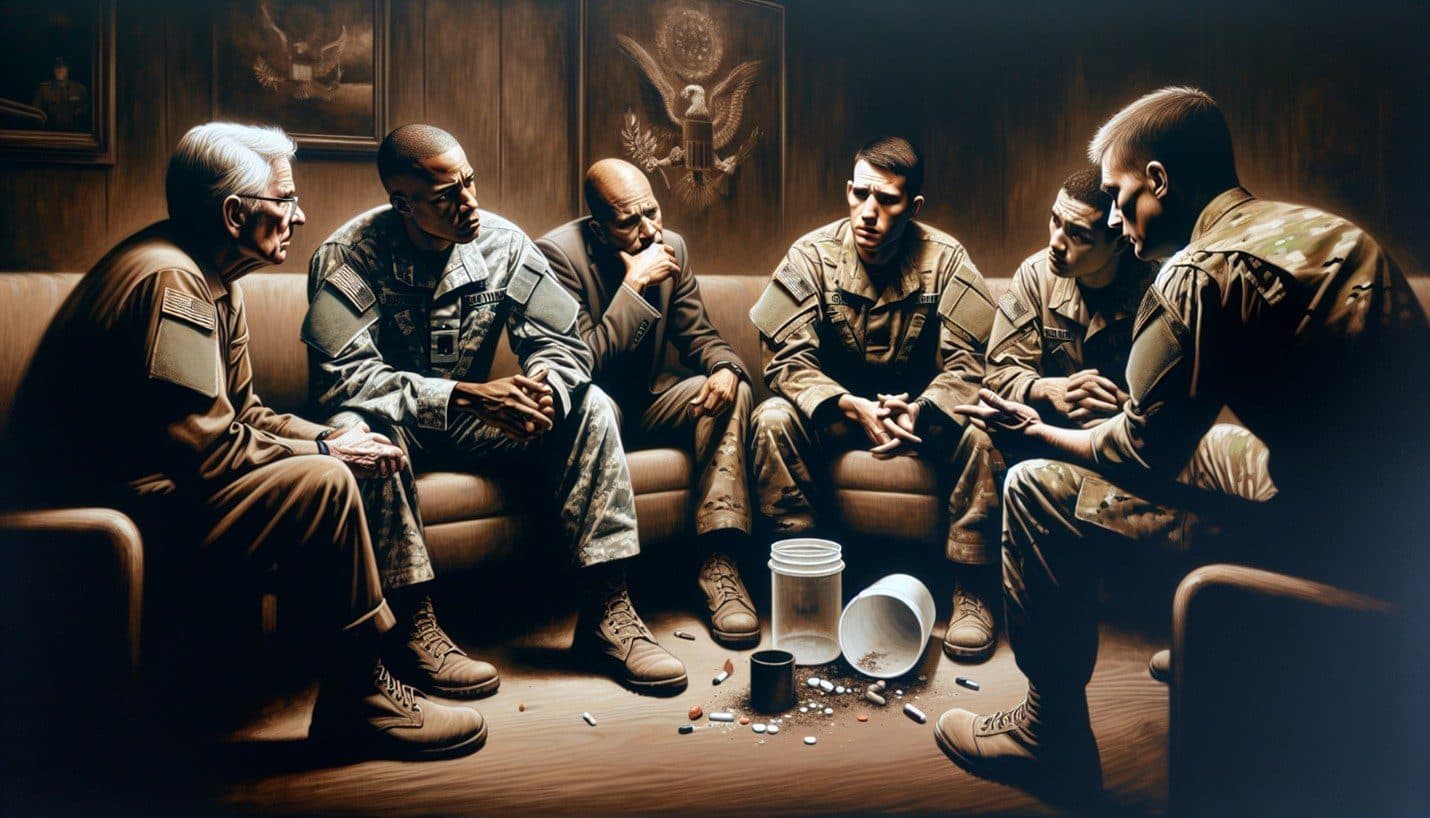
According to The National Academies Press, managing substance use disorders among service members is a matter of health and national security. The demands of military service and the unique stresses of deployment and combat create an environment conducive to substance misuse. Our comprehensive guide looks at the specific types of substance abuse among active duty service members to help understand the problems and solutions.
Alcohol Abuse
Alcohol abuse is prevalent among service members especially those who have been in combat. The high-stress environment and the traumatic experiences during combat deployments lead to increased alcohol use as a coping mechanism. Studies show that up to 43.2% of active duty service members binge drink, 30% are binge drinkers and more than 5% are heavy drinkers.
These high rates of alcohol abuse pose a big challenge in treating substance use disorders among service members. The problem is further complicated by the normalization of alcohol use in the military culture which makes it hard for those with substance use disorders to seek help.
A multi-faceted approach to education, policy enforcement, and accessibility of treatment options is needed to address alcohol use disorders.
Prescription Drug Misuse
Prescription drug misuse especially opioids is another big problem among active duty service members. Injuries during deployment often require pain management which can lead to misuse of prescribed opioids. Just over 4% of active duty service members reported misusing one or more prescription drug types in the past year according to 2015 data. These statistics show the prevalence of prescription drug misuse in the military.
Misusing prescription opioids can quickly lead to opioid use disorders. The demands of military work and physical injuries often require robust pain management which must be balanced with the risk of substance use disorders.
To address the growing problem among service members, solutions for the prevalence and treatment challenges in prevention are key.
Illicit Drug Use
Illicit drug use in the military is very low due to the zero-tolerance policy and random drug testing. Less than 1% of active duty service members reported illicit drug use according to 2015 Health Related Behaviors Survey. These strict policies maintain discipline and operational readiness among service members.
But fear of criminal prosecution and dishonorable discharge may keep some from seeking treatment. The military’s drug testing program which includes mandatory testing for every soldier at least once a year ensures that illicit drug use is minimal and helps identify positive drug test cases.
While this approach keeps the environment drug-free, we also need to provide options for those who need help to overcome substance misuse.
The Leading Risk Factors for Substance Abuse in the Military
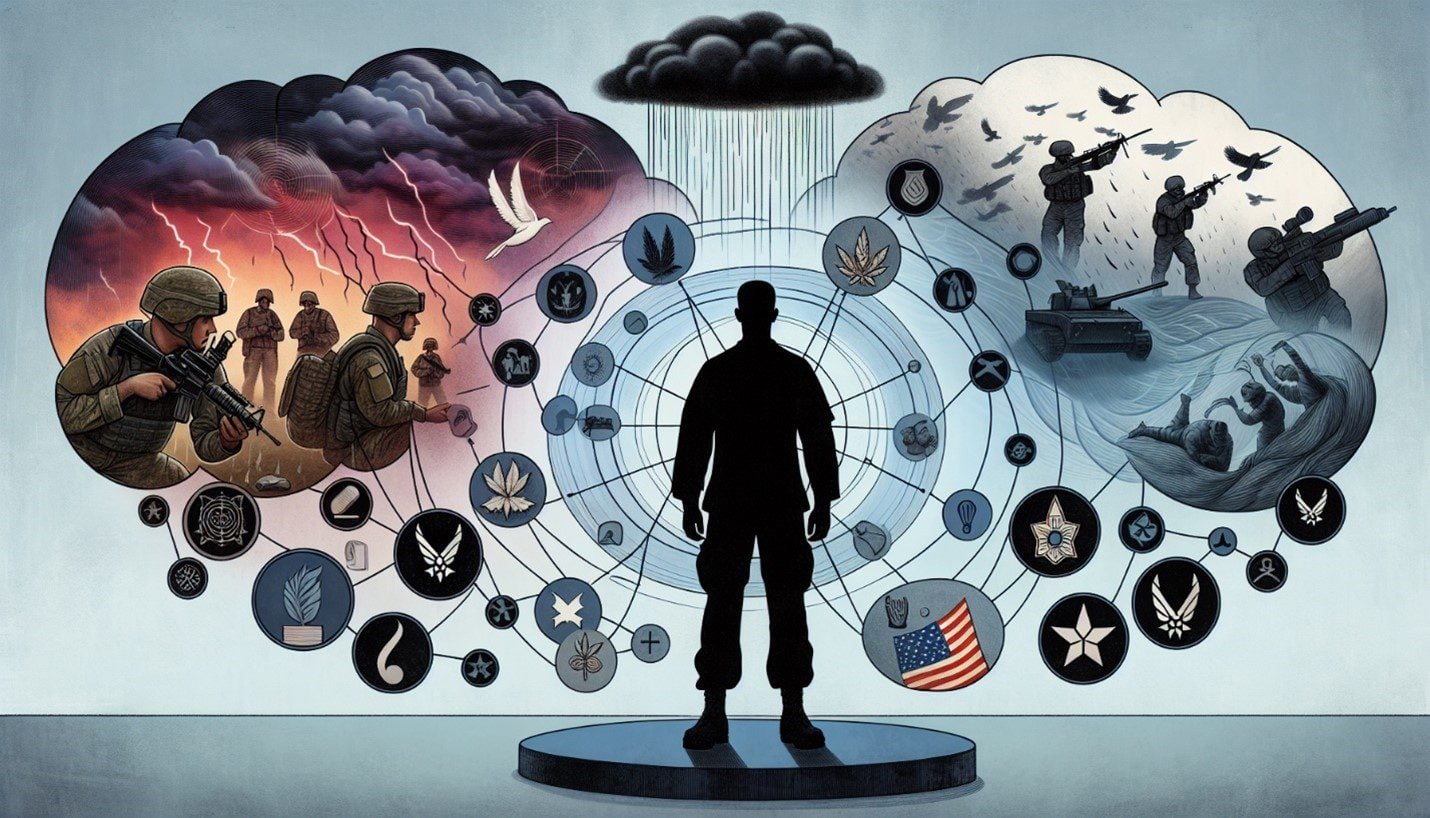
Many risk factors contribute to substance use disorders among active duty service members. Understanding these factors is key to prevention and treatment. The main risk factors are combat exposure, mental health problems, and military culture. Each of these factors contributes to substance abuse in the military.
Deployment stress, military sexual trauma, and the demands of service can increase the likelihood of substance misuse. The experiences and traumas during deployment such as seeing death or serious injury can lead to psychological distress and substance abuse issues. These are not unique to the US military but are also present in military units in Caribbean countries.
Multiple deployments can have an additive effect, piling up the stress and trauma on service members. This cumulative stress increases the risk of substance use disorders. It’s important for the well-being of service members that these risk factors are addressed through support and treatment programs.
Combat Exposure
Combat exposure is a risk factor for substance abuse among service members. Service members on their 3rd or 4th deployment reported more substance misuse than those on their 1st or 2nd deployment. Combat-related injuries can lead to increased substance use problems.
Combat zone deployments are associated with an increase in heavy and binge drinking. Combat stress increases the risk of alcohol dependence. Addressing the impact of combat exposure on substance use requires targeted interventions and support systems to help service members deal with the unique challenges they face.
Mental Health Problems
Mental health problems such as PTSD, depression, and traumatic brain injury are linked to substance abuse among military personnel. Untreated mental health issues often lead service members to use substances as a coping mechanism. While this may provide temporary relief, it can worsen symptoms over time and lead to mental health disorders such as co-occurring disorders.
In the US, SAMHSA (the Substance Abuse and Mental Health Services Administration) has a critical role to play in addressing these issues and providing support for alcohol and drug abuse recovery.
Substance use may initially relieve PTSD symptoms but often worsens them in the long run. Among veterans especially in Caribbean militaries, depression due to alcohol use is common. Good mental health services and treatment programs are necessary to address co-occurring disorders and overall well-being of service members.
Military Culture
Military culture also contributes to substance abuse. Alcohol is available on military bases at discounted rates, creating a culture of heavy drinking. Ritualized drinking and social drinking are common, adding to alcohol use problems among service members.
The normalization of alcohol use in military culture makes it hard for service members struggling with substance use disorders to seek help. Addressing these cultural factors requires policy and attitude changes toward alcohol use and education and prevention programs.
How does Substance Abuse Affect Military Operations?
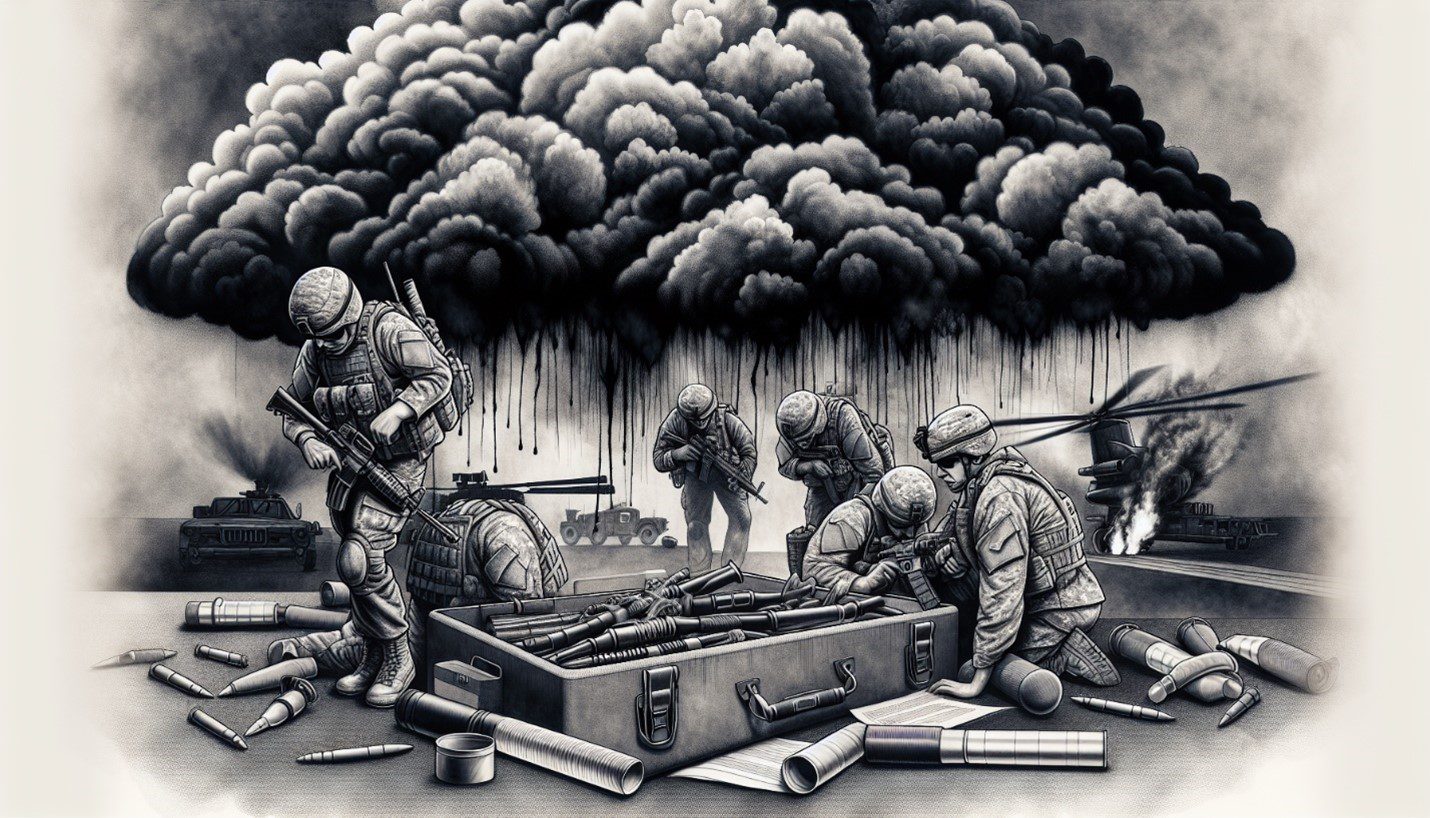
Substance abuse among active duty service members affects military operations big time. It impairs the readiness, discipline, and mental and physical health of service members - all essential to operational effectiveness. The impact on unit cohesion and overall mission success is huge.
Substance abuse makes affected service members unreliable and underperforming, this section will look into the specific ways addiction affects operational readiness and safety and why prevention and treatment are necessary.
Addiction and Operational Readiness
Addiction impairs cognitive functions necessary to perform military duties. Poor on-duty performance due to substance abuse compromises military duties and operational effectiveness. Substance abuse also diminishes physical fitness for military duties and overall operational readiness.
Addressing substance misuse among active duty service members including military personnel is necessary for operational readiness. Treatment programs and support systems can help service members overcome addiction and regain their cognitive and physical abilities.
Safety and Accidents
Substance use including drug use increases the risk of accidents and injuries among service members. Impaired motor skills and reaction time due to substance use can lead to mishandling of weapons and equipment, a big risk to safety.
Whether in the US or in Caribbean countries like Jamaica, drug and alcohol use increases the risk of accidents and injuries.
Military personnel can be safe by addressing substance abuse with prevention and treatment programs. By reducing substance misuse we can increase overall safety and operational effectiveness of our armed forces.
Treatment and Support for Service Members
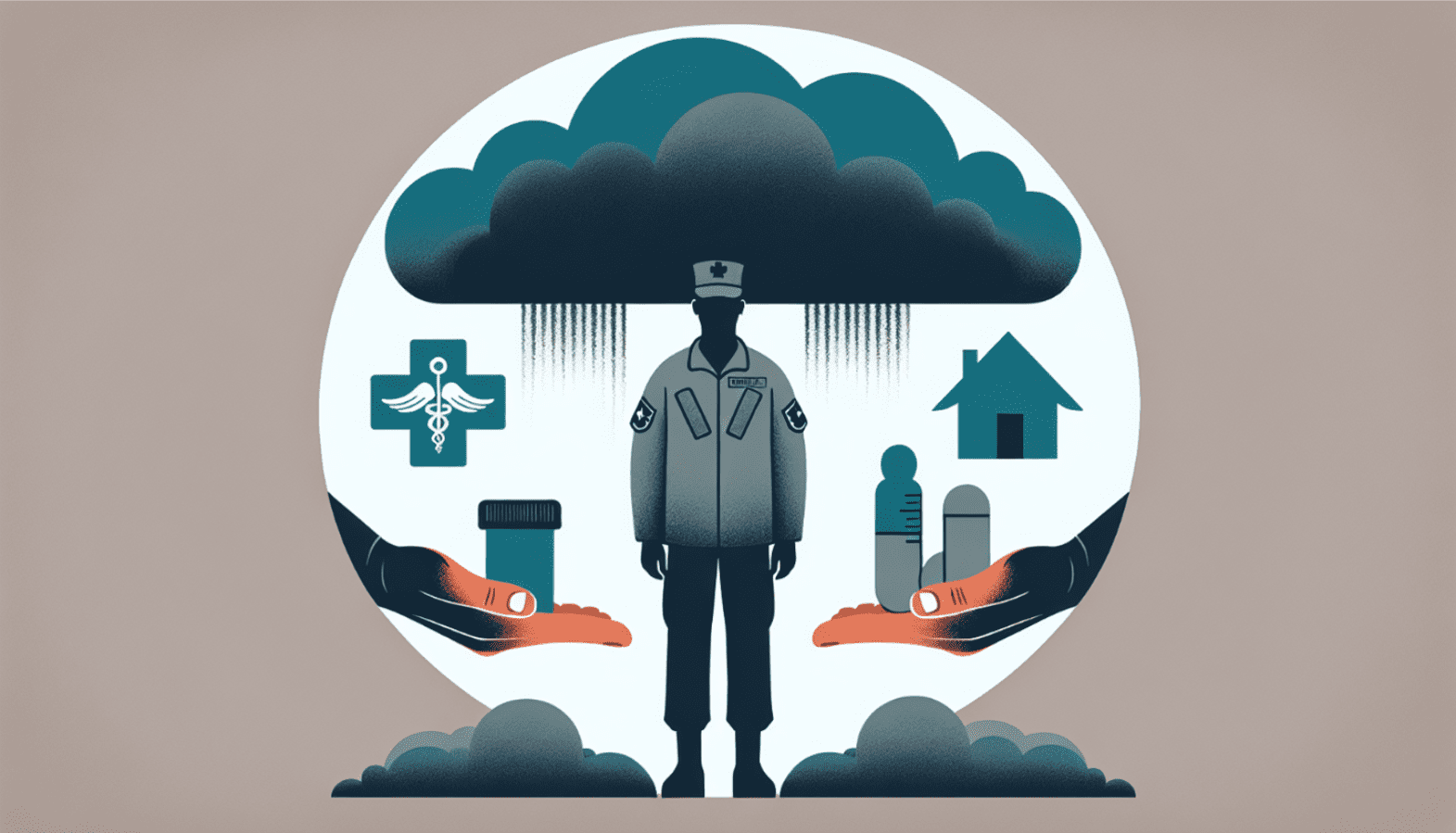
There are various treatment and support options for service members struggling with substance abuse. Some of these options are:
- Free counseling services on military bases
- Random drug testing to ensure accountability
- Specific treatment programs for veterans, often covered by TRICARE
These programs are designed to address the unique needs of military personnel and support their recovery.
This section will look into different treatment methods, inpatient and outpatient, medication assisted treatment, and stigma and confidentiality concerns. By understanding these options service members can find the support they need to overcome substance misuse.
Inpatient and Outpatient Programs
Inpatient rehab programs that accept TRICARE insurance often include medical detoxification, individual therapy, and group counseling. These programs provide a structured environment for service members to focus on their recovery without the distractions of daily life.
TRICARE Health System expanded services in 2016 to include intensive outpatient programs for substance use disorder treatment, and more options for those who need to balance treatment with responsibilities.
Outpatient programs provide flexibility, individuals can receive treatment while resuming daily responsibilities. This combination of inpatient and outpatient programs ensures service members have access to care no matter their situation.
Medication-Assisted Treatment
Medication-Assisted Treatment (MAT) is an effective way to manage opioid and alcohol dependence. For opioid addiction, medications like methadone, buprenorphine, and naltrexone are used. These medications help manage withdrawal symptoms and reduce cravings so individuals can focus on recovery. The FDA has approved these medications for opioid addiction, they are safe and effective.
For alcohol dependence, medications like disulfiram, acamprosate, and naltrexone are used to support recovery. These medications help manage withdrawal symptoms and reduce the urge to drink, a holistic approach to treatment.
Stigma and Confidentiality Concerns
Stigma and confidentiality concerns are big barriers to seeking treatment for substance abuse. Military personnel worry about the stigma of substance abuse, and fear it will affect their reputation and relationships within the unit. Confidentiality concerns also prevent military personnel from seeking treatment because they fear their issues won’t stay private.
For military members in the US and soldiers of Caribbean descent who are TRICARE eligible, help from TriCare Rehabs is confidential and life-saving. Addressing these concerns is key to service members seeking help without fear of repercussions.
Career Consequences
Fear of career consequences, like disciplinary action or missing out on promotions, prevents many service members from seeking help for substance abuse. This fear prevents individuals from getting the help they need, making the problem worse and potentially more severe.
The best approach is to be proactive, service members should reach out for support before negative consequences occur or accumulate. Encouraging a culture of support and understanding within the military will allow service members to get help without fear of damaging their careers.
Making Rehab Services More Accessible to Military Members
Accessibility and location of treatment facilities are a big challenge for military personnel seeking substance abuse services. Often the limited availability of specialized substance abuse treatment facilities outside of major bases makes it difficult for service members to get the care they need. This is also true for military members in Jamaica and other Caribbean nations seeking help for sobriety.
To address these challenges, we need to make rehab services more accessible, including increasing the number of treatment facilities and telehealth options for remote support. By making care more available we can ensure all service members can get help and achieve long-term recovery.
Prevention Strategies and Addressing Addiction in The Military
A holistic approach, education programs, policy enforcement and therapeutic interventions are needed to prevent substance abuse in the military. Education and training programs are key to raising awareness about substance use disorders and equipping service members with the knowledge to make informed decisions. These programs can educate service members on the risks of substance misuse and the importance of seeking help early.
Policy changes are needed to support prevention and service members with substance use disorders.
In the US and Caribbean nations more proactive policies are needed to address the unique challenges of military personnel. By implementing prevention strategies we can reduce substance abuse and support our armed forces overall health and readiness.
How to Get Recovery Support in the Military
Whether stateside or serving in Jamaica or other Caribbean countries seek support before addiction takes over. The military has resources for recovery support, counseling services, treatment programs, and support groups. Take advantage of these resources and get help early to prevent substance use disorders from affecting your life and career.
For TRICARE-eligible, accredited treatment programs in the US can lead to long-term recovery and a successful military career. These programs offer specialized support for military personnel, so that they get the care and treatment needed to overcome alcohol abuse and other forms of substance abuse.
Addressing Addiction in the Military is an Ongoing Process
From our dive into the topic, it is clear that substance abuse in the military is a complex issue that requires a multi-faceted approach to address. Through an understanding alcohol and prescription drug misuse to military culture and combat exposure, it’s clear targeted interventions and support systems are needed.
By looking at the risk factors, impact on military operations and treatment and support options, we get a full picture of the challenges and solutions for service members with substance use disorders.
Using prevention strategies, treatment programs and a culture of support and understanding we can help service members overcome substance abuse and be operationally ready. Encouraging service members to get help early and providing the resources for recovery is key to the health and effectiveness of our armed forces.
Together we can create an environment that supports resilience and well-being for those who serve.
FAQs on Drug and Alcohol Abuse in the Military
What are the most commonly used substances?
Alcohol and prescription drugs are the most commonly used substances among military personnel, often linked to combat exposure and deployment injuries. Be aware of the challenges service members face with substance abuse.
How does combat exposure increase the risk of substance abuse?
Combat exposure increases the risk of substance abuse by creating high levels of stress and trauma which can lead to increased alcohol consumption and prescription drug misuse. These can affect service members long after deployment.
What treatment options are available for service members with substance abuse?
Service members with substance abuse have inpatient and outpatient programs, medication-assisted treatment, and counseling services through TRICARE-covered programs which are specialized for their needs. These options offer full support to address their struggles.
How does military culture contribute to substance abuse?
Military culture can contribute to substance abuse by making alcohol available on bases and ritualized drinking events which can make it hard for individuals with substance abuse to seek help. We need to recognize and address the impact of this culture on individuals well-being.
What are the consequences of getting help for substance abuse in the military?
Get help early and get proactive for substance abuse in the military, as the consequences can be stark, including dishonorable discharge and court martial. Don’t wait.


.jpg&w=3840&q=75)