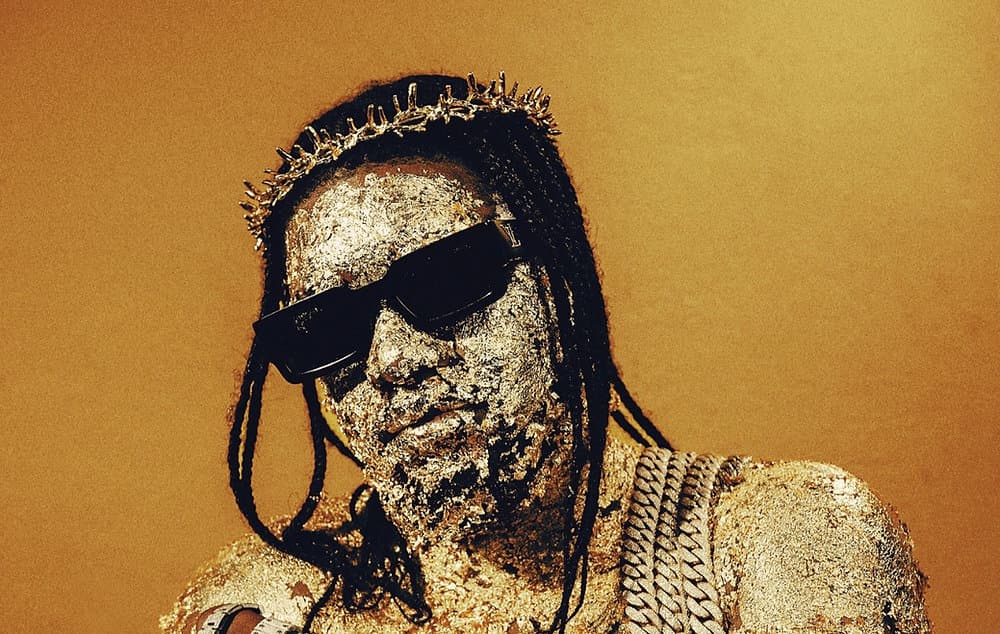
The Wailers and Grace Jones makes Rolling Stone 100 Best Album Covers of All Time list
Key Points(5)
- The Wailers and Grace Jones have made the Rolling Stone magazine’s 100 Best Album Covers of All Time list.
- The list was revealed on July 18 features a wide array of artist and musicians from Biggie to Beyoncé to Bad Bunny, from Nirvana to Nas to Neil Young.
- The album is one of the best invention of the past century, hands down — but the music isn’t the whole story.
- The album cover has been a cultural obsession as long as albums have.
- Ever since 12-inch vinyl records took off in the 1950s, packaged in cardboard sleeves, musicians have been fascinated by the art that goes on those covers, and so have fans.
The Wailers and Grace Jones have made the Rolling Stone magazine’s 100 Best Album Covers of All Time list.
The list was revealed on July 18 features a wide array of artist and musicians from Biggie to Beyoncé to Bad Bunny, from Nirvana to Nas to Neil Young.
The album is one of the best invention of the past century, hands down — but the music isn’t the whole story. The album cover has been a cultural obsession as long as albums have. Ever since 12-inch vinyl records took off in the 1950s, packaged in cardboard sleeves, musicians have been fascinated by the art that goes on those covers, and so have fans. When the Beatles revolutionized the game with the cover of Sgt. Pepper, in 1967, it became a way to make a visual statement about where the music comes from and why it matters. But the art of the album cover just keeps evolving.
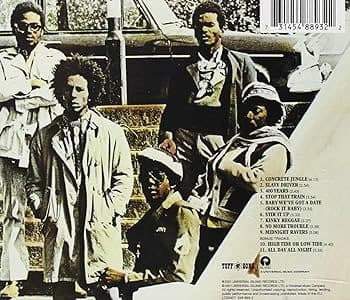
The original vinyl release for Catch A Fire by The Wailers was designed by Rod Dyer and Bob Weiner, then it was later replaced by a straight-up shot of Bob Marley smoking a spliff by Esther Anderson designed by John Bonis.
Catch A Fire, which ranks at #70 on the Rolling Stone list, was released in 1973 via Island Records. It was recorded in London at the Island Records studio and in Jamaica at Harry J, Dynamic Sounds and Randy’s recording studios.
With nine songs (two of which were written and composed by Peter Tosh, seven were written by Marley), Catch a Fire’s hit songs included Concrete Jungle, Slave Driver, Stop That Train, Stir it Up, Kinky Reggae, and No More Trouble.
In 2020 the album was ranked at #140 on Rolling Stone magazine’s 500 Greatest Album of All Time List.
The original 1973 vinyl release, designed by graphic artists Rod Dyer and Bob Weiner, was enclosed in a sleeve depicting a Zippo lighter. The sleeve functioned like a real Zippo lighter case, opening at a side hinge to reveal the record within. Only the original pressing of 20,000 had the Zippo cover; because each cover had to be hand-riveted, which was not cost-effective, subsequent pressings had an alternative cover designed by John Bonis, featuring an Esther Anderson portrait of Marley smoking a "spliff", with the album now credited to Bob Marley and the Wailers. Shortly after the album's release, Jamaican police raided Anderson's house and seized the cover photo and film, which were never returned. Copies of the record from the original pressings have since become collector's items. The original cover art was reproduced in 2001 for the deluxe compact disc edition. Chart-wise, Catch A Fire reached #171 on the Billboard 200 albums chart and #51 on Billboard’s Black Albums chart in 1973.
Renewed interest in the album was spawned by the global success of the Bob Marley: One Love biopic, and it re-entered the Belgian Albums chart, rising to #164.
The famous Nightclubbing photo of Grace Jones dressed in an Armani suit, a cigarette dangling from her lips, was the culmination of a tempestuous personal and professional relationship between her and photographer Jean-Paul Goude. The image seemed as much a cheeky New Wave commentary on corporate Eighties style as an exercise in gender-bending fashion. But despite observers’ claims (and criticism) of how Goude crafted and manipulated her image, Jones has always asserted that she was in control of the process. “Jean-Paul would say, later…that he had created me,” she wrote in her 2015 autobiography, I’ll Never Write My Memoirs. “I knew that wasn’t the case, that I was creating myself before I met him.”--M.R.
"Nightclubbing "is the fifth studio album by Grace Jones, released in 1981. Recorded at Compass Point Studios in the Bahamas, the album contains a mix of cover versions from artists as diverse as Bill Withers, Iggy Pop, Sting and Astor Piazzolla and original material, including 3 songs co-written by Jones.
Singles from the album: Demolition Man, I've Seen That Face Before (Libertango) and Pull Up To The Bumper.