Jamaican government pledges $10 million for reparations
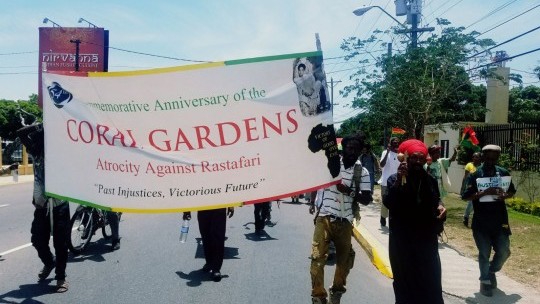
The Jamaican government has apologized to the Rastafarian community for atrocities committed against them by the police at Coral Gardens in St James in 1963.
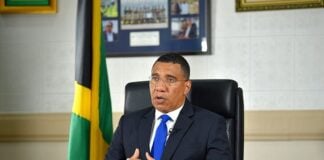
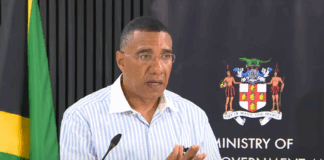
Prime Minister Andrew Holness issued a formal apology on behalf of the Government during a presentation in Parliament on Tuesday.

“Without equivocation, we apologize for what occurred in Coral Gardens,” Holness said.
Holness said that the incident was a grave injustice and acknowledged that it took place at a time when it was considered appropriate to use state machinery against citizens.
He said the Government will endeavor to ensure such an unjust incident is not repeated.
“We express our regret and sorrow for this chapter in our national life that was characterized by brutality, injustice and repression, which was wrong and should never be repeated. In expressing our regret as a people and as a community, we have taken a symbolic, yet courageous and pivotal move, which means that we can face the future with renewed hope, with increased resolve and in a true spirit of reconciliation,” said Holness.
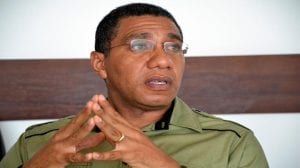
The Prime Minister also announced the establishment of a Trust Fund of no less than J$10 million to benefit the survivors of the Coral Gardens Incident.
In addition, six lots at the property at Pinnacle in St Catherine will be declared by the Jamaica National Heritage Trust as a protected heritage site and will be developed as a Rastafari Heritage and Cultural Centre.

Pinnacle is the site where the first known Rastafarian commune was established by founder of the faith, Leonard Howell. Howell suffered at the hands of local police and was committed to the asylum for his views that God was black.
The Prime Minister also said the Public Defender will continue the work to locate survivors and gather important background social information about them and their families, in consultation with the Rastafari Coral Gardens Benevolent Society and the Member of Parliament for that area.
The Office will utilize the list of survivors provided by the Rastafari Coral Gardens Benevolent Society as the base for continuing the work.
In April, 1963, eight people, including six Rastafarians and two cops, were killed after a gas station was torched at Coral Gardens. The Rastafarians were blamed for burning down the gas station and were involved in a melee with the police which resulted in the deaths.
In the aftermath of the massacre the Rastafarian community was targeted by the state, rounded up beaten and their locks shaved, in some cases with broken bottles. All jail houses in Western Jamaica were bursting at the seams with rastas who were locked up during the crackdown.