Jamaican government steps up efforts to enhance labour force development
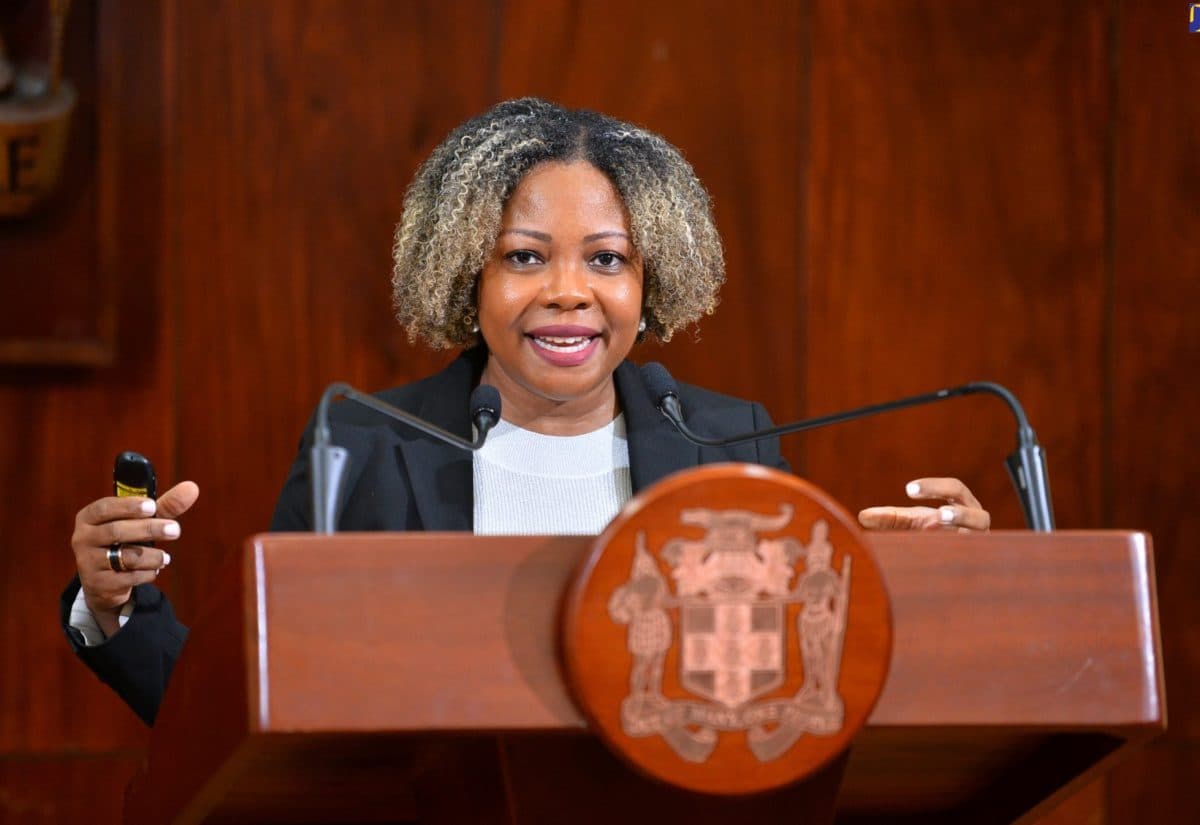
The Jamaican government is continuing its mission to bolster skill development within the labour force, as highlighted by Senator Dr. the Hon. Dana Morris Dixon, Minister without Portfolio overseeing Skills and Digital Transformation.
Recognizing a gap between existing skills and those required, particularly in sectors pivotal to modern manufacturing, the administration is implementing strategies to bridge this divide.
Filling the skills gap
A significant portion of employees in the manufacturing industry lack the skills to advance their careers, resulting in delayed production, increased costs, and reduced competitiveness on the global stage.
Senator Morris Dixon, speaking at the Manufacture 360° conference at the AC Hotel in St. Andrew, emphasized the importance of addressing these skill shortages through new initiatives.
Strategic initiatives launched
Among the measures undertaken by the government are:
- HEART/NSTA Trust support: Removal of tuition and administrative fees for HEART/NSTA Trust programs up to level four.
- Integrating cutting-edge technologies: Introduction of robotics, mechatronics, 3D printing, and optoelectronics into HEART/NSTA Trust curricula.
- Industry partnerships: Collaboration with sector players to tailor programs to specific industry needs.
These initiatives aim to modernize the skills of the workforce, enabling Jamaicans to capitalize on technological advancements in manufacturing.
Tailored training programs
Understanding the importance of relevant training, Senator Morris Dixon emphasized collaboration with industry players to create programs that meet specific needs.
With support from the Inter-American Development Bank (IDB), the government is establishing a framework that will involve the manufacturing sector more deeply in curriculum development through its sector skills council.
Manufacturing sector’s economic impact
The manufacturing sector plays a vital role in Jamaica’s socio-economic landscape, contributing to nine percent of the total GDP.
It is the largest industry among goods-producing sectors and the sixth largest industry overall.
The sector’s export performance has also improved significantly, with manufacturing exports rising from 30 percent to 70.3 percent of total exports in 2022.
Tackling emerging challenges
Despite recent growth, challenges such as adapting to new technologies and addressing the emerging skills gap threaten the sector’s continued expansion.
Senator Morris Dixon reiterated the government’s commitment to ensuring a skilled workforce for the industry’s growth.
Productivity concerns
Minister of Industry, Investment, and Commerce, Senator the Hon. Aubyn Hill, urged manufacturers to increase productivity to remain competitive in international markets.
Noting the country’s low productivity levels, he emphasized the importance of improvement.
JMEA’s role in economic development
The Jamaica Manufacturers and Exporters Association (JMEA), led by President Sydney Thwaites, plays a crucial role in supporting the economy and improving the lives of many.
The Association’s initiatives align with government strategies to enhance workforce skills and productivity.