IMF warns Middle East conflict to drive higher inflation across CARICOM

The International Monetary Fund (IMF) has projected mixed economic performance across the Caribbean Community (Caricom) over the next two years, with growth expected to range widely between tourism-dependent states and commodity exporters.
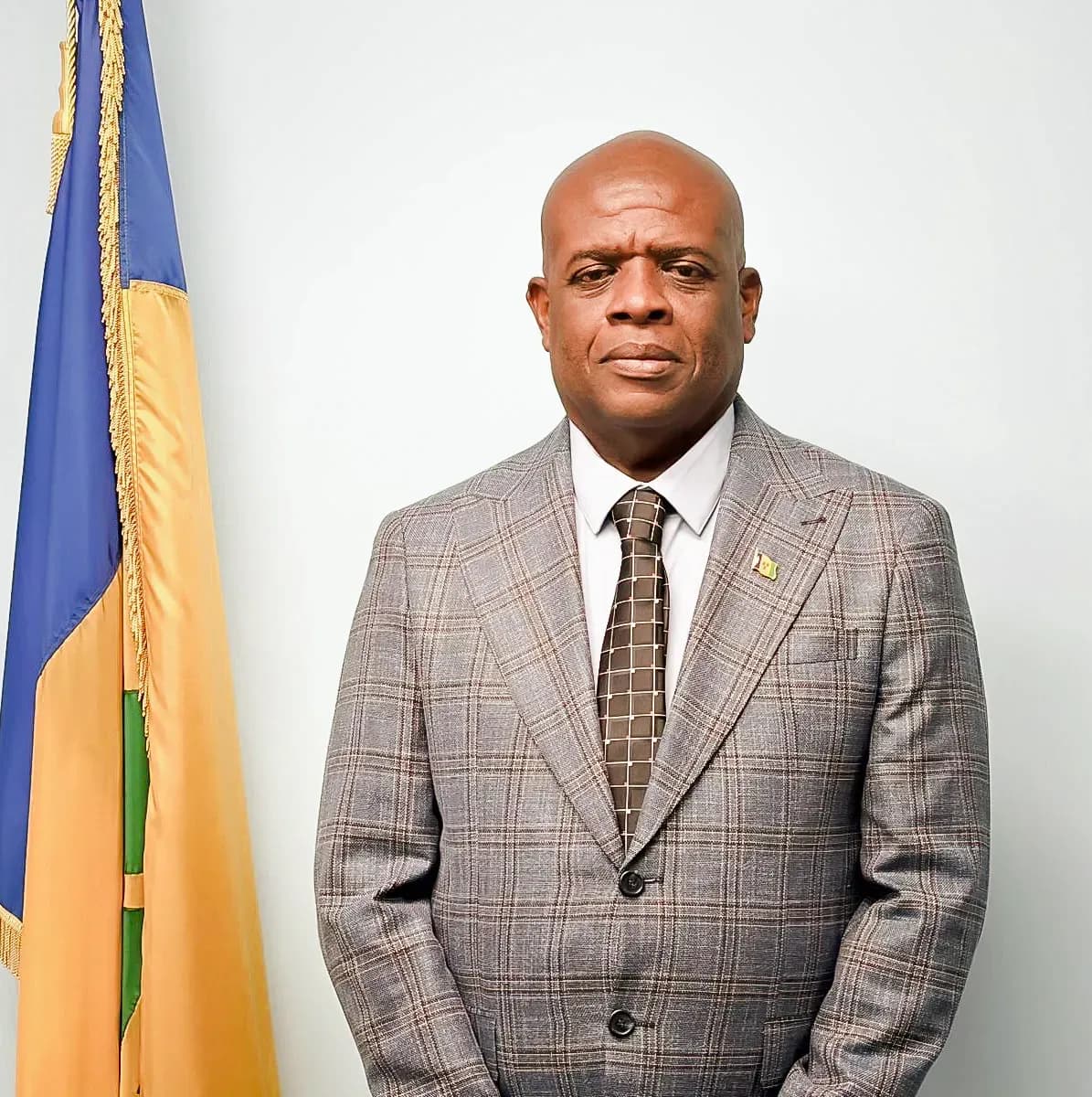
Speaking on Friday, Nigel Clarke, Director of the IMF’s Western Hemisphere Department, said Caricom economies will see uneven growth outcomes, with projections spanning from 3.1 per cent among tourism-dependent countries to 19.1 per cent among commodity exporters.
He said the ongoing conflict in the Middle East will have “unambiguously negative economic impacts for both economic activity and the population,” noting that tourism-driven economies are likely to be among the most affected due to high debt levels and heavy reliance on imported energy.
“The tourism-dependent Caribbean economies are likely to be the hardest hit,” Clarke said, adding that net energy imports in these states average around 6 per cent of GDP.
Regional outlook
According to IMF projections, the Caribbean region as a whole is expected to record average growth of 5.7 per cent in 2026 and 8.6 per cent in 2027.
Tourism-dependent Caribbean economies are forecast to grow by 0.9 per cent in 2026 and 2.5 per cent in 2027. Non-tourism-dependent economies are expected to perform more strongly, with growth projected at 7.9 per cent and 11.3 per cent over the same period.
Among tourism-dependent states:
- Jamaica is projected to contract by 1.2 per cent this year, before growing 3.1 per cent in 2027
- Grenada is also expected to follow a similar trajectory
- Antigua and Barbuda: 2.6 per cent in 2026 and 2.4 per cent in 2027
- The Bahamas: 2.1 per cent in 2026, falling to 1.9 per cent in 2027
- Barbados: 2.5 per cent and 2.2 per cent
- Belize: 2.2 per cent and 2.1 per cent
- Dominica: 3.1 per cent and 2.8 per cent
- St Kitts and Nevis: 2.0 per cent rising to 2.5 per cent
- Saint Lucia: 2.0 per cent falling to 1.7 per cent
- St Vincent and the Grenadines: 3.0 per cent declining to 2.7 per cent
Commodity-exporting economies are expected to outperform:
- Guyana: 16.2 per cent in 2026, rising to 19.7 per cent in 2027
- Suriname: 3.9 per cent increasing to 4.4 per cent
- Trinidad and Tobago: 0.8 per cent rising to 3.0 per cent
- Haiti: -1.7 per cent improving to 0.5 per cent
Global pressures and inflation risks
Clarke said the Western Hemisphere began 2026 on relatively stable footing, with growth near potential in many countries and inflation close to targets. However, he warned that the Middle East conflict has introduced fresh risks through energy price shocks, capital flow shifts and heightened investor uncertainty.
“Countries are being affected by shifts in global financial conditions and capital flows, by swings in investor risk aversion, and by volatile commodity prices,” he said.
He noted that oil-producing countries including Argentina, Brazil, Canada, Colombia, Ecuador, Guyana, Trinidad and Tobago, the United States and Venezuela may benefit from higher energy prices, which could strengthen trade balances and fiscal positions.
However, he cautioned that vulnerable populations even in those countries would still face rising food and fuel costs.
Inflation pressure expected across the region
The IMF warned that inflation pressures will be broad-based across the region, affecting fuel, transport, food and other essential goods.
“Inflation will be higher for all,” Clarke said, adding that the situation will increase hardship for lower-income households.
He described the current environment as a renewed and unpredictable challenge for a region still recovering from the effects of the COVID-19 pandemic.
Clarke also stressed the importance of strong macroeconomic frameworks, saying countries with credible fiscal policies, low debt and anchored inflation expectations are better positioned to manage shocks.
He encouraged governments with fiscal space to use it carefully, while advising energy exporters with limited reserves or high debt to save windfall gains.
Policy advice and IMF support
Clarke said central banks across the region will once again be required to prioritise price stability, noting that some institutions will face greater difficulty due to weaker monetary frameworks.
He also urged governments to resist political pressure to delay necessary adjustments to food and fuel prices, and to protect social safety nets where possible.
“Given high debt levels, the region has little scope to further increase fiscal deficits,” he said, adding that governments should focus on targeted support for vulnerable groups.
He concluded that the IMF stands ready to support member countries through policy advice, knowledge-sharing and lending where necessary.