IMF chief concerned that low-income countries slip further behind
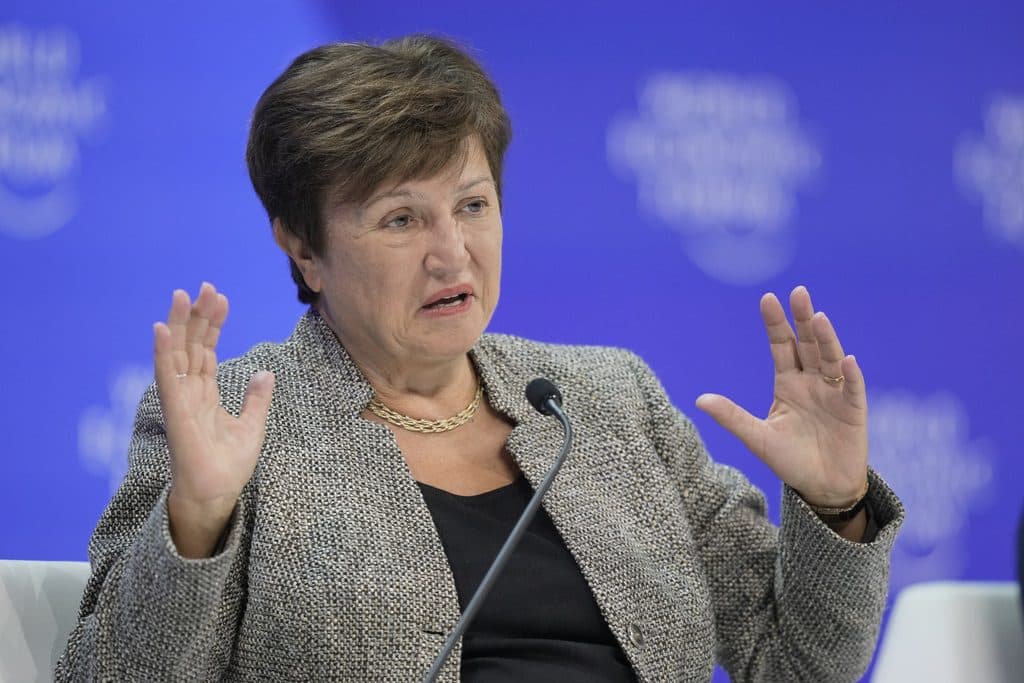
During an IMF-sponsored training program on financial reporting, Managing Director Kristalina Georgieva shared her apprehension regarding the widening gap between low-income countries and their wealthier counterparts in an increasingly fractured global landscape.
Georgieva highlighted the troubling reversal in the trend of convergence, emphasizing the imperative need for economic cooperation amidst growing fragmentation.
Global economic challenges
Georgieva underscored the tumultuous nature of recent global events, citing the compounding effects of the pandemic, the Ukraine conflict, soaring living costs, and regional conflicts like the Israeli-Gaza dispute.
These events have significantly muddled economic forecasts, posing challenges for individuals trying to navigate an uncertain world.
Resilience amid uncertainty
Despite the prevailing uncertainty, Georgieva commended the resilience of the global economy. Projections indicate a modest uptick in global growth, albeit remaining around 3.2 per cent for the foreseeable future.
Additionally, she noted a slight easing of inflationary pressures, although the issue remains pertinent, especially for vulnerable populations.
Weak growth trajectory
Georgieva soberly acknowledged the tepid growth trajectory, emphasizing its historical weakness compared to pre-pandemic levels.
This sluggish pace of growth is anticipated to persist over the next five years, making it challenging for many to attain higher living standards.
Economic disparities
A critical concern highlighted by Georgieva is the widening economic disparities, both within and among countries. While the United States showcases robust economic performance, the Eurozone lags behind.
Similarly, while certain emerging economies like India and Indonesia thrive, others grapple with economic hardships.
Particularly concerning are low-income countries, collectively slipping further behind in economic progress.
The IMF’s role in a fragmented world
Georgieva reiterated the pivotal role of the IMF in fostering global cohesion and providing impartial economic analysis to member states.
She emphasized the importance of equitable treatment, especially amidst the current fragmented global landscape, underscoring the IMF’s commitment to navigating the evolving economic terrain with objectivity and fairness.