Rising sea levels, frequent tectonic shifts, longer hurricane seasons, hotter summers, and colder winters are all signs of our planet in crisis. Jamaican environmental scientist, Rachel D’Silva, has made it her life’s mission to advocate for the environment – empowering and inspiring her community to do what they can to contribute to change.

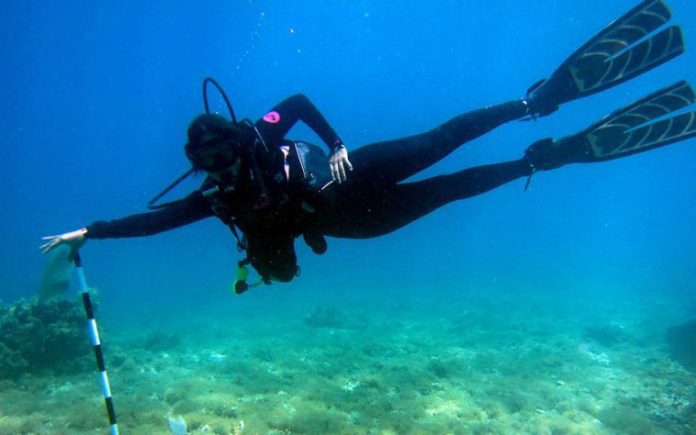
 D’Silva has felt a duty to the environment since she was young. She grew up having a deep love for animals and the environment, and became a scuba diver at the age of 15. Today, as a lead at one of Jamaica’s top environmental consultant agencies, CL Environmental, she prepares environmental impact assessments, among many other critical tasks, guiding management and sustainable development in Jamaica.
When asked how we can all contribute to the betterment of our environment in 2023, D’Silva’s response is simple. “The ultimate responsibility lies within each of us as individuals. It’s our job to persevere and heal the planet. I really do believe in the notion of ‘One Love. One Planet’,” D’Silva affirms.

Here she provides practical advice on how each of us can do our part.
Reduce, Reuse, and Recycle
The three Rs – Reduce, Reuse, Recycle – are about finding ways to help the environment without radically changing your life, D’Silva explains.
“Recycling should be the last of the three Rs. We should all be aiming to use less, reuse what we can, and then recycle where possible,” she says.
Reduction, on the other hand, is key, D’Silva notes. Cutting down on our use of plastic is the most important step, she says – it makes the other Rs easier. She suggests opting for paper or cardboard containers, where possible. Also, a good way to use less plastic is to reuse it. “That can mean reusing takeout containers as lunch plates, or spending a bit more upfront to have a reusable metal or insulated water bottle.”
D’Silva also explains that while recycling is important, it might not be feasible in your area. For many developing countries, such as Jamaica and its Caribbean neighbors, recycling can be expensive and energy inefficient. “If you follow the principles of Reduce and Reuse, then there’s less to recycle,” she says.
Planting Trees
D’Silva explains that plant life is some of the most important organisms on the planet. “Trees and reforestation play an essential role in climate resilience and other ecosystem services, and overall human health and well-being,” she outlines. Tree-planting is easy and affordable, which is why D’Silva urges us to plant trees as often as we can in order to add to the regeneration of the Earth’s plant life. She also notes that some governments, like Jamaica’s Forestry Department, provide free tree seedlings.

Composting
Her final suggestion is composting. Composting is an ancient tradition that reintroduces nutrients into the soil. Organic waste – think vegetable peels, fruit trash, leaves, etc. – are churned into the soil and left to decompose. It’s often referred to as “black gold” by farmers for how beneficial to the soil it is. “Composting is an easy way to adhere to the three Rs while contributing to sustainable farming even on a small, personal scale,” D’Silva explains.