


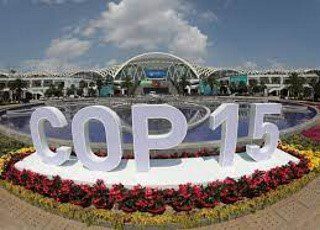
Caribbean Community (CARICOM) delegations are heading to Canada for the 15th Conference of the Parties United Nations Convention on Biological Diversity (UNCBD) (COP15) intended to create targets on biodiversity for the next decade.
The Conference, from December 7 to 19, will be held under the Presidency of China. Importantly, the post-2020 Global Biodiversity Framework (GBF) is expected to be adopted during this second phase of the conference.
The Guyana-based CARICOM Secretariat said over the last six months, it has under the Multilateral Environmental Agreements (ACP MEAs) Phase III Project worked with the Caribbean Biodiversity Focal Points and other partners to prepare for effective participation in the negotiations and other priorities under the Convention.

It said the ACP MEAs Project is an initiative of the Organisation of African, Caribbean and Pacific States (OAPCS) funded by the European Union.
Biodiversity is the foundation of the global economy. More than half of global gross domestic product (GDP), equal to US$41.7 trillion, is dependent on the healthy functioning of the natural world, the Secretariat said, noting that 95 percent of the food eaten is produced in the soil, yet up to 40 percent of the world’s land is severely degraded by unsustainable agricultural practices.
“Eighteen percent of total GDP for most CARICOM countries comes from agriculture. Our current reality sets a challenge before us that are well known as we continue to grapple with our economic, social, and environmental vulnerabilities.
“It is timely as a Community that we re-examine our relationship with nature recognizing that, despite all our advances we will always remain dependent on healthy and vibrant ecosystems for our water, food, medicines, clothes, fuel, shelter and energy.”
The Secretariat notes that international conflict continues to exacerbate the existing food, energy, climate and finance crisis, adding “here in the Caribbean, we are feeling the consequences of this conflict, deriving even more urgency in our actions to be more food and energy secure in a way that is in harmony with the Caribbean’s unique biodiversity”.
The CARICOM Secretariat said it used this year’s COP15 as an optimal opportunity to promote an urgency of action at the highest levels, in support of a post-2020 biodiversity framework that will contribute to the re-shaping of the region’s vision for biodiversity.

CMC/







)