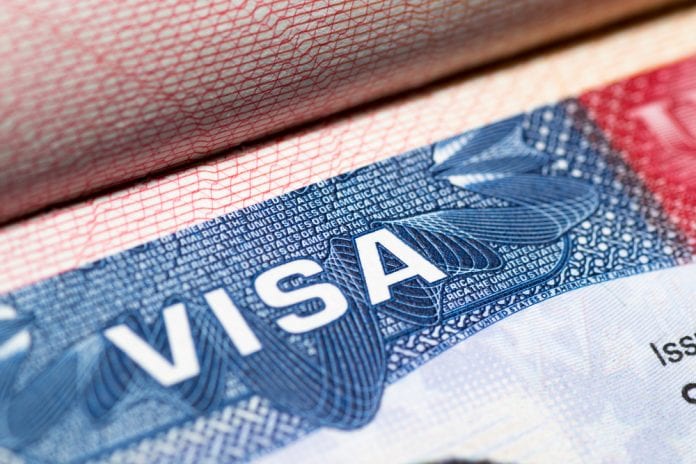
The State Department in the United States is now requiring nearly all applicants for US visas to submit their social media usernames, previous e-mail addresses, and phone numbers.
The new policy, which took effect on May 31, will give the US government access to photos, locations, posts, milestones and other personal information commonly shared on social media. “We already request certain contact information, travel history, family member information, and previous addresses from all visa applicants,” the State Department said in a statement. “We are constantly working to find mechanisms to improve our screening processes to protect U.S. citizens, while supporting legitimate travel to the United States.”
The change, which was initially proposed in March 2018, is expected to affect about 15 million foreigners who apply for visas to enter the United States each year.
“National security is our top priority when adjudicating visa applications, and every prospective traveller and immigrant to the United States undergoes extensive security screening,” the department said.
Social media, e-mail and phone number histories had only been sought in the past from applicants who were identified for extra scrutiny, such as people who’d travelled to areas controlled by terrorist organizations. An estimated 65,000 applicants per year had fallen into that category.
The department says collecting the additional information from more applicants “will strengthen our process for vetting these applicants and confirming their identity”.
The new visa application forms list a number of social media platforms and require the applicant to provide any account names they may have had on them over the previous five years. They also give applicants the option to volunteer information about social media accounts on platforms not listed on the form.
In addition to their social media histories, visa applicants are now asked for five years of previously used telephone numbers, e-mail addresses, international travel and deportation status, as well as whether any family members have been involved in terrorist activities. Only applicants for certain diplomatic and official visa types are exempted from the requirements.
Since the announcement of the new policy, many political activists have voiced their concerns as it relates to the privacy of US visa applicants. “This is a dangerous and problematic proposal, which does nothing to protect security concerns but raises significant privacy concerns and First Amendment issues for citizens and immigrants,” Hina Shamsi, the director of the American Civil Liberties Union’s National Security Project, said. “Research shows that this kind of monitoring has chilling effects, meaning that people are less likely to speak freely and connect with each other in online communities that are now essential to modern life.”
Many Caribbean nationals have also voiced their concerns, fearing that this new policy will further hinder their chances of being able to enter the United States.