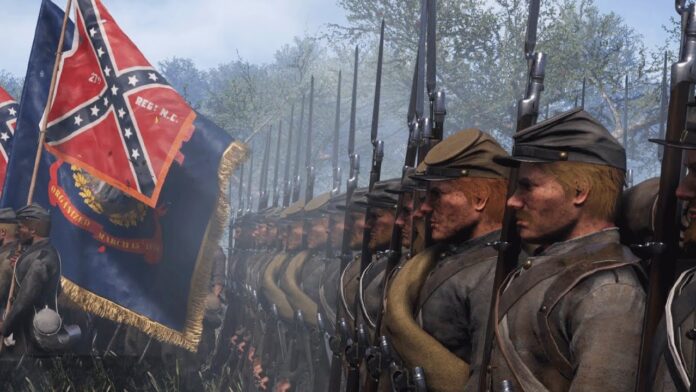
Few eras have commanded the attention of history buffs and casual players as civil war games. These games provide users with interactive storytelling and strategic challenges based on historical events. When we place value on accuracy and immersion, that only adds appeal. In this post, I examine what successfully bridges a gap between the qualities that made a civil war game historically engaging in the time that it took place and the modern levels of deadly, brutal realism that a broader audience has to experience through gaming.

Attention to Authentic Detail
Attention to detail is key for historical immersion. Developers achieve a believable suspension of disbelief by incorporating accurate uniforms and weapons, along with realistic-sounding period dialogue. Players pick up on little details, like the right patches of rank or regional accent, that create an atmosphere of time travel. When the design is consistent, this illusion can live on during the overall experience. Gamers seeking the best historical Civil War PC games to play today often discover how authentic battle mechanics bring history to life.
Representation of Real Events
However, a number of popular Civil War games depict famous battles and key events. Users get to recreate big events, allowing them to understand the important historical context behind the actions and what is on the line. Many of these games feature timelines or context menus that can be opened to provide the player with extra information, for example, when someone is interested in learning more. That layer of education builds onto the fun without weighing users down with facts.

Strategic Depth and Decision-Making
The best civil war games provide users with difficult, yet non-historical, decisions to have to make and the ability to create new content with these starting points. The questions of strategic planning, allocating resources, and tactical moves echo the decisions made by leaders at the table throughout history. The abstract nature of real-life military campaigns is reflected in games that offer multiple solutions or allow for different paths; such breakthroughs and approaches are inherently uncertain. This method promotes critical analysis and inspires curiosity about how history might have unfolded differently.
Balanced Historical Accuracy and Entertainment
In terms of accuracy, it is important, but still, the balance in the middle of history and entertainment is the key. Users retain interest in games that are historically accurate with some level of creative license. Some scenarios can stretch events to create a more enjoyable game experience. Of course, the finest experiences both honor the original material and make traversing history a lively and enjoyable experience.
Immersive Storytelling and Character Development
The narrative drives the users to engage with the age closer to understanding. There are many original characters or real historical figures that oftentimes you will see in Civil War games. Savvy stories with emotional arcs lead to empathy/investment. Encouraging users to put themselves in different shoes enhances comprehension and personalizes history.
Dynamic Battlefields and Realistic Environments
One of the most potent aspects of immersing the user in the environment is that this environment serves as an entry point to the overall experience. Realistic terrain, weather conditions, and destructible structures enhance the experience. In dynamic battlefields, the outcome shifts based on player decisions, serving to reinforce the chaos of war. These factors help to ensure that every session is different and unforgettable.
Sound Design and Musical Score
The audio design is one of the main factors that adds depth to the immersion of a game. Realistic sound effects, from musket discharge to the footfalls of marching boots or cannon fire in the distance, help to establish the time period. Scoring that sounds like it stepped right out of the period heightens the tension and emotion. These elements work in synergy to immerse users in the center of the action.
Educational Value
Civil War games are like little interactive history lessons. Background content, such as biographies or in-depth maps, supplements various titles. Such elements prompt further investigation and questions about the time. It combines entertainment and education in a way where you know the game has done well if a user leaves the session with a new piece of knowledge.

Conclusion
With their historical accuracy, strategic nuance, and gripping narrative, civil war games wow players. To create experiences that are memorable and informative, these factors must work in unison. By choosing the subject matter, the design elements, and everything in between, developers give users the opportunity to explore history in a significant way. The timeless attraction of civil war games is a window to the past, a pleasant challenge, and a bit of knowledge. By playing interactively with history, kids will love the past, and stories of bygone days will live on in the experiences of the new generation.