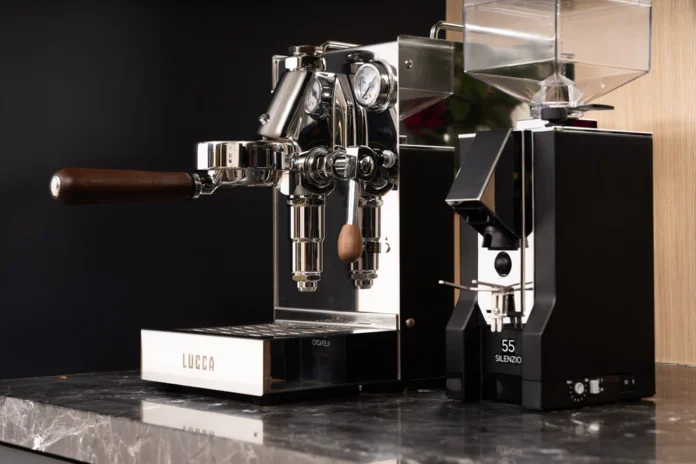
The aroma and taste of fresh espresso waft through the air, tickling the senses. The grinder is an integral part of this experience. For many coffee enthusiasts, grinders are the hidden drivers of their beverage. Openness to how grind settings and grinder types influence espresso can help anyone enjoy a more idiomatic beverage.

The Importance of Consistent Grinding
A consistent grind size leads to even extraction in your coffee. If you grind inconsistently, the fine particles will be over-extracted and the larger ones insufficiently extracted. This imbalance impacts both taste and mouthfeel. Level grounds encourage consistent water flow through the coffee, producing an even blend of flavors. A consistent grind allows baristas and hobbyists alike the ability to replicate results every time. Coffee lovers exploring a coffee grinder espresso machine often discover how grind consistency directly impacts flavor and extraction.
Impact on Flavor Profiles
How water interacts with the coffee grounds depends on the grind size. A finer grind has a larger surface area, which means the flavors will be released faster. When the particles are coarser, it slows down the extraction, resulting in lighter taste notes. An ideal environment accentuates the natural sweetness, acidity, and body of the bean. The espresso can also taste bitter or have a sour aftertaste if the settings are incorrect, making the espresso less desirable. Going through the grind adjustments can show the full range of flavors in the same bean

Influence on Texture and Mouthfeel
Texture is how an espresso saturates the tongue. The precision of the grinder directly influences this. A finer grind produces a thicker crema and silky body. You get a less viscous and airier mouthfeel with coarser grounds. A well-balanced texture adds to the overall sensation while drinking espresso. This is why many coffee shops use high-quality grinders to consistently achieve the desired mouthfeel.
Extraction: Balancing Strength and Sweetness
Extraction is the dissolution of desirable coffee compounds in water. Grinder size and consistency are important for proper extraction. If the coffee is ground too fine, it can be over-extracted, causing bitterness and astringency. A coarser grind could result in flavors that are weak and underdeveloped. With some practice in tuning the grinder, you can twiddle the buttons until you have control over the extraction. If done correctly, it creates a strong, sweet, complex cup.
One of the Differences That Exists Between Burr and Blade Grinders
The effect varies depending on the type of grinder. More serious coffee fans usually tout burr grinders, which crush beans between two abrasive surfaces instead of chopping them. Using this methodology, you can standardize your size, which will give you more control over extraction. According to the narration of Blade, grinders chop beans unevenly, resulting in fine dust and large chunks. Blade grinders lack precision: they chop the beans into an uneven jumble of sizes, leading to unpredictable flavor and texture. Burr grinders are also more reliable, and if you value quality espresso, you would be leaning towards this option.
Freshness and Aroma Preservation
Coffee beans that are ground just before brewing maintain the volatiles released by the roasting process. Because it tends to be exposed to air, pre-ground coffee loses its flavor rapidly. The grinder plays a crucial role in preserving the delicate notes of coffee, releasing them just at the right moment. This process fills out the cup with the maximum aromatic impact. Freshly ground beans are essential for a lively and inviting espresso experience.
Maintenance and Its Effects
Keeping a clean grinder aids in flavor clarity. Old coffee’s stale or bitter flavors come through in the new brews. Regular cleaning keeps oil from stacking up and helps the grinder work without a hitch. Routine cleansing maintains the true personality in every single coffee bean. Invest time in maintaining your superior qualities; you will reap their benefits consistently.
Adjusting for Bean Differences
Not every coffee bean variety reacts the same way to grinding. Generally, lighter roasts need a finer setting, whereas darker roasts need a coarser one. Setting the grinder for each batch enhances the specific characteristics of the bean. Such a practice accentuates the nuances and uniqueness factors. Noticing that different origins or roasts require different grind settings is an extremely respectful way to appreciate the coffee.

Conclusion
An espresso grinder affects every dimension of the cup, from flavor to The composition and the form of extraction is significantly influenced by the espresso grinder. Attention to the size, consistency, and maintenance of the grinder takes the process to the next level in terms of espresso. Selecting the right grinder and carefully adjusting it enables coffee enthusiasts to fully enjoy each cup. Remembering these little things opens a new layer of complexity (and love) to espresso.