



Barbados has confirmed its first human case of West Nile Virus (WNV).

The World Health Organization (WHO) reported that a child under 15, tested positive for the virus last month and is currently recovering under medical care.
In a post on its Disease Outbreak News on Thursday, the WHO assured that the overall public health risk remains “low.” Based on the available information, the WHO has not issued any travel or trade restrictions for Barbados.

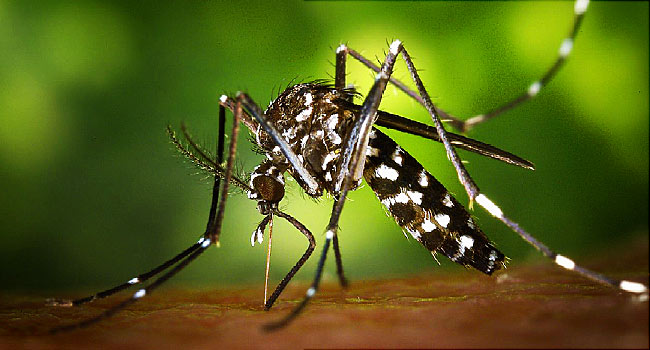
West Nile Virus (WNV) is a mosquito-borne virus that can cause illness in humans, horses, and birds. It is transmitted to humans through the bite of an infected mosquito and can lead to sickness or, in severe cases, death.
The WHO stated, “This is the first human case of WNV infection detected in Barbados. Additionally, no infections have been previously documented in birds or horses in this country, making this case both unusual and unexpected.”
Despite this, the overall impact on public health remains limited at this stage, as there is currently only one recorded human case and appropriate public health response measures have been implemented. WHO considers the current risk from WNV as low but will continue to evaluate the epidemiological situation in Barbados.”
According to the post, the International Health Regulations (IHR) National Focal Point (NFP) for Barbados notified WHO on September 13 of the confirmed infection.
It is reported that the visited a horse stable in February and a beach often frequented by horses on June 8, just two days before the onset of symptoms.
“Although these exposures to horses were considered risk factors for WNV infection, the exact source of infection remains unclear,” the WHO stated. “No other suspected cases of WNV have been identified, but public health authorities are continuing to monitor the situation closely.”

The WHO also noted, “The risk of international spread of WNV from Barbados is low. The virus is mainly transmitted through mosquito bites, with birds as the natural hosts. There is no evidence suggesting that WNV spreads easily between humans or from horses to mosquitoes, so the potential for widespread international transmission remains low.”
Symptoms of WNV include fever, headache, body aches, vomiting, diarrhea, and rash. There are no vaccines or treatments available for West Nile Virus in humans.












.The World Health Organization (WHO) reported that a child)