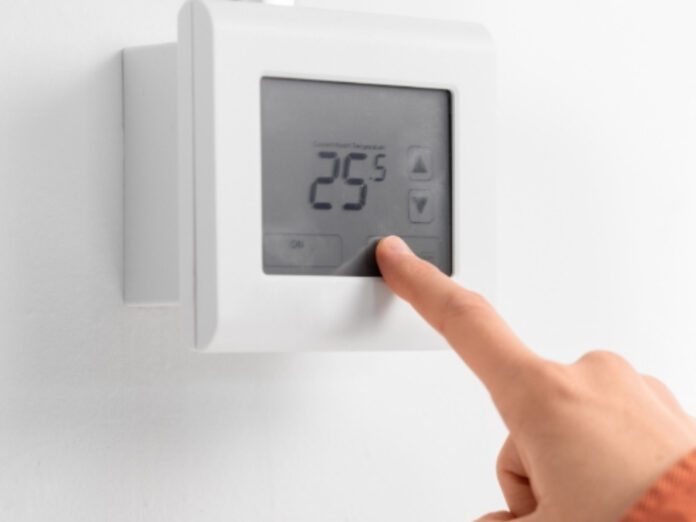
Have you ever walked into your home and felt like you stepped into an oven? Or maybe you’ve woken up shivering in the middle of the night? These sudden temperature extremes might be signs that your thermostat needs a reset. Uncomfortable temperatures, wasted energy, and system inefficiencies can disrupt daily life.

Whether you’re dealing with a stubborn AC or a heater that won’t quit, understanding when and how to reset your thermostat can save time, money, and discomfort, ensuring a consistently comfortable and energy-efficient living space.
Why is Your Thermostat Important?
Think of your thermostat as the brain of your heating and cooling system. It tells your AC or heater when to turn on and off to keep your home comfortable. Here is why your thermostat is important:

- It controls the temperature in your home
- It helps save energy and money on your bills
- It keeps you comfortable all year round
- It protects your heating and cooling system
A properly working thermostat doesn’t just keep you comfortable; it can also help save energy and lower your bills.
5 Common Issues That Require a Thermostat Reset
Resetting a thermostat is like giving it a fresh start. It’s similar to when you restart your computer or phone when it’s not working right. When you reset your thermostat, you’re telling it to forget any problems it might have and start over.
If you live in Tampa, Florida, and you’re unsure of the reset process, check out this guide on how to reset thermostat from thecomfortauthority.com to ensure that you’re doing it right and not causing any damage to your system. This can often fix small issues and get your thermostat working properly again.
Here are the five common issues that might mean you need to reset your thermostat:
1. Your Thermostat Screen is Blank
If your thermostat screen goes dark, displaying nothing despite being turned on, it’s likely due to one of three common issues: dead batteries, wiring problems, or a thermostat glitch. This sudden loss of display can be disorienting, making it difficult to regulate your home’s temperature. Fortunately, identifying and addressing the root cause can quickly restore functionality.
How Resetting Helps:
Resetting the thermostat can often wake up the screen. It’s like giving it a little nudge to say, “Hey, wake up! It’s time to work!”

2. Your Home Isn’t Reaching the Right Temperature
If your home’s temperature doesn’t match your thermostat’s set point – feeling too hot or cold despite being set to 72 degrees – it may indicate a thermostat accuracy issue. This can occur when the thermostat is accidentally bumped or moved, experiences a power outage, or struggles to adapt to sudden seasonal changes, leading to incorrect temperature readings and discomfort.
Possible causes include faulty communication between the thermostat and your HVAC system, programming errors, or mode confusion – where the thermostat mistakenly remains in cooling mode when heating is needed, or vice versa. Resolving this issue is important for restoring optimal heating and cooling performance, and enrolling in the best HVAC schools by state can provide the training needed to diagnose and fix such problems effectively.
How Resetting Helps:
Resetting helps the thermostat forget the wrong temperature and start measuring correctly again.
3. Your Heating or Cooling System Won’t Turn On
If your thermostat clicks, but your heating or cooling system doesn’t respond, it may indicate a connectivity or configuration problem. Possible causes include faulty communication between the thermostat and your HVAC system, programming errors, or mode confusion – where the thermostat mistakenly remains in cooling mode when heating is needed, or vice versa. Resolving this issue is important for restoring optimal heating and cooling performance.
How Resetting Helps:
A reset can help your thermostat and your heating or cooling system start talking to each other again. It’s like restarting a conversation that got interrupted.
4. Your Energy Bills Are Higher Than Normal
If your energy bills are higher than usual, despite no changes in heating or cooling usage, your thermostat might be the culprit. This can happen if your thermostat is reading temperatures incorrectly, turning your system on and off too often, or not following your scheduled settings, leading to unnecessary energy waste and increased costs.
How Resetting Helps:
Resetting can help your thermostat get back to working efficiently, which can help lower your energy bills.
5. Your Thermostat is Making Strange Noises
If your thermostat is making unusual noises, such as clicking or beeping, it’s likely a sign of trouble. This could be due to a loose wire, issues with system startup/shutdown, or programming glitches, requiring attention to prevent potential heating or cooling disruptions.
How Resetting Helps:
A reset can often stop these strange noises by fixing small glitches in the thermostat’s system.
The Benefits of Modern Thermostats
If you find yourself having to reset your thermostat often, it might be time for an upgrade. Newer thermostats have some cool features:
- They can learn your schedule and adjust temperatures automatically
- You can control them with your phone
- They can tell you when it’s time for maintenance
- Some can even detect when you’re home or away and adjust accordingly
While these thermostats might cost more upfront, they can save you money over time by using energy more efficiently.
Conclusion
A thermostat reset can resolve common issues, ensuring efficient heating and cooling. By understanding these issues and knowing how to reset your thermostat, you’ll save time, money, and frustration.
If you’re ever unsure about what to do with your thermostat, don’t hesitate to ask for help from a professional. They have the knowledge and tools to make sure your home stays comfortable all year round!