Black History Month (African American History Month) is celebrated in February because it coincides with the birthday of two significant figures in America’s history.
First, Abraham Lincoln, former President of the United States, was born on February 12th, and Frederick Douglass, a former enslaved African American, chose February 14th as his birthday. Mr. Douglas was a social reformer, abolitionist, orator, writer, and statesman who ran away from enslavement and fought for equality and justice for all people. He did not know his actual birthdate. Black History Month was built on Black History Week, which was started in the second week of February in 1926. Black communities have celebrated both persons’ birthdays since the late 19th century.
Like Lincoln and Douglas, Reggae Month, celebrated in Jamaica, is recognized in February to acknowledge the birthdays, the life, and works of Dennis Emanuel Brown on February 1st and Robert Nesta “Bob” Marley on February 6th. Both individuals are significant figures in the history of Jamaican music, Bob from inception and Dennis, a childhood phenomenon.

Dennis Brown recorded his first single (a Rocksteady song) as a child, age 12. However, Bob Marley with Bunny Livingston and Peter McIntosh (Tosh), then known as the Wailing Wailers, recorded tracks in the era of Ska, Reggae Love Songs, and Rocksteady, the origins of what we now know as Reggae music.
The government of Jamaica officially announced the Month of February as Reggae Month on January 9th, 2009, and the Proclamation read by Sir Keith Hall on January 24th, the same year, to acknowledge the reggae genre as endemically Jamaican and the impact and contribution the music made to Jamaica and the rest of the world. Many activities are planned each year as part of the celebration of Reggae Month, including tributes to various original creators of the different types of Jamaican music: Ska, Rocksteady, lovers-rock, and dancehall.
Almost daily, during February, Jamaica, the Diaspora, and the world are entertained by televised and social media, live and recorded performances, panel discussions, and interviews depicting this central part of our culture each night. There are missing pieces.

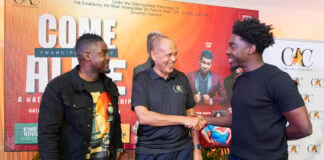
However, that could be highlighted, streamlined, and captured to retain the foundation from which our music is derived. But the JCDC does a beautiful job capturing most. Dr. Sylvanus Thompson remarked, “I watched the Bob Marley celebration at Emancipation Park this year and was impressed with the production. I found the event extraordinarily reminiscent and relaxing. Given Bob’s international reach, it was great that they included Exco Levi from Canada and an African artist to perform on the show.”
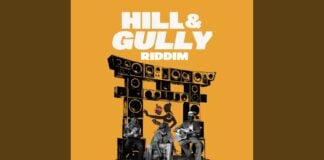
It is a good time in history when we can bring Jamaica’s musical journey together for the world to see. Jamaican musical history is culturally rich and exciting, with all kinds of Jamaican music for everyone, as far back as Mento from the 1830s with Lord Flea, Count Lasher, Stanley and the Turbines, Lord Tanamo, Lord Messam and his Calypsonians, Count Owen and his Calypsonians, Lord Composer, Harry Belafonte and more. Mento was popular in the hotel industry, entertaining tourists on the beaches from the 1930s as live entertainment showcasing the banjo, rumba box, Goady shakers, and cast aluminum lap steel guitar electric guitar, sometimes with a steel pan. Popular mento songs include Hill and Gully Ride, Matilda, Take Her to Jamaica, Yellow Bird, and Linstead Market.
Ska music entered Jamaica as it became apparent that independence from Britain was imminent. The country wanted a more upbeat type of music representing freedom from colonialism. It got Derrick Morgan, Skatalites, Prince Buster, Desmond Dekker and the Aces, The Wailing Wailers, the Maytals, Lauren Aitkins, and many more artists. The sound was made famous by big bands led by Don Drummond, Roland Alphonso, Dizzy Johnny Moore, Tommy McCook, Lester Sterling, Jackie Mittoo, Lloyd Brevette, Jah Jerry, and Lloyd Knibbs, who developed Ska Riddim’s instruments with names such as “Man in the Street” Guns of Navarone” and more.

Ska was high tempo and high pitched, with a tremendous horn section. A few dance moves paralleled the Ska era that mirrored Swing, Cha Cha, and Twists in the USA: Wash, snap-fall, and Scatter leg.
R&B and Pop’s influence on Jamaican music
American Rhythm & Blues and Pop music greatly influenced Jamaican music as Jamaican love songs also made it big on the island. Old school lover-man, lover-boy, sweet-boy, and their speedos (girlfriends) three-stepped their nights away. The Maytals’ song “Daddy,” the wailing wailers “It Hurts to Be Alone,” and Byron Lee’s “Empty Chair are a few love songs that were popular love songs that made the dance culture famous.
We could dig deeper to extract more of the origin of the music. Much of the type of music needs to be added to what is captured and shown to us during the Reggae Month. Dr. Beverly Fray, an avid lover of early reggae music, agreed, “I have always been a fan of Reggae Month. However, this year, so far, I’ve been underwhelmed. The reason is that many of the interviews and performances have been repeated from previous years. Despite that, I would not miss nightly activities at all.” There is so much more to capture.
In 1966, the Jamaica Festival Song competition started to celebrate the island’s history and culture, with one song being named the winner on Independence Day. The first winner was Toots and the Maytals with “Bam Bam.” Other famous and subsequent winners include Eric Donaldson, Roy Rayon, Tonga Stewart, the Jamaicans, and Stanley Beckford.
The roots and culture era is also a forgotten favorite in Jamaica Music; the music of culture with Joseph Hill, Peter Tosh, Burning Spear, Coco T, the Ethiopians, and the Rastafarian and Niyabinghi Chants. These were rootsy music depicting some of the hardships in Jamaica or the rastaman’s religious beliefs and practices. Missing alongside this are the specials popularly recorded on dubplates. The actual dancehall created a culture of competition using special dubs, initially drum-and-base, but later voiced by famous singers and toasters.
To maintain the viability of what Reggae Month should encompass, I recommend that the Month be broken up into four Named Weeks, highlighted by unique names so each day is themed and easily recalled, planned for, and maintained each year accordingly. That way, we look forward, artists can plan to insert their pieces, and the government plays its role in the highlight. For example:
● Week 1. For Dennis Brown & Bob Marley
● Week 2. Mento, Ska, rocksteady, festival, 60s lovers rock—Nyabinghi music and folklore.
● Week 3. Singers of reggae, Roots & Culture, dub-poetry, Jamaica soca, and international
● Week 4. Sound systems, clash, dubplates, Soca, Dancehall
Each category can be designated 1, 2, or three days dedicated to it, depending on its impact.
Jamaican music is eclectic and derived from a depth not experienced elsewhere worldwide. It should be captured for fun, excitement, embodiment, and richness in Jamaican living and lifestyle. Each era is varied and different. Let us streamline it for posterity.
Read more on Reggae Month:
- Reggae Month to be launched in Jamaica on January 28
- Reggae Month to begin with Dennis Brown tribute
- Miramar kicks off Black History Meets Reggae Month with Grammy winner Kabaka Pyramid
 This article was authored by Leo Gilling, Diaspora Strategist & Engagement Advocate, and Chairman of the Jamaica Diaspora Taskforce Action Network (JDTAN).