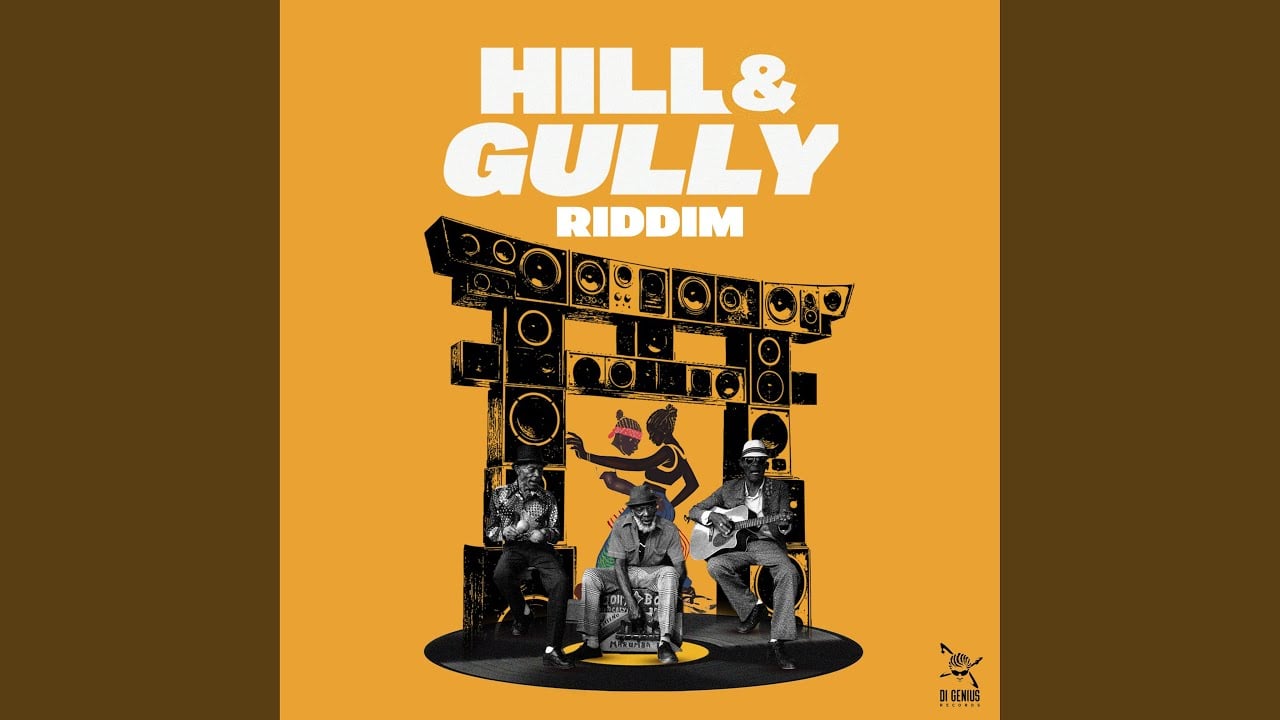
There is growing controversy in Jamaica over vulgar, sexually explicit lyrics set to a reworked version of the traditional folk song Hill and Gully Rider, produced by Jamaican Stephen McGregor.
Many Jamaicans see the original folk song as part of the country’s cultural heritage, tied to traditional Jamaica, folk memory, and national identity. Critics argue that placing highly sexual or “slack” lyrics over the melody dishonors the culture and cheapens something historically important.
The strongest public criticism has come from veteran Jamaican broadcaster and cultural figure Fae Ellington. In a video she produced, Ellington said hearing vulgar lyrics over the traditional folk song made her feel “numb” and accused some artists of “defacing our culture.” She compared it to putting “nastiness” over the Jamaican national anthem.

The debate over adaptations of the Jamaican folk song reflects a broader anxiety many Jamaicans, at home and in the diaspora, feel about cultural change, public behavior, and social values. Some interpret vulgar or sexually explicit remixes of respected folk material as a sign of a society losing restraint, respect, or cultural grounding. Others argue it is simply artistic freedom and a continuation of Jamaica’s long tradition of musical reinvention.
There is likely no single cause behind what many describe as a continuing decline in Jamaica’s “moral fiber.” What some perceive as a decline in morality, particularly among youth, can be attributed to several factors. Economic pressure and inequality are weakening social stability and increasing frustration, especially among young people. Social media increasingly rewards shock value, controversy, and explicit content because it attracts attention quickly. Traditional institutions, including churches, schools, civic organizations, and even families, are generally having less influence over younger generations than in the past.
Some areas of popular culture, including parts of dancehall, emphasize hypersexuality, materialism, or aggression because these themes sell and generate online engagement. Global influences also play a role. Jamaica is not isolated, and American, Caribbean, and international entertainment trends shape behavior and language. Many people also feel disconnected from national ideals due to public corruption scandals, political tribalism, crime, and declining trust in leadership. When citizens lose faith in institutions and leaders, moral cynicism can spread.
At the same time, it is important not to romanticize the “good old days.” Every Jamaican generation has criticized the next for being too loose, vulgar, or rebellious. Similar concerns were raised decades ago about ska, reggae, and dancehall artists who later became celebrated cultural icons. Jamaican society still maintains strong traditions of family loyalty, religious belief, generosity, humor, and community resilience.
Responsibility for strengthening social values cannot rest on any single institution and must be shared across society. Families remain central, as children absorb attitudes about respect, discipline, sexuality, honesty, and responsibility primarily at home. Schools shape civic values and cultural literacy, and teaching Jamaican history, folk traditions, literature, and ethics can help build pride and standards.
Religious institutions, both traditional and non-traditional, still influence many communities, though their authority is weaker than in earlier decades. Artists and media figures also carry influence, and musicians, producers, radio personalities, and influencers help shape what becomes normalized. Government plays an indirect role through education policy, youth programs, economic opportunity, and enforcement of broadcasting standards. Community organizations, coaches, mentors, and elders are also crucial in giving young people structure and identity.
Cultural renewal is often more effective through positive examples than through censorship alone. Celebrating strong Jamaican music, literature, folk culture, and role models may have a more lasting impact than simply condemning vulgarity. Jamaica has repeatedly reinvented itself culturally while still preserving core parts of its identity.
Songs drawing criticism include tracks by artists such as Masicka, Valiant, and Elephant Man, which feature sexually suggestive themes and explicit language.
At the heart of the controversy are deeper arguments. Critics believe traditional folk culture should be treated with respect and not turned into explicit party music. Supporters argue that Jamaican music has always evolved by remixing older forms into new genres.
Some Jamaicans see the “nasty” lyrics as evidence of moral decline and excessive vulgarity in mainstream culture. Others argue that dancehall reflects real life and should not be censored simply because older generations disapprove of its content.
Older Jamaicans tend to view folk songs as almost sacred cultural property, while younger audiences often see sampling and reinterpretation as normal creativity. Some defenders of dancehall argue that Jamaica’s elite selectively condemn “slackness” while ignoring sexual themes in older mento, calypso, carnival culture, and even foreign music.
Historians and academics have also noted that older Jamaican music, including mento and ska, often contained sexual double meanings and “slack” content. Some earlier versions of Hill and Gully Rider itself reportedly attracted criticism decades ago.
Ultimately, the controversy goes beyond one rhythm. It has become a national debate about what defines Jamaican culture, whether limits should exist on artistic freedom, whether dancehall preserves or erodes society, and how Jamaica balances tradition with modern expression.