Mr Killa ignites regional debate over Trinidad Carnival and Grenada’s Jab Jab culture
A spirited regional debate surrounding Caribbean Carnival culture erupted online this week after Grenadian soca artist Mr Killa made comments describing Trinidad Carnival as “big and commercialized” while praising Grenada’s Jab Jab tradition for maintaining what he called a more raw and ancestral authenticity.
The comments, made during a recent Caribbean tour appearance alongside popular online streamer IShowSpeed, quickly ignited passionate reactions across social media platforms, drawing responses from Carnival enthusiasts, cultural commentators, and soca fans throughout the region.
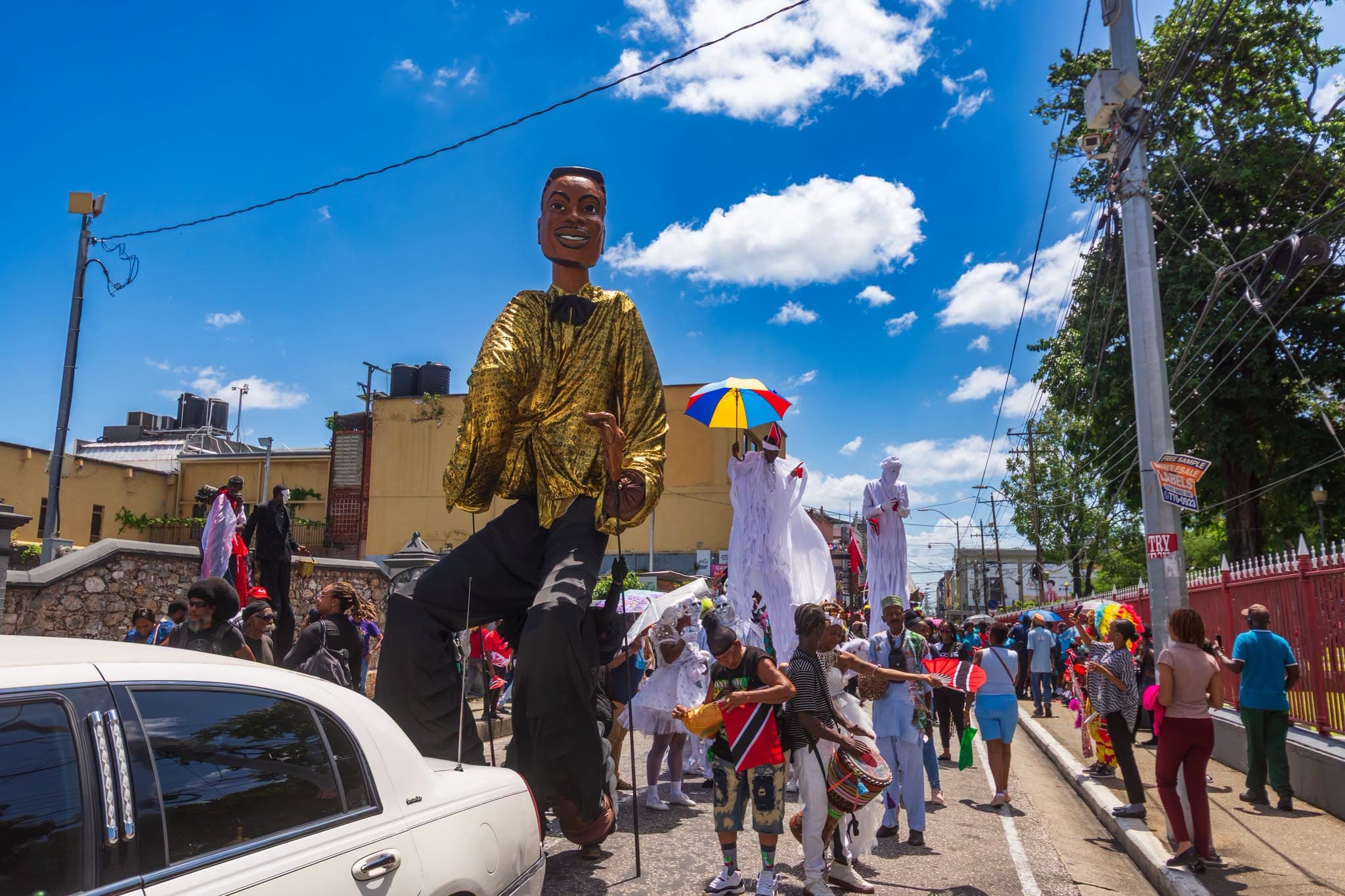
During the discussion, Mr Killa contrasted the global scale and structure of Trinidad’s Carnival with Grenada’s traditional Jab Jab culture, which is widely known for its deep spiritual symbolism, resistance themes, and intense folkloric expression rooted in emancipation history.
While some social media users interpreted the remarks as criticism of Trinidad and Tobago’s internationally recognized Carnival product, others defended the artist, arguing that he was simply highlighting the differences between the Caribbean’s various Carnival traditions rather than attacking one culture in favor of another.
The backlash intensified as Trinidadians rallied to defend what many consider one of the world’s premier cultural festivals. At the same time, several Grenadians and regional supporters applauded Mr Killa for openly championing indigenous Caribbean traditions that they believe have sometimes been overshadowed by mainstream commercialization.
As the online discourse escalated, Mr Killa later issued a public clarification via social media, insisting that his comments were misunderstood and never intended as disrespect toward Trinidad and Tobago.
“At no point did I ever say that Trinidad and Tobago Carnival is fake. That is not my word, and not my position,” the artist stated.
He went on to explain that describing Trinidad Carnival as commercialized was not meant negatively, but rather as recognition of the festival’s global expansion and massive infrastructure.
“It is one of the most powerful cultural movements in the world, with global reach, major investment, and world-class production,” he wrote. “Commercialized does not mean fake or inauthentic. It means expanded, structured, and operating at a world level, and that is something to be respected.”
Mr Killa also emphasized Grenada’s unique Carnival identity, noting that Jab Jab culture carries “a different vibration” rooted in ancestral traditions, raw expression, and freedom.
“That doesn’t make one better than the other — it shows the strength and diversity of Caribbean culture,” he added.
The controversy also reignited wider conversations surrounding the evolution of Carnival culture and the globalization of soca music — discussions that have frequently been addressed by Trinidadian soca icon Machel Montano over the years.
Montano, often regarded as one of soca’s leading ambassadors on the international stage, has consistently spoken about balancing the commercialization and global growth of Carnival while preserving its cultural meaning and spiritual roots. Though he was not directly involved in the original exchange, his name became part of the online discussion as fans referenced his longstanding views on the future of Caribbean culture and soca music.
Despite the heated exchanges online, many observers believe the debate ultimately highlighted the richness and diversity of Caribbean Carnival traditions rather than division.
From Trinidad’s globally celebrated spectacle to Grenada’s deeply rooted Jab Jab expression, the conversation has once again underscored how passionately Caribbean people protect and celebrate their cultural identities.