Jennifer Geerlings-Simons elected Suriname’s First Female President
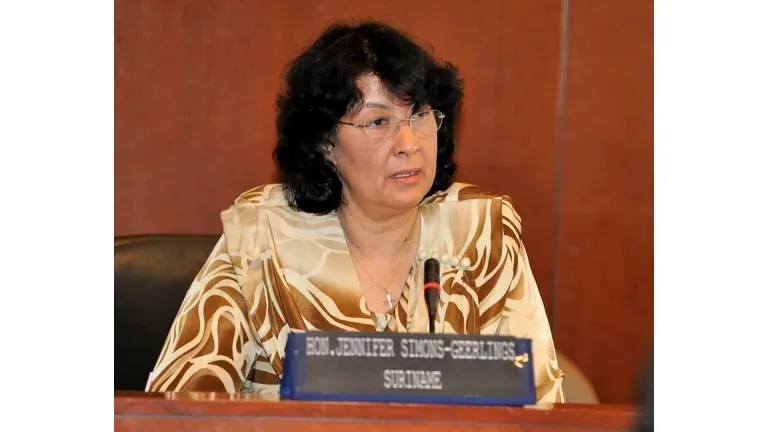
Suriname's parliament on Sunday made history by electing physician and longtime congresswoman Jennifer Geerlings-Simons as the country’s first female president.
Geerlings-Simons, who ran unopposed, was elected by a two-thirds majority in the National Assembly after her National Democratic Party successfully formed a coalition to oust the incumbent government. The political shift comes as Suriname braces for an anticipated economic boom tied to recent offshore oil discoveries, with first production projected for 2028.
“I am aware that the heavy task I have taken on is further aggravated by the fact that I am the first woman to serve the country in this position,” Geerlings-Simons, 71, said following her election.
She is set to be inaugurated on July 16 in the Dutch-speaking South American nation of just over 646,000 people.
Geerlings-Simons and her running mate, Gregory Rusland, have pledged to focus on stabilizing the country’s fragile economy. In recent statements, she has emphasized the need to boost state revenues through improved tax collection, particularly in sectors like small-scale gold mining.
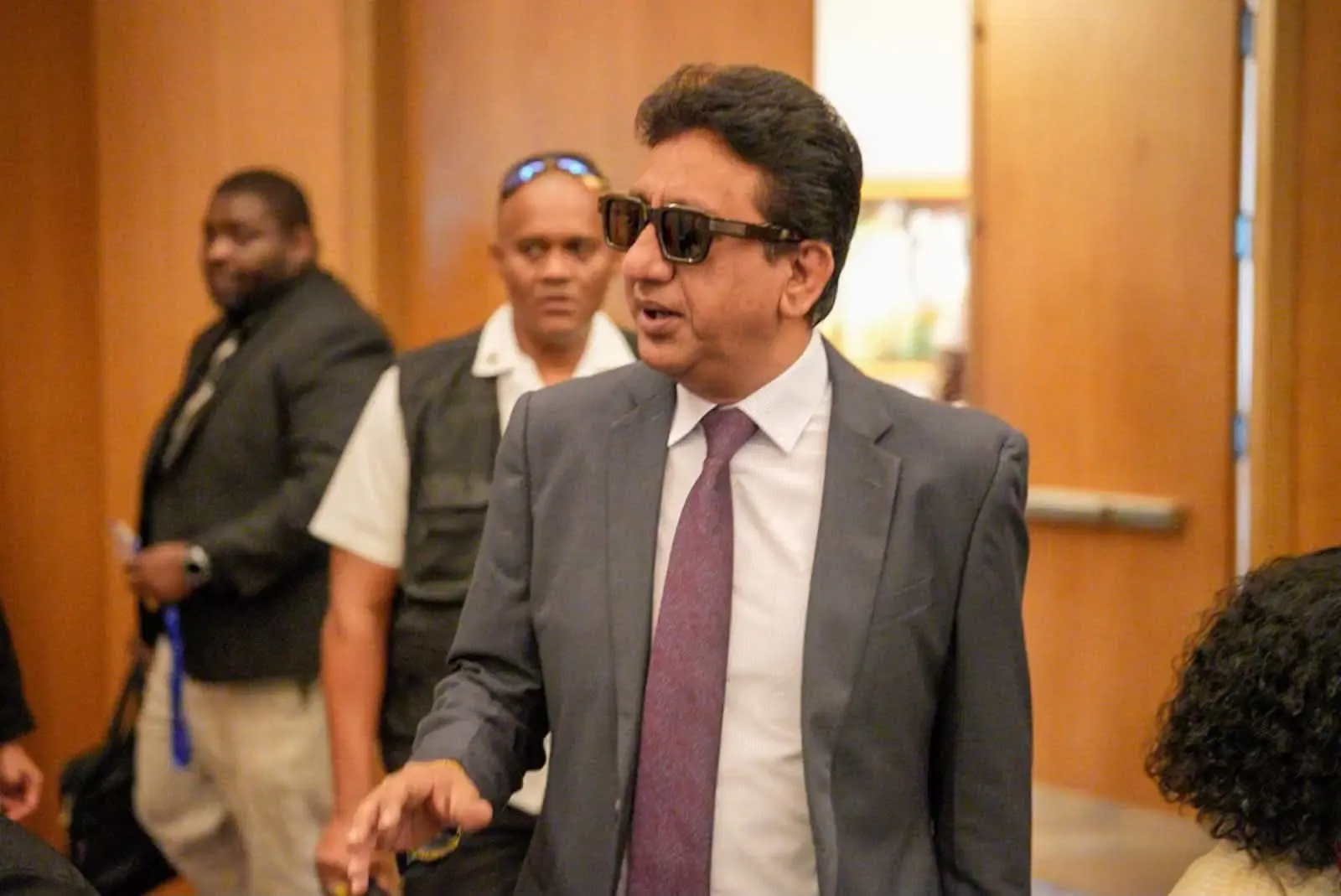
Suriname’s outgoing president, Chandrikapersad Santokhi, oversaw a turbulent five-year term marked by corruption scandals and a financial crisis that led the government to seek help from the International Monetary Fund. While Santokhi succeeded in macroeconomic stabilization through debt restructuring and austerity measures, the resulting subsidy cuts triggered widespread public backlash and violent protests.
Economist Winston Ramautarsingh, former chairman of Suriname's Association of Economists, warned that the new administration faces steep hurdles in the immediate years ahead. “Suriname does not have that money,” he said, referring to the roughly $400 million in annual loan and interest repayments due before oil revenues begin to flow. “The previous government rescheduled the debts, but that was only a postponement.”
Geerlings-Simons' leadership marks a pivotal moment for Suriname as it looks to navigate economic uncertainty and social unrest while preparing for what could be a transformative oil windfall in the near future.