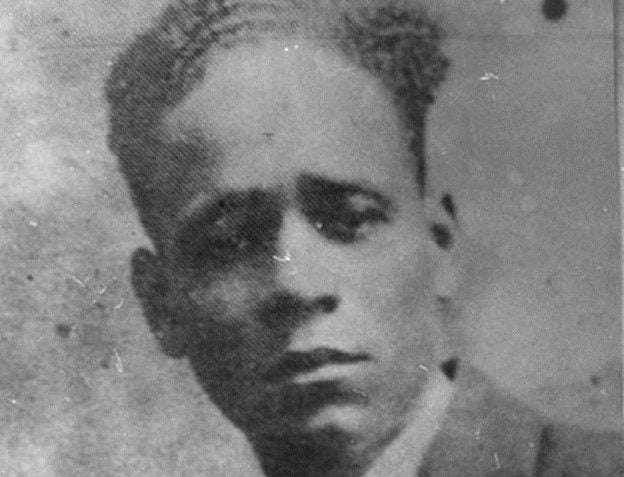
The Right Excellent Clement Osbourne Payne is regarded by some as the father of trade unionism in Barbados, urging workers to “Educate, agitate, but not to violate”.
Payne was born in Trinidad in 1904 to Barbadian parents who moved back to Barbados when he was four years old. Payne attended Bay Street Boys’ School and subsequently worked for some years as a junior clerk. In 1927 he returned to Trinidad, where as an advocate of social justice he was involved with the growth of militant trade unionism.
Known for his fiery, powerful speeches, Payne sought to educate the poor working masses on the importance of coming together and resisting the elite white planter class.

In 1937 Payne tried to bring the masses together in Barbados. He encouraged them to seek a better life and break free from oppression. Payne held several public meetings throughout the city where he emphasized the rights of the people, encouraging them to stand up for themselves and insist on better conditions.
Viewed as a dangerous revolutionary who threatened the way of life of the planter class, Payne was kept under close observation by the authorities. In 1937, with the help of his allies in Trinidad he remained privy to the labor dispute developments on the twin island, and he subsequently held meetings encouraging Barbadians to follow suit.
Payne was accused of falsifying a statement to the Harbour Authorities when he entered Barbados stating that his place of birth was Barbados instead of Trinidad. When the case was brought to trial, Payne pleaded not guilty and the case was adjourned. However, when it resumed he pleaded his own case and was found guilty. Ordered to pay ten pounds sterling or spend three months in prison, he appealed this decision and was provided with moral and financial support from the working class.
On July 22, 1937, the night after his court appearance, Payne held a meeting and announced that he believed the Government had ulterior motives. He announced his intentions to visit the governor on the matter. The following day Payne and approximately 300 workers marched to the governor’s residence.
He and thirteen supporters were arrested and charged for refusing to disperse as an assembled mob when told to do so by police. Everyone present pleaded not guilty, and all were granted bail with the exception of Clement Payne who was remanded.
On July 26, 1937, Payne won his appeal against the conviction of making a false declaration regarding his birthplace upon arrival in Barbados but was still ordered to leave the island. His supporters hired a young attorney, Grantley Adams to represent him in this matter. Adams was aware of the possible physical danger to Payne and advised him not to dispute the deportation order. Clement Payne was deported and was not allowed to enter Barbados again. The action of the authorities and Governor Mark Young incited the general public into a frenzy.
The riots continued for four days in various areas around the island. Armed with sticks and stones, protestors damaged everything in sight including buildings and cars valued at millions of dollars. By the end of the riot 14 people died, 47 were wounded and nearly 500 were arrested.
The British Government launched a Commission of Inquiry to investigate the situation in Barbados and other British West Indies colonies. The Commission determined that all of the claims/charges were to be sustained and it was decided that the reforms which Payne had suggested should be implemented. The first and foremost of which was the introduction of the trade union legislation.
Clement Payne collapsed while speaking at a political meeting in Trinidad April 7, 1941 and passed away shortly after at the age of 37.