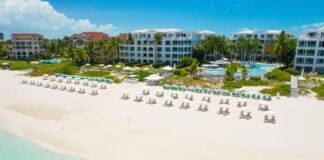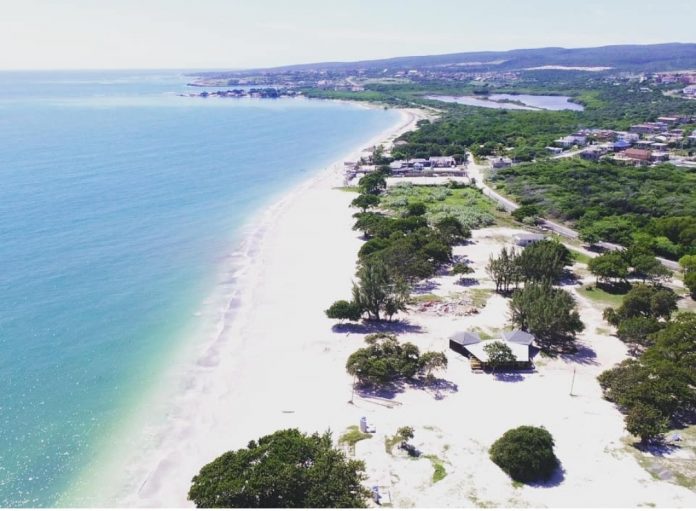
St Catherine is one of the island’s largest and most economically valued parishes in Jamaica. It also includes the first capital of Jamaica, Spanish Town, originally known as San Jago de la Vega or Santiago de la Vega. Not many attractions exist in St Catherine, outside of its beaches, but the parish’s commercial activity make it one of the most visited in Jamaica. Here are a few places to visit in St Catherine.

DaCosta Farm and Attraction
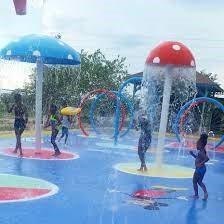

DaCosta Farm is the only of its kind in St. Catherine. Located just outside the center of Spanish Town, the Farm is home to a mini waterpark, a wonderland for the kids with a 2-ft pool, complimentary pool toys, and splash pad with the coolest sprays. Families typically come here for the water attractions or to spend the day fishing and bird-watching. Dirt bike trails also available, along with a Paintball course, with is arguably the most popular activity done here.
Hellshire Beach
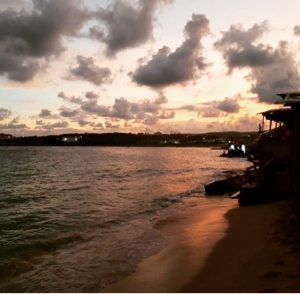
Hellshire Beach located in Portmore is famed for its fried fish and seafood, served by a variety of food shacks that line the shores. The beach near white sands with a very small trace of black sand. It is a popular public beach conveniently located for the residents of Portmore and weekend visitors from Kingston.
Fort Clarence Beach
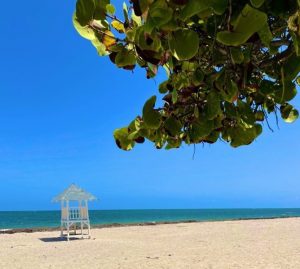
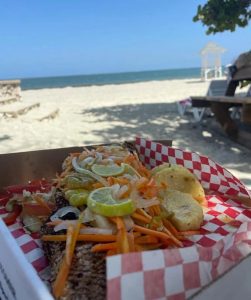

Fort Clarence Beach is located towards the southern outskirts of Hellshire in St. Catherine and is accessed via the Hellshire Main Road. The beach is a popular location, mainly attracting visitors from Kingston and St Catherine. Various events are hosted there, particularly on weekends. The beach is ideal for special events including weddings, parties, and family trips. Bathroom and changing room facilities are available. Food services are available such as snack shop and picnic facilities
St Jago de la Vega Cathedral
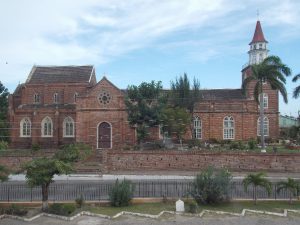
Built in 1714, this is the oldest Anglican cathedral in the Caribbean, boasting an impressive beamed ceiling, and a magnificent stained-glass window behind the altar. The church stands on the site of one of the first Spanish cathedrals in the Americas, built in 1525. Note the gargoyles with African features, considered unique in the world, above the south window.