Integrity first! World Athletics halts athlete transfers in sweeping decision
Key Points(5)
- In a sweeping and consequential ruling, World Athletics has denied the transfer of allegiance requests for a group of elite athletes, including four prominent Jamaicans, seeking to represent Turkey.
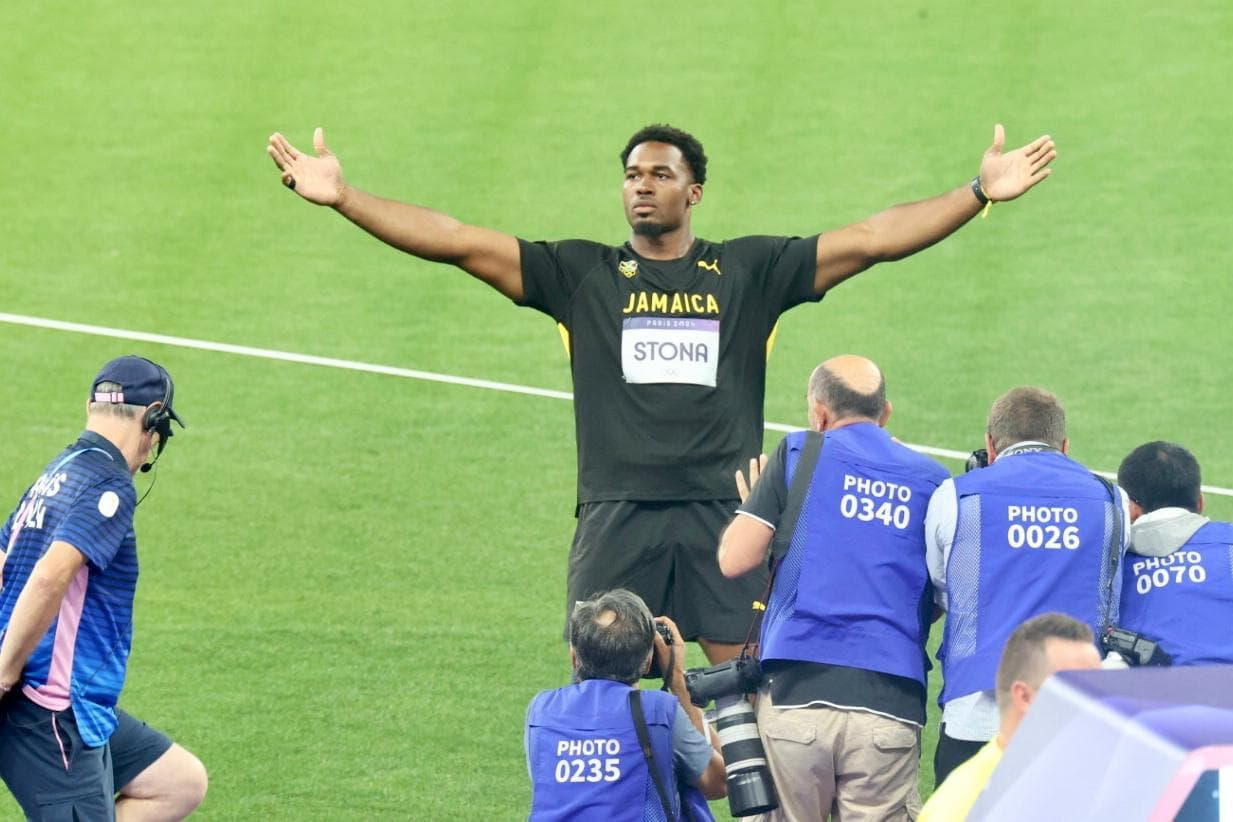
- At the center of the decision is Roje Stona, the 2024 Olympic men’s discus champion, alongside fellow Jamaicans Rajindra Campbell, Jaydon Hibbert, and Wayne Pinnock.
- Their applications, along with several others from across the globe, were rejected by the sport’s Nationality Review Panel in a decision that underscores a hardening stance on the integrity of international competition.
- <h2>A coordinated effort under scrutiny</h2> According to the panel, the applications were not isolated cases but part of what it described as a coordinated recruitment initiative linked to the Turkish government, facilitated through a state-supported club structure.
- The proposal reportedly involved lucrative contracts designed to attract high-performing athletes and fast-track their eligibility to compete for Turkey at major global events, including the 2028 Olympic Games in Los Angeles.
In a sweeping and consequential ruling, World Athletics has denied the transfer of allegiance requests for a group of elite athletes, including four prominent Jamaicans, seeking to represent Turkey.
At the center of the decision is Roje Stona, the 2024 Olympic men’s discus champion, alongside fellow Jamaicans Rajindra Campbell, Jaydon Hibbert, and Wayne Pinnock.
Their applications, along with several others from across the globe, were rejected by the sport’s Nationality Review Panel in a decision that underscores a hardening stance on the integrity of international competition.
A coordinated effort under scrutiny
According to the panel, the applications were not isolated cases but part of what it described as a coordinated recruitment initiative linked to the Turkish government, facilitated through a state-supported club structure.
The proposal reportedly involved lucrative contracts designed to attract high-performing athletes and fast-track their eligibility to compete for Turkey at major global events, including the 2028 Olympic Games in Los Angeles.
Rather than evaluate each request in isolation, the panel reviewed them collectively, citing clear commonalities in structure, timing, and intent.
Protecting the spirit of international competition
In explaining its decision, the panel made its position clear: approving such transfers would undermine the fundamental principles governing the sport.
Those principles, it noted, are intended to preserve the credibility of international athletics, ensure that national teams are built through genuine development systems, and maintain athlete confidence in a fair and transparent competitive landscape.
“As a result of the decisions, the athletes are not eligible to represent Turkey in national representative competitions or other relevant international events.”
However, the ruling does not prevent the athletes from competing in other contexts. “The panel noted, however, that this does not prevent the athletes from competing in one-day meetings or road races in a personal or club capacity, or from living and training in Turkey.”
The Jamaican quartet was not alone.
Also denied were athletes from multiple countries, including Favour Ofili of Nigeria and Sophia Yakushina of Russia, as well as a group of Kenyan distance runners: Catherine Relin Amanang’ole, Brian Kibor, Brigid Kosgei, Ronald Kwemoi, and Nelvin Jepkemboi.
The breadth of the list reinforced the panel’s conclusion that the effort extended beyond individual ambition to a broader recruitment strategy.
Rules beyond citizenship
While athletes had reportedly taken steps toward acquiring Turkish citizenship, motivated in part by significant financial incentives, the panel emphasized that nationality alone does not determine eligibility.
World Athletics’ transfer regulations require a demonstrable, meaningful connection between athlete and country, alongside strict safeguards designed to prevent the commercialization of national representation.
The Nationality Review Panel, tasked with enforcing these rules, concluded that the applications did not meet that threshold.
For Jamaica, the attempted transfers had raised alarm within the sport.
The four athletes involved are central figures in the nation’s resurgent field events program, and their potential departure was widely viewed as a significant threat to its continued progress.
The Jamaica Athletics Administrative Association had signaled its intention to escalate the matter to the global body, an action that has now been answered with a definitive ruling.
A precedent with lasting impact
Beyond the immediate cases, the decision sends a clear message - international representation is not a commodity to be negotiated purely through financial incentive.
By rejecting the transfers, World Athletics has reinforced its commitment to preserving competitive integrity and ensuring that national allegiance reflects more than contractual opportunity.
In doing so, it has drawn a firm boundary, one likely to shape the future of athlete transfers for years to come.