UN rights chief warns Haiti remains far from conditions for credible elections
Key Points(5)
- United Nations High Commissioner for Human Rights Volker Türk has warned that Haiti remains far from having the conditions needed for credible elections, as gang violence, human rights abuses and a deepening humanitarian crisis continue to affect the country.
- Addressing the 63rd session of the UN Human Rights Council on October 2, Türk said it was “difficult to conceive” that conditions for credible elections later this year were in place.
- He also called for people responsible for serious human rights violations and abuses to be barred from entering the electoral race.
- The warning came as Türk outlined the scale of violence documented by his office between January 1 and September 11.
- At least 5,700 people were killed or injured by gangs or during operations against them during the period, while more than 230 people were kidnapped and more than 1,000 women and girls were raped.
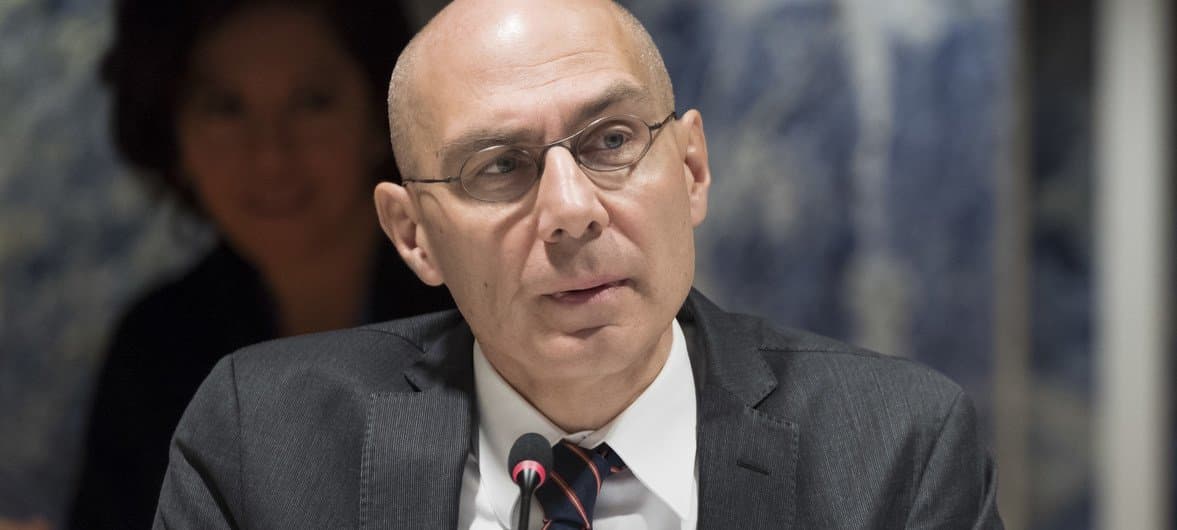
United Nations High Commissioner for Human Rights Volker Türk has warned that Haiti remains far from having the conditions needed for credible elections, as gang violence, human rights abuses and a deepening humanitarian crisis continue to affect the country.
Addressing the 63rd session of the UN Human Rights Council on October 2, Türk said it was “difficult to conceive” that conditions for credible elections later this year were in place.
He also called for people responsible for serious human rights violations and abuses to be barred from entering the electoral race.
The warning came as Türk outlined the scale of violence documented by his office between January 1 and September 11. At least 5,700 people were killed or injured by gangs or during operations against them during the period, while more than 230 people were kidnapped and more than 1,000 women and girls were raped.
Türk said the actual figures were likely higher.
Although gang activity has been contained in parts of Port-au-Prince, he said armed groups continue to adapt and expand into new areas. Recent attacks in Kenscoff and Gressier, along with an expanding gang presence in the Sud-Est department, indicate efforts to seize territory and key transport routes, he said.
The first operations by the UN-mandated Gang Suppression Force marked a long-awaited step toward improving security, according to Türk. However, he said the force remains well below the strength required and called for its rapid, full deployment following the renewal of its mandate.
He also stressed that human rights safeguards must be built into its operations.
Türk said security operations by state forces have raised concerns over the unnecessary and disproportionate use of force. More than half of all casualties recorded since the start of the year occurred in the context of security operations, with hundreds of people reportedly struck by stray bullets and explosive drones.
The number of summary executions by specialized police units has fallen by almost half compared with 2025, but people allegedly associated with gangs continue to be summarily executed.
Self-defence groups have also killed or injured about 280 people so far this year, Türk said.
The violence has compounded Haiti’s humanitarian crisis. More than half of the population faces acute food insecurity, while about 40% of Haitians lack access to basic healthcare.
Nearly 1.5 million people have been forcibly displaced, according to Türk, while Haiti’s prisons are operating at more than three times their official capacity on average. At least 125 people have died in detention this year.
Children are also increasingly being drawn into gang activity. Türk said an estimated 30% to 50% of gang members are children and that the recruitment and use of children by gangs nearly tripled last year.
He said children are being exploited, trafficked and abused, while systems to protect them and support their reintegration remain inadequate.
Türk also called for stronger enforcement of international sanctions against individuals financing and benefiting from criminal networks, as well as more effective implementation of the UN Security Council’s arms embargo on Haiti.
He urged countries to take action against the illicit flow of weapons and ammunition into the country, saying the trafficking must be stopped at its source.
The UN official also raised concerns about the forced return of Haitians from other countries in the region.
More than 220,000 people, including nearly 20,000 children, have been forcibly returned to Haiti in 2026, according to Türk. He said many had fled because of threats to their lives or those of their families and warned that returning them could violate the principle of non-refoulement.
Türk noted that Haitians abroad sent nearly US$5 billion in remittances to the country last year, equivalent to about one-sixth of Haiti’s gross domestic product.
He called for greater international support for Haiti’s government, including assistance to strengthen the justice system, improve prison conditions and make specialized judicial units fully operational.
Those units are intended to investigate mass atrocities, sexual violence and complex financial crimes.
“Those who profit from the current state of disorder are determined to see Haiti fail,” Türk said.
“We need all eyes on Haiti.”
Despite the crisis, he said communities across the country continue to demonstrate resilience, adding that international efforts must help create conditions in which Haitian children can grow up with hope rather than fear.