Lucea roadworks threaten Negril’s winter tourism season as MoBay-Negril journey stretches to four hours
Key Points(5)
- Traffic congestion along the A1 coastal corridor in Lucea, Hanover, as motorists travel between Montego Bay and Negril is threatening visitor arrivals ahead of the winter tourist season, which begins Dec.
- The normally 50-to-90-minute commute from Sangster International Airport in Montego Bay to Negril is reportedly now taking as long as four hours at times.
- The lengthy delays for visitors have prompted calls for the government and relevant authorities to accelerate planned roadwork.
- During a recent visit to the area, TVJ News highlighted the growing frustration among stakeholders who use the corridor, describing the journey to Negril as a nightmare despite the resort town's appeal to visitors.
- “Trips from MoBay to Negril in recent days are taking four hours in some instances, up from the usual hour and a half,” TVJ reported.
Traffic congestion along the A1 coastal corridor in Lucea, Hanover, as motorists travel between Montego Bay and Negril is threatening visitor arrivals ahead of the winter tourist season, which begins Dec. 15.
The normally 50-to-90-minute commute from Sangster International Airport in Montego Bay to Negril is reportedly now taking as long as four hours at times.
The lengthy delays for visitors have prompted calls for the government and relevant authorities to accelerate planned roadwork.
During a recent visit to the area, TVJ News highlighted the growing frustration among stakeholders who use the corridor, describing the journey to Negril as a nightmare despite the resort town's appeal to visitors.
“Trips from MoBay to Negril in recent days are taking four hours in some instances, up from the usual hour and a half,” TVJ reported. The delays are particularly concerning as the tourism industry prepares for one of its most important earning periods, with thousands of hotel rooms in Negril potentially affected.
One tourism stakeholder told TVJ that approximately 6,000 hotel rooms could be impacted by the transportation challenges.
“And for the tourists to access this, it is like climbing Mount Everest,” the stakeholder said.
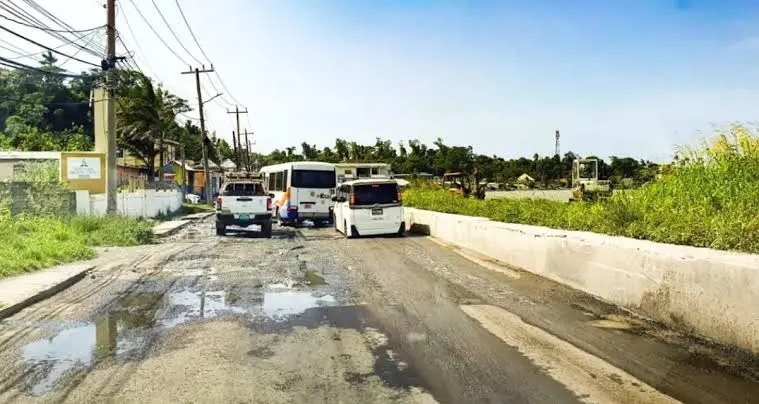
At the center of the congestion is a National Works Agency (NWA) infrastructure project along a 200-meter section of Seaview Drive, also known as Sea Wall Road, in Lucea. The $39 million project is intended to strengthen the roadway against climate-related damage through the construction of a seawall, the installation of culverts and underground drainage pipes, and the replacement of eroded asphalt with concrete.
The road is also being raised by approximately 16 inches. However, construction has restricted traffic to a single lane, contributing to significant delays along an already heavily traveled section of the north coast highway.
Additional pipe-laying and roadwork near Great River, Unity Hall and Westgreen Avenue are creating further bottlenecks along the corridor. The situation is compounded by heavy rainfall and coastal erosion, which have contributed to deep potholes, forcing motorists and public passenger vehicles to slow down as they navigate the damaged roadway.
TVJ's report noted that the main road runs close to the coastline and is particularly vulnerable during periods of heavy rainfall.
“Flood waters and the sea constantly erode the roadway, leaving large potholes,” the report stated, adding that motorists slowing down to navigate the affected sections contribute to traffic congestion.
With the winter tourist season scheduled to begin Dec. 15, hoteliers are increasingly concerned about the potential impact on bookings and visitor confidence. Some operators fear that visitors could reconsider their trips because of the difficulties associated with traveling between Montego Bay and Negril.
One hotelier told TVJ that the situation could force businesses to refund deposits for rooms already booked.
“Possibilities are that we will have to start giving back deposits for rooms that are booked for the winter because all of what is happening in Jamaica is out there,” the stakeholder said.
“Some of them will be coming. There's no doubt about it, but new business? Doubt that we will have the kind of winter season that we anticipate to,” the stakeholder said.
The concerns extend beyond hotel occupancy to airport transfers, tour operators and other businesses that rely on the smooth movement of visitors along the corridor.
With some visitors reportedly experiencing difficulties reaching the airport in time for return flights, tour operators have been forced to issue travel advisories and arrange significantly earlier pickups to accommodate the unpredictable journey.
While acknowledging that major infrastructure improvements may require temporary inconvenience, tourism stakeholders say more needs to be done to minimize the disruption.
Questions have also been raised about the time required to complete the 200-meter road project. Expressing frustration with the anticipated construction timeline, another stakeholder questioned why the work could take between four and six months.
“Our engineers and planners don't seem to have a clue, and it bothers me,” the stakeholder told TVJ. “Why our engineer is going to take four to six months to complete 200 metres of road, when the Chinese could have done it in a week?” the stakeholder questioned.
The comments reflect growing impatience among sections of the business community, which is seeking a balance between the need for climate-resilient infrastructure and the economic consequences of prolonged construction.
In an effort to ease the congestion, some motorists have been using alternative routes while construction continues in Lucea. TVJ reported seeing heavy equipment deployed by the state along an alternative route in Grange District, Hanover, as authorities sought to improve conditions for motorists using the diversion.
However, with several construction points affecting the wider corridor, the relief provided by alternative routes remains an important consideration for commuters and tourism operators.
For Negril's tourism industry, the concern is no longer simply about the inconvenience of a longer journey. It is whether the road conditions and construction delays will undermine visitor access, confidence and business during a critical period for the sector.