UN reports over 7,400 cases of gender-based violence in Haiti
Key Points(3)
- Only seven percent of the 833,000 people targeted for assistance were reached so far, Dujarric said.
- The response remains critically underfunded, with a gap of $13.5 million, representing 70 percent of the over $19 million needed for the year.</p> <p data-start="1244" data-end="1504">Despite these challenges, UN agencies and partners intensified efforts earlier this year.
- Yet key support, including time-sensitive post-rape care and access to safe abortion, is frequently missing.
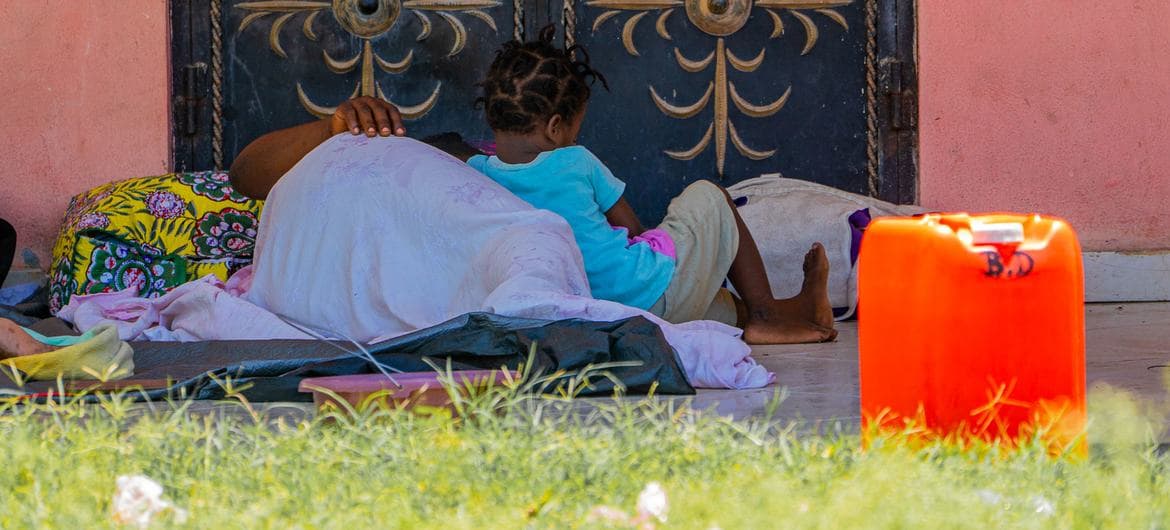
Between January and September 2025, more than 7,400 cases of gender-based violence (GBV) were reported in Haiti, averaging roughly 27 incidents per day, according to UN spokesperson Stéphane Dujarric.
“Sexual violence made up just over half of the cases—about 3,700—and nearly two-thirds of these involved gang rape, approximately 2,500 incidents,” he added.
The UN’s Office for the Coordination of Humanitarian Affairs (OCHA) warned that survivors and those at risk face severely limited access to essential services due to insecurity, logistical obstacles, and funding shortfalls.
Funding Shortfalls Hamper Response
Budget cuts have significantly constrained the UN and partner agencies’ ability to respond. Only seven percent of the 833,000 people targeted for assistance were reached so far, Dujarric said. The response remains critically underfunded, with a gap of $13.5 million, representing 70 percent of the over $19 million needed for the year.
Despite these challenges, UN agencies and partners intensified efforts earlier this year. Between January and February, over 32,000 awareness sessions were conducted, and around 560 frontline workers received training to provide support to survivors.
WHO Highlights Global Gaps in Support for Survivors
The World Health Organization (WHO) has warned that survivors of gender-based violence are frequently let down when seeking medical help, with essential care often unavailable. In a report released Thursday from the agency’s European office, WHO found that nearly three in 10 women and girls over 15 experience physical or sexual abuse across the region.
Health services are often the first—and sometimes only—point of contact for survivors. Yet key support, including time-sensitive post-rape care and access to safe abortion, is frequently missing. WHO found that among 53 European countries surveyed, only seven offer safe abortion services.
Melanie Hyde of WHO emphasized the importance of policies in ensuring frontline care: “Only 40 percent of Member States in the European region have provisions for the different needs of sexual assault survivors enshrined at a policy level. What we find is if it’s not in policy, then it’s not going to be at the frontline.”
WHO has described gender-based violence as a public health crisis, noting its wide-reaching impact on survivors’ mental and physical health, as well as on families and society at large.