Trinidad and Tobago workers protest government policies as PM dismisses march
Key Points(5)
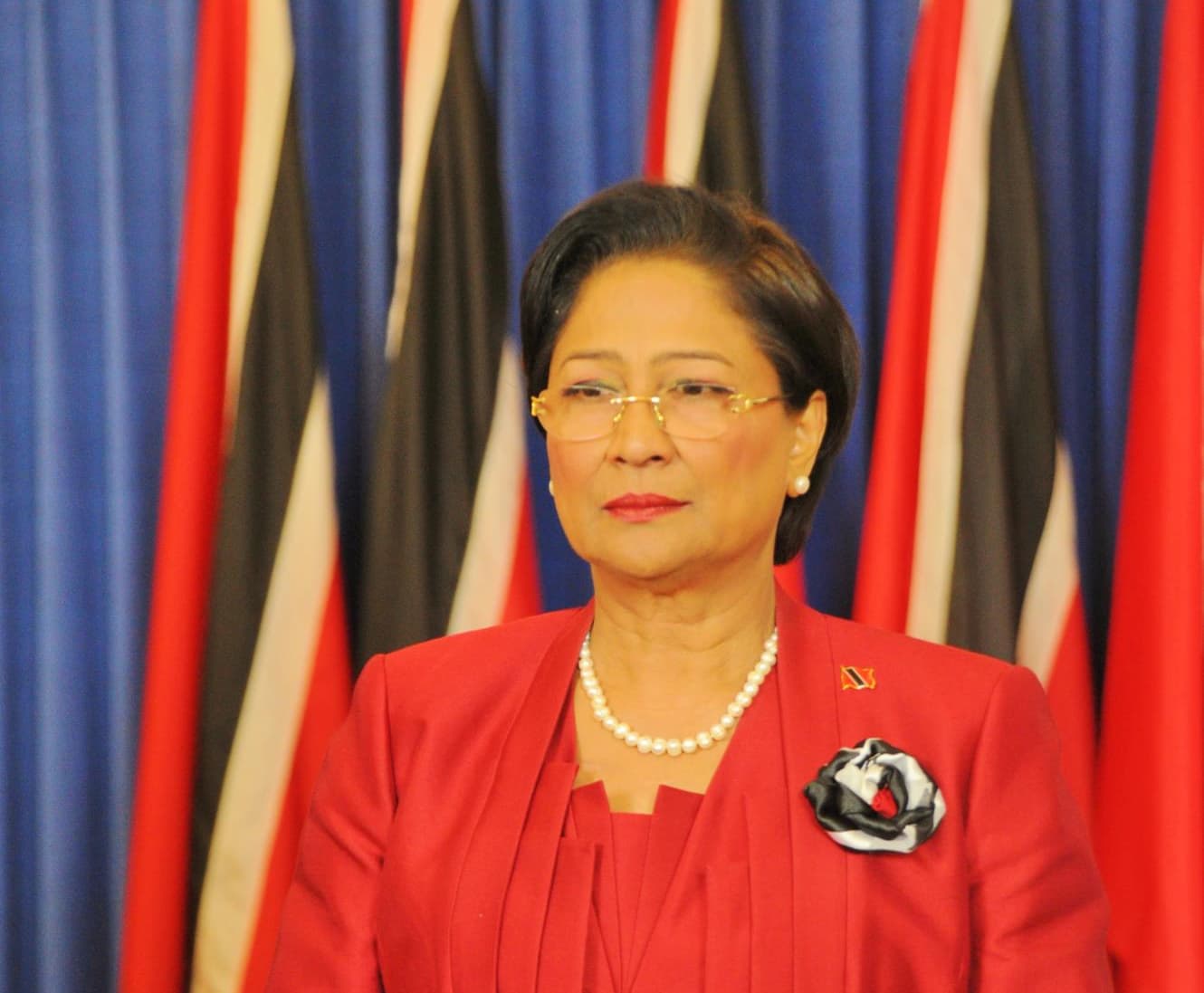
- Leaders of at least 12 trade unions in Trinidad and Tobago led workers, politicians and other supporters in a protest march Friday against the policies of the Kamla Persad-Bissessar government, prompting the prime minister to accuse the unions of political and racial hostility.
- Persad-Bissessar dismissed the demonstration as politically motivated, arguing that her government had already taken steps to address workers' concerns, including outstanding back pay, salary increases and labor legislation.
- “Sadly, no matter what the UNC (United National Congress) government does for some trade unions, it will never be enough.
- It is clear that the protest … by these unions and the PNM (main opposition People's National Movement) is driven by racial and political hatred of the UNC and not by actual efforts to get benefits for their members,” she said in a statement ahead of the march.
- The prime minister later described the demonstration as a failure, referring to it as a “long touted hate protest” against the UNC.
Leaders of at least 12 trade unions in Trinidad and Tobago led workers, politicians and other supporters in a protest march Friday against the policies of the Kamla Persad-Bissessar government, prompting the prime minister to accuse the unions of political and racial hostility.
Persad-Bissessar dismissed the demonstration as politically motivated, arguing that her government had already taken steps to address workers' concerns, including outstanding back pay, salary increases and labor legislation.
“Sadly, no matter what the UNC (United National Congress) government does for some trade unions, it will never be enough. It is clear that the protest … by these unions and the PNM (main opposition People's National Movement) is driven by racial and political hatred of the UNC and not by actual efforts to get benefits for their members,” she said in a statement ahead of the march.
The prime minister later described the demonstration as a failure, referring to it as a “long touted hate protest” against the UNC.
“The protest has bust, back to work on Monday, enjoy the weekend, your Prime Minister loves you,” she wrote on Facebook after the march, alongside a photograph showing several protesters in the capital.
Earlier, Persad-Bissessar said the unions were protesting against a government that, within 18 months of taking office, had begun paying outstanding back pay, offering 10% salary increases and passing legislation to protect workers.
She also accused the unions of failing to take similar action during the previous 10 years under the PNM administration, claiming they had faced threats, ridicule and inadequate responses to demands for salary increases and back pay.
However, Opposition Leader Pennelope Beckles, who joined Friday's demonstration, rejected the prime minister's characterization of the protest as racially motivated.
She argued that workers were exercising their right to demand better wages and working conditions and accused Persad-Bissessar of introducing racial divisions into an issue that was fundamentally about labor rights.
“That is always her defence mechanism. She brings in race in everything. And this issue of wages and salaries has nothing to do with race,” Beckles said.
She added that the prime minister's comments were an attempt to divide the population and discourage UNC supporters from participating in the demonstration.
“Before the election, the Prime Minister said when UNC wins, everybody wins. A lot of the trade unions took her seriously and really thought she was honest about it and they have now found out that that is not true,” Beckles said.
Protesters chanted “Kamla must go” as they marched through areas on the outskirts of Port of Spain, including near the Office of the Prime Minister, to draw attention to their concerns.
National Trade Union Centre (NATUC) General Secretary Michael Annisette said earlier that senior police officers had asked organizers to postpone the demonstration because of security demands associated with the Tobago Carnival, which began Friday.
Annisette said he rejected the request, noting that the unions had already rescheduled the march and that another postponement at short notice would frustrate workers and other members of the public preparing to participate.
Among the notable absences were the leadership of two major trade unions, the Oilfield Workers' Trade Union (OWTU) and the Public Services Association (PSA).
One protester wearing an OWTU jersey criticized the union's executive, accusing its leadership of being aligned with the government.