CARICOM welcomes UK PM's openness to slavery apology, insists reparations remain on table
Key Points(5)
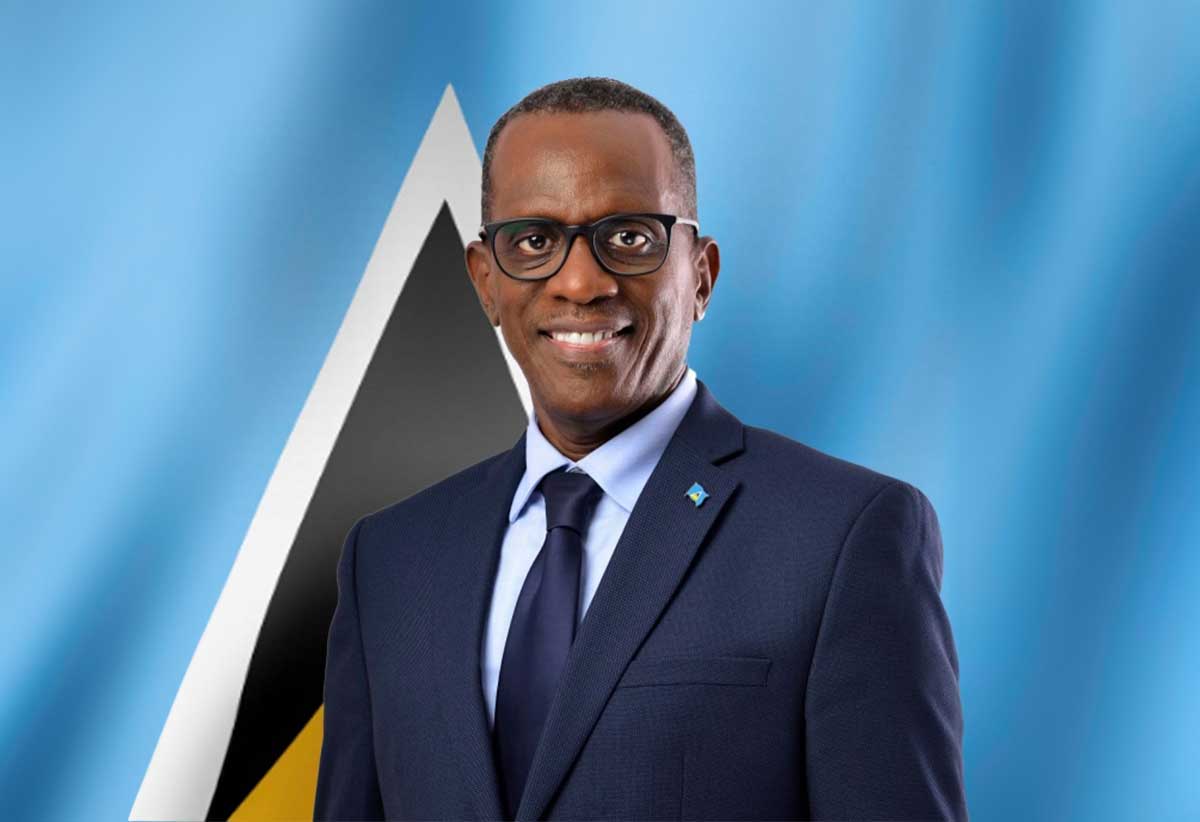
- In a statement Saturday, Caricom Chair and Saint Lucia Prime Minister Philip J.
- Pierre said the Community was prepared to engage with the United Kingdom but rejected Burnham's position that financial reparations were not “the right answer.” Burnham, who is expected to attend the Nov.
- 1-4 Commonwealth Heads of Government Meeting (CHOGM) in Antigua and Barbuda, recently said he was open to listening to calls for a formal apology on behalf of Britain for its role in the slave trade, but ruled out financial compensation.
- In an opinion article published in The Guardian, Burnham argued that present-day British citizens should not be held liable for historical wrongs in which they had no personal involvement.
- He instead proposed structured dialogue with countries and communities affected by slavery.
The Caribbean Community (CARICOM) has welcomed British Prime Minister Andy Burnham's willingness to consider a formal apology for Britain's role in the transatlantic slave trade and engage in structured dialogue with affected countries, but insists that reparatory justice must remain central to any discussions.
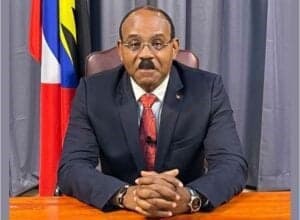
In a statement Saturday, CARICOM Chair and Saint Lucia Prime Minister Philip J. Pierre said the Community was prepared to engage with the United Kingdom but rejected Burnham's position that financial reparations were not “the right answer.”
Burnham, who is expected to attend the Nov. 1-4 Commonwealth Heads of Government Meeting (CHOGM) in Antigua and Barbuda, recently said he was open to listening to calls for a formal apology on behalf of Britain for its role in the slave trade, but ruled out financial compensation.
In an opinion article published in The Guardian, Burnham argued that present-day British citizens should not be held liable for historical wrongs in which they had no personal involvement. He instead proposed structured dialogue with countries and communities affected by slavery.
“I want to express my sorrow and regret for the pain and suffering of so many millions and to recognise the way it still shapes our world today,” he wrote.
Pierre described Burnham's expression of sorrow and regret, along with his willingness to consider a formal apology on behalf of the British state, as a significant development.
“No British Prime Minister has gone this far before. It would be wrong of us not to say so, and we welcome it in the spirit in which it appears to be offered,” Pierre said. “For more than a decade, this Community has asked for exactly such a dialogue. We are ready to engage.”
However, he rejected the argument that reparations were inappropriate or that Britain's responsibility had ended because current generations had not personally participated in slavery.
“Reparatory justice has never been about individual guilt. It is about the responsibility of states and institutions – and that responsibility does not expire with the passing of generations,” he said.
Pierre pointed to Britain's role in establishing, protecting and profiting from slavery, as well as its decision to compensate enslavers following emancipation while formerly enslaved people received no land, wealth or compensation.
He also noted that British taxpayers continued repaying the loan used to compensate enslavers until February 2015.
The consequences of slavery, Pierre said, remain evident across the Caribbean through chronic diseases, inequalities in education and economic opportunities, extractive economic structures, national debt and vulnerability to economic and climate shocks.
He maintained that while a formal apology would be an important first step, it must be accompanied by practical measures to address slavery's enduring effects.
Pierre pointed to Caricom's Ten-Point Plan for Reparatory Justice, which calls for a formal apology, public health initiatives, education and training, cultural heritage restitution and reconnection, psychological rehabilitation, technology and innovation, entrepreneurship, debt cancellation, monetary compensation and decolonization.
He said structured dialogue must include all elements of the plan, along with reparations for the genocide of Indigenous Peoples and the harm inflicted on people brought from India and China to sustain colonial systems.
“A dialogue that begins by placing reparations outside the room cannot be a complete dialogue,” Pierre said.
The Caricom chair also acknowledged the UK's proposed initiative, to be led by former British Prime Minister Gordon Brown, to restructure the debt of the poorest Commonwealth countries.
He said the Community would examine the proposal but cautioned that most Caricom member states are classified as middle- or high-income economies and are often excluded from concessional debt relief despite their exposure to climate and economic shocks.
“Any initiative that is to be meaningful for our region must measure vulnerability, not income alone,” he said, adding that debt relief could not replace reparatory justice.
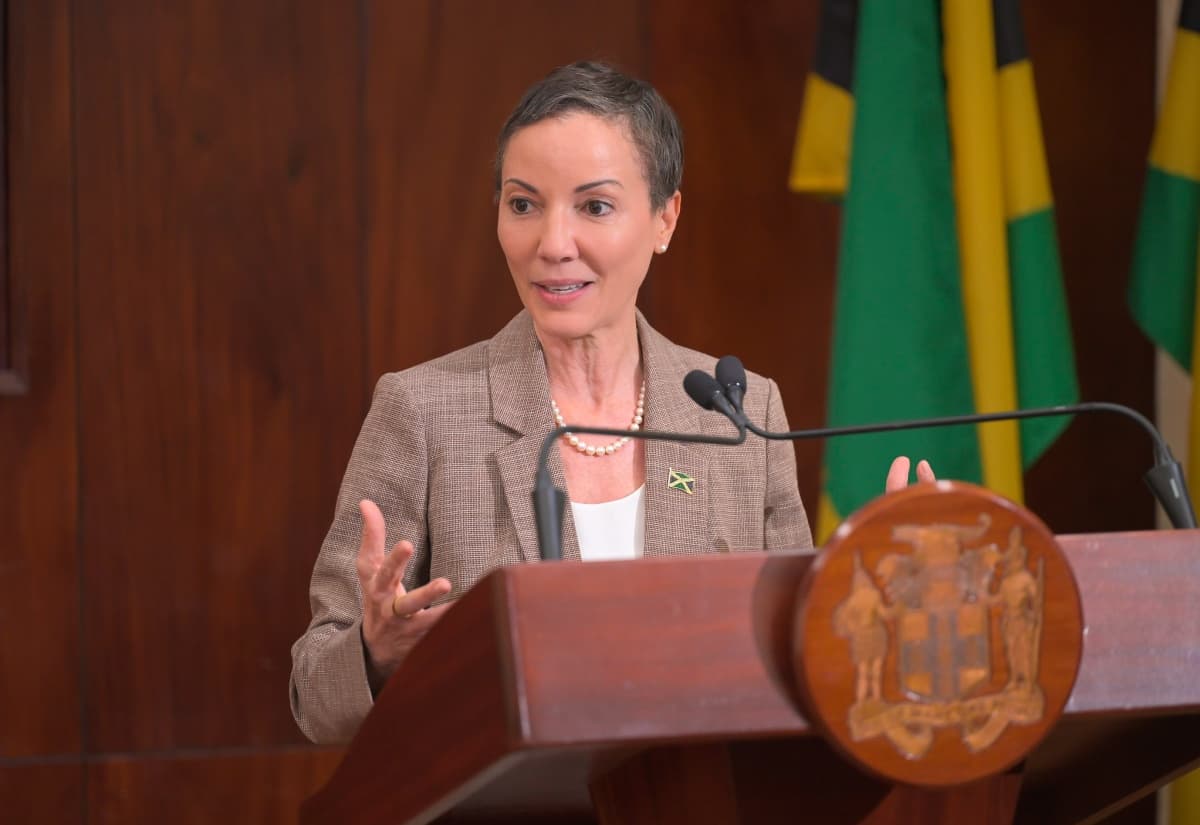
Pierre said the Caricom Prime Ministerial Sub-Committee on Reparations, led by Barbados Prime Minister Mia Mottley, and the Caricom Reparations Commission, chaired by Sir Hilary Beckles, were prepared to work with the British Government to establish the terms, agenda and timetable for structured dialogue.
He said he looked forward to meeting Burnham in Antigua and Barbuda in the coming days during the Commonwealth Heads of Government Meeting.
“Our ancestors did not receive justice in their lifetime. We owe it to them, and to the generations who will come after us, to see this work through – with dignity, with patience, and with resolve,” Pierre said.