Trinidad and Tobago refrains from military involvement in Haiti crisis
The Trinidad and Tobago government announced on Tuesday its decision not to provide military assistance amidst escalating security concerns in Haiti.
Criminal gangs in the country have been plotting to overthrow Prime Minister Dr. Ariel Henry’s government, prompting international deliberation on intervention measures.
No troop deployment
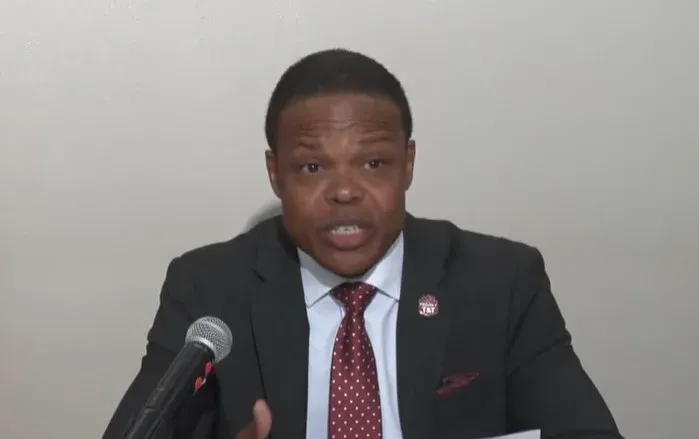
Foreign and Caricom Affairs Minister, Dr. Amery Browne, addressed reporters at a news conference, elucidating the government’s stance on contributing to security efforts in Haiti.
Despite the nation’s support for actions addressing the crisis, Browne emphasized that Trinidad and Tobago would not deploy military forces or police officers as part of the Multinational Security Mission (MSS) sanctioned by the United Nations Security Council.
Financial and humanitarian support
While ruling out military involvement, Browne highlighted Trinidad and Tobago’s contributions to diplomatic initiatives and financial aid aimed at addressing the situation in Haiti.
The government has extended support to Caricom Good Offices efforts, the Eminent Persons Group, and other diplomatic frameworks, laying the groundwork for potential interventions.
Regional collaboration and virtual summit
Browne mentioned Trinidad and Tobago’s participation in a virtual summit with other Caricom leaders to discuss the ongoing crisis in Haiti.
The summit aims to provide updates, assess the situation, and explore collaborative approaches within the region to address the concerning developments in Haiti.
International efforts and legal hurdles
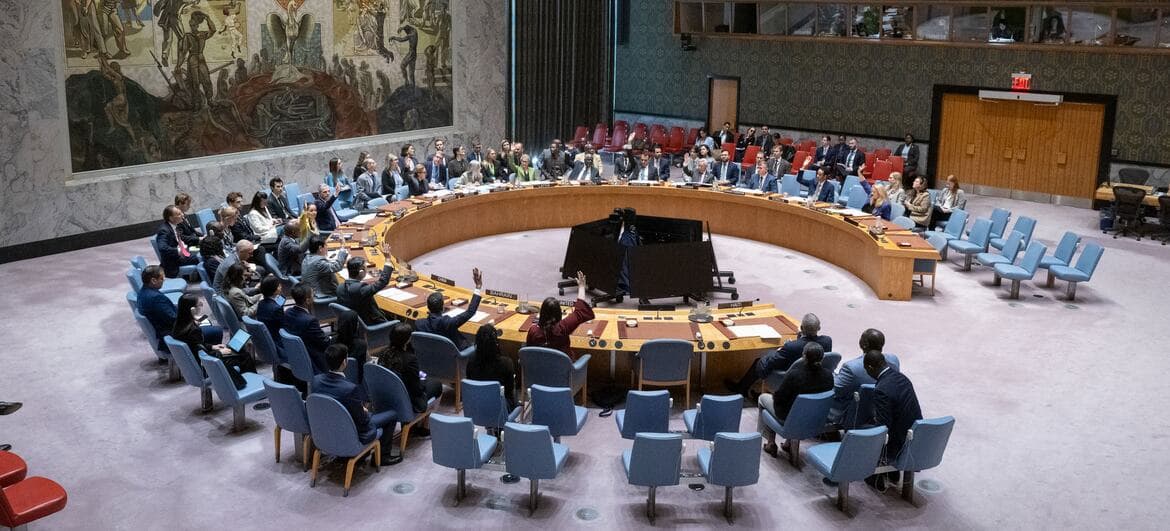
The United Nations Security Council had previously authorized the deployment of the MSS to support Haiti’s police force, with Kenya offering to lead the mission.
However, legal obstacles arose when the Kenya High Court deemed the deployment unconstitutional without a reciprocal arrangement with the Haitian government.
Kenya’s response and regional support
In response to the court ruling, Kenya signed a “reciprocal arrangement” in Nairobi, seeking to address legal objections and proceed with its plan to dispatch 1,000 police officers to Port-au-Prince.
Meanwhile, other Caricom nations, including the Bahamas, Jamaica, Belize, and Antigua and Barbuda, have expressed willingness to assist the MSS in fulfilling its mandate.
Despite Trinidad and Tobago’s decision to refrain from military involvement, regional and international efforts persist to address the security crisis in Haiti, underscoring the complexity and urgency of the situation.