The quiet pressure facing young professional women in their 20s
Key Points(5)
- It seems that somewhere between social media and the ever-changing expectations of adulthood, a new kind of professional woman was shaped and created.
- The professional woman of 2026 is no longer simply someone who sits in an office or boardroom.
- She is much more than that now; she has become an entire lifestyle.
- She wakes up at 5 a.m.
- for a run, gym session, or Pilates class.
It seems that somewhere between social media and the ever-changing expectations of adulthood, a new kind of professional woman was shaped and created. The professional woman of 2026 is no longer simply someone who sits in an office or boardroom. She is much more than that now; she has become an entire lifestyle.
She wakes up at 5 a.m. for a run, gym session, or Pilates class. She drinks coffee or protein shakes. She takes the time to carefully undo her satin flexi rods for fresh curls while filming a "Get Ready With Me" video. Then she heads off to work, whether that means commuting to an office or simply walking to the desk in her living room to log on. She moves through her day, checking off items on her to-do list and enjoying an aesthetically pleasing, healthy lunch. After work, she heads to a master's program class or completes an online certification.
But it does not stop there. Even on weekends, there is a curated schedule. A nail appointment that keeps her polished. A matcha in hand, paired with a podcast or journal article that offers continuous learning. This image of the modern professional woman sends a clear message to onlookers: she is disciplined, ambitious, and has it all together.
Can One Have It All Together?
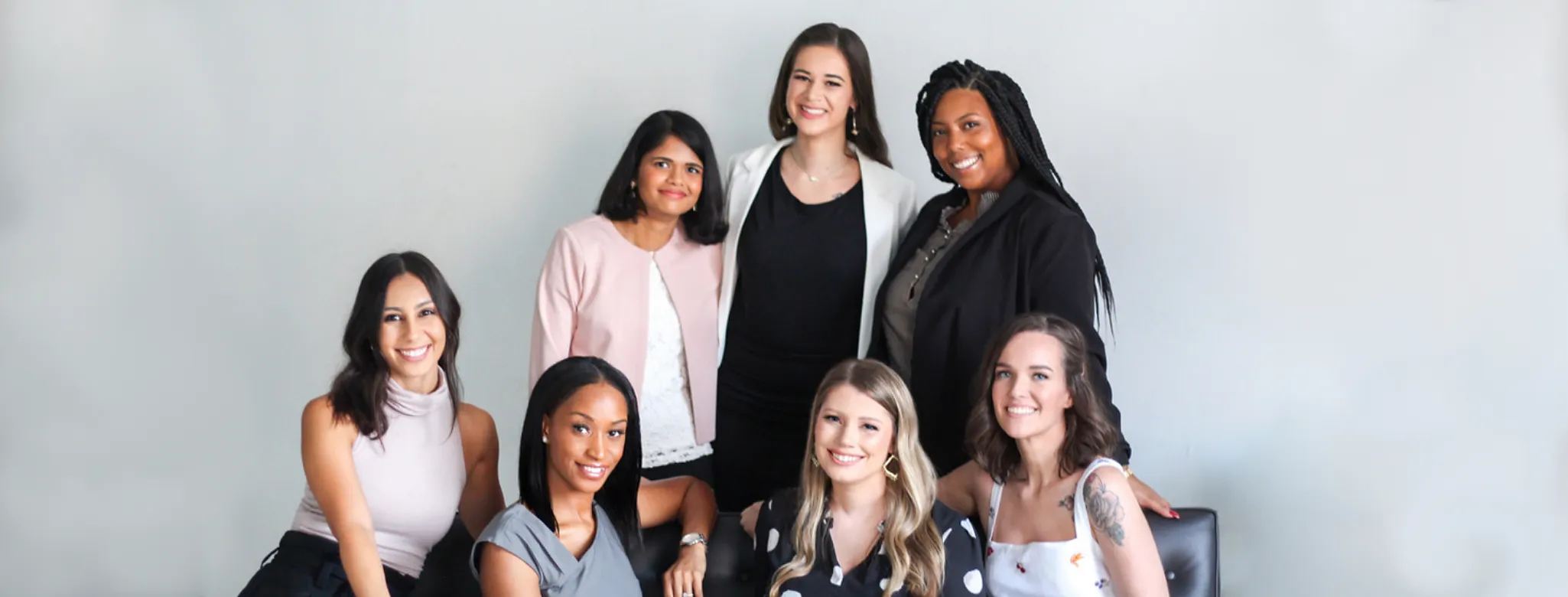
In your twenties, it is only natural to search for direction, and for this generation of young adults, Gen Z, that search often begins with what they see. This version of the professional woman is certainly something to admire and, ultimately, something many strive toward. We see them daily in coffee shops, offices, and co-working spaces: young women carrying Stanley cups, tote bags, pastel lunch kits, and the essential laptop. They sit quietly, but their ambition speaks loudly as they pursue their dreams of becoming "that corporate girl."
One might ask: but is this Caribbean?
Some may read this and conclude that it is simply a first-world phenomenon, detached from the Caribbean experience. But the truth is that, much like other global trends, this version of professional womanhood has found its way onto our shores. Caribbean young professional women are increasingly expected to embody a version of success that goes beyond the hardworking, resilient female identity often associated with our ancestors. Today, she must also represent polish, discipline, and endless productivity.
Yet beneath the aesthetic of having it all together lies something more complex: pressure.
Pressure to succeed. Pressure to prove competence. Pressure to look the part. Pressure to excel professionally while somehow maintaining wellness, femininity, emotional stability, and a personal life. Pressure to balance it all.
For young women in professional spaces, there is a quiet pressure that lingers in hallways, while the kettle whistles in the office kitchen, and behind the glow of a large monitor. It is the constant need to prove capability in order to be taken seriously.
Despite advances in education, increased workforce participation, and the growing number of female middle managers, women across the Caribbean still face inequalities in leadership opportunities, pay, and workplace expectations. The question is no longer whether gender inequality exists, but whether it has evolved into something so subtle that we struggle to name it. A mix of gender bias and age discrimination. Some territories refer to it as workplace youngism. And it often hides behind performance culture.
Professional performance has become deeply embedded in the corporate-girl lifestyle. It becomes a measure of identity. Many young women begin defining themselves by how well they perform. But somewhere along the way, one has to wonder how success shifted from something to pursue to something to perform.
So she starts showing up early, staying late, replying to emails after hours, and making herself visible.
In many Caribbean workplaces, visibility is what is quietly rewarded. Presence is valued. Being seen matters. Sometimes, this cultural emphasis on presence matters more than a person's actual outcomes.
Presenteeism Culture
This culture has a name: presenteeism. It is the pressure to remain visibly engaged at work, even when exhausted, overwhelmed, or mentally checked out. Research increasingly shows that productivity is often mistaken for constant availability. Yet economists and workplace experts argue that burnout ultimately reduces performance.
So what should define performance? And does the quiet pressure experienced by women in their twenties lead to growth or decline?
Perhaps this is where many young professional women begin to unravel.
The truth is that burnout rarely announces itself dramatically. It often arrives quietly. It appears as unexplained exhaustion, emotional numbness, persistent anxiety, or simply not having enough sick days to recover.
After months—or even years—of carrying too much, the question begins to shift from, "Do I actually want this?" to "Am I simply performing what society says success is supposed to look like?"
The Real Problem
Perhaps the quiet pressure facing young professional women is not ambition itself. Ambition is not the enemy, nor is growth. The real problem may be the version of ambition many of us have inherited: one built on constant self-proof, endless productivity, and the expectation that we can balance everything while making it look effortless.
Young professional women deserve careers that challenge and inspire them. But they also deserve lives beyond performance—lives that include hobbies, boundaries, rest, joy, and an identity that exists beyond a job title.
Because success should feel like something we are building, not something we are constantly performing and struggling to maintain.
%2520(2)-1.jpg%3F2026-06-08T18%253A05%253A34.059Z&w=1920&q=100)
Shakira Mills
About the Author
%2520(2)-1-300x200.jpg&w=1920&q=75)
Shakira Mills
Contributor
Shakira Mills writes about the realities young professional women face as they navigate work, ambition, and identity in the Caribbean. With a background in strategic planning and a Master’s focus in Gender and Development Studies, she is passionate about exploring workplace culture, confidence, and the quiet experiences women often navigate behind professional success. She is the founder of Corporate Girl Things, a platform and community that helps Caribbean young professional women navigate confidence, culture, and career through relatable conversations, stories, and support, and of Serenity Motivated, an empowerment platform focused on growth, purpose, and motivation. Shakira is also the author of The Come Up: Basic Empowerment Strategies and is passionate about creating spaces where young women feel seen, supported, and empowered to thrive.