Opinion: Cleanliness campaigns won't save the Caribbean from itself
Key Points(5)
- The Caribbean's identity is built around breathtaking beaches, lush mountains, crystal-clear rivers and postcard-perfect coastlines.
- Our tourism brochures sell paradise to the world, yet too often the reality tells a different story.
- Just beyond the camera's frame sits an overflowing skip, an illegal dump, a clogged gully or a roadside littered with plastic bottles, food containers and household waste.
- It is one of the region's greatest contradictions.
- We live in some of the most naturally beautiful countries on Earth, yet many of us treat those spaces with scant regard.
The Caribbean's identity is built around breathtaking beaches, lush mountains, crystal-clear rivers and postcard-perfect coastlines. Our tourism brochures sell paradise to the world, yet too often the reality tells a different story. Just beyond the camera's frame sits an overflowing skip, an illegal dump, a clogged gully or a roadside littered with plastic bottles, food containers and household waste.
It is one of the region's greatest contradictions. We live in some of the most naturally beautiful countries on Earth, yet many of us treat those spaces with scant regard.
Over the years, Caribbean governments, environmental agencies and corporate partners have invested millions in public education campaigns aimed at changing this behaviour. We have become familiar with the slogans, the advertisements and the annual community clean-up exercises. We know what littering does to marine ecosystems, wildlife, public health and tourism. The information is no longer the problem.
The culture is.
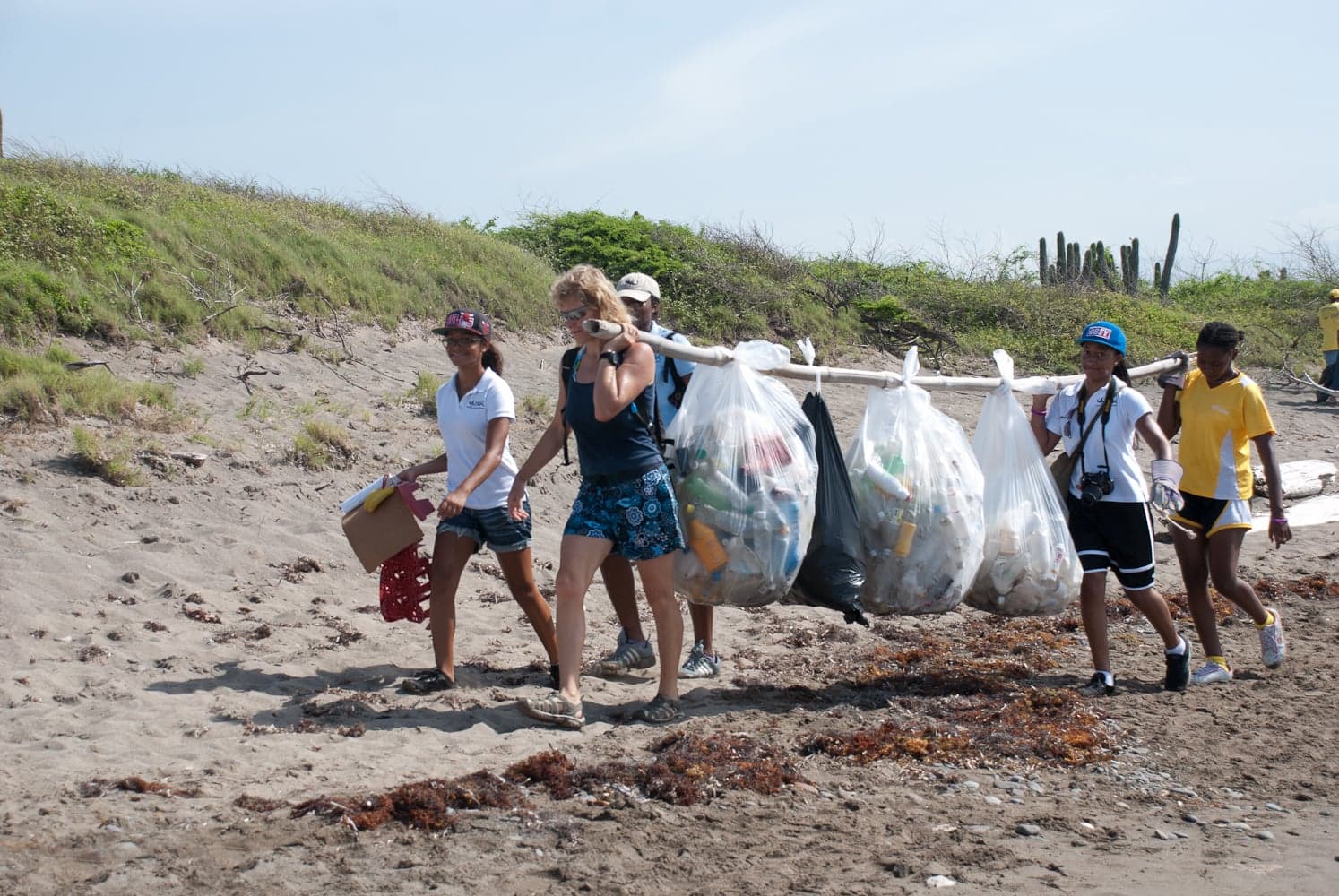
Across the region, environmental initiatives continue to receive enthusiastic support, at least on designated clean-up days. Volunteers arrive wearing branded T-shirts. Corporate teams pose with bags of collected garbage. Politicians roll up their sleeves for photo opportunities, and social media is flooded with images celebrating environmental stewardship. But after the cameras disappear, so too does much of the commitment.
The following weekend, the same beaches, gullies, roadsides and riverbanks begin collecting fresh piles of garbage, often from the very communities that participated in the clean-up.
That uncomfortable truth is one we rarely confront honestly.
Recently, several organisations in St. Vincent and the Grenadines, including the Ministry of Tourism, partnered to launch the "Love SVG" cleanliness initiative during Vincy Mas. The campaign encouraged both residents and visitors to dispose of their garbage responsibly throughout the carnival season.
It is a worthwhile initiative.
Carnival should absolutely be a celebration of culture and music. There is nothing wrong with enjoying Jab Jab, J'Ouvert or any of the festivities. But why has leaving behind mountains of plastic cups, food containers, bottles and general waste become accepted as simply "part of the celebration"?
The same question applies throughout the Caribbean.
Why must every major event end with streets looking like disaster zones?
Jamaica has been asking similar questions for years. In 2015, the Jamaica Environment Trust (JET), in partnership with the Tourism Enhancement Fund (TEF), launched the "Nuh Dutty Up Jamaica" campaign. The message was simple, memorable and supported by catchy advertising that most Jamaicans can still recite today.
Yet more than a decade later, the campaign has struggled to produce the cultural transformation it envisioned.
Drive almost anywhere across the island and the evidence is impossible to ignore. Garbage lines roadways. Plastic bottles float through rivers and streams. Household waste accumulates in gullies. Vacant lots become unofficial dumps.
Then comes heavy rainfall, transforming blocked drains into torrents that carry tonnes of solid waste into the sea while communities battle flooding that is, in many cases, entirely preventable.
We cannot continue blaming only poor infrastructure or inadequate garbage collection.
Individual responsibility matters.
Too many people do not care where their garbage ends up once it leaves their hands. That may sound harsh, but our everyday behaviour suggests exactly that.
The laws are not entirely absent. In Jamaica, penalties for illegal dumping range from relatively small fines for minor littering offences to fines of up to J$1 million for more serious breaches under the National Solid Waste Management Act. Serious violations may even attract imprisonment of up to nine months. On paper, those penalties should act as strong deterrents. In reality, illegal dumping sites continue to appear across the country, while prosecutions remain relatively rare. Laws without consistent enforcement quickly lose their power.
However, enforcement alone cannot solve what is fundamentally a cultural issue.
The cleanest countries in the world are not necessarily those with the harshest penalties. They are often societies where people regulate themselves because keeping public spaces clean has become part of their shared identity.
The Caribbean has not yet reached that point.
Environmental stewardship cannot be something we perform once a year for International Coastal Cleanup Day or during a government campaign. It cannot be limited to a corporate volunteer exercise or a public relations opportunity.
It must become a habit.
Children should grow up believing that throwing garbage from a car window is unacceptable. Adults should challenge friends and relatives who litter. Event promoters should provide adequate waste disposal facilities, and patrons should use them. Communities should take pride in maintaining the spaces they occupy every day, not only when visitors are expected.
Ultimately, governments can launch campaigns. Environmental groups can educate. Businesses can sponsor clean-up projects. But none of those efforts will succeed unless ordinary citizens decide that living in paradise also comes with the responsibility of protecting it.
The Caribbean deserves better than to be known for its natural beauty and its unnecessary garbage problem. Perhaps the most difficult question we must ask ourselves is not why our countries remain dirty. It is why, despite knowing better, too many of us continue behaving as though cleanliness is always someone else's responsibility.