St. Kitts and Nevis Prime Minister urges energy conservation amid rising fuel costs
Key Points(3)
- <!-- wp:paragraph --> <p>In an effort to combat the escalating fuel subsidy crisis, St.
- Kitts and Nevis Prime Minister, Dr.
- And of course it does not respond to the fluctuation of oil prices on international market.
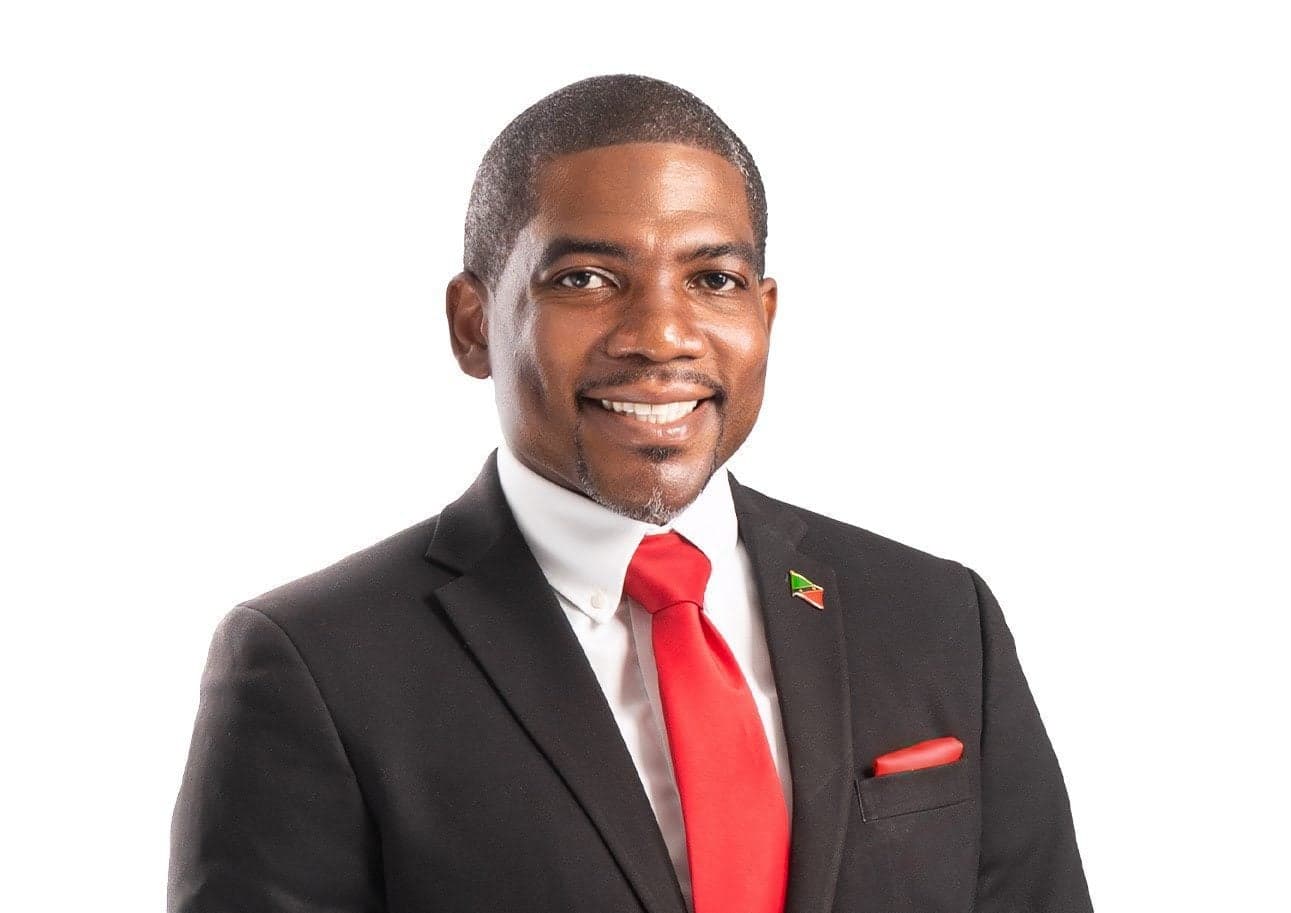
In an effort to combat the escalating fuel subsidy crisis, St. Kitts and Nevis Prime Minister, Dr. Terrance Drew, has called upon residents to make conscious efforts to reduce their power consumption.
The Prime Minister expressed concern about the financial strain placed on the government, emphasizing that the yearly EC$100 million fuel subsidy had become untenable.
Furthermore, external factors, including the ongoing conflict in Ukraine, have added to the volatility of oil and gas prices, compounding the fiscal challenge.
Renewable energy as a viable solution
Drew emphasized the urgency of transitioning to renewable energy sources, citing their cost-effectiveness and insulation from global oil price fluctuations.
During a recent appearance on local Freedom FM, he stated, “What we are seeking to do from the national level is to switch to renewable energy, which is cheaper. And of course it does not respond to the fluctuation of oil prices on international market. So if there is a war in Europe, it wouldn't affect our energy cost as it is right now.”
He added that adopting renewable options such as solar and geothermal energy would substantially reduce energy expenses for the nation’s residents.
Lower electricity costs for residents and businesses
Drew highlighted that lower electricity costs would have a positive ripple effect on the overall economy, resulting in St. Kitts and Nevis residents paying less for goods and services.
This reduction in the cost of living could potentially alleviate financial burdens for households and local businesses.
Measures to conserve energy
The Prime Minister outlined simple, practical steps that individuals and households can take to conserve energy and contribute to the national effort.
These measures include turning off lights when not in use, avoiding excessive ironing by doing it in bulk, and unplugging electronic devices and chargers when they are not actively in use.
He stressed that if every household embraced these practices, it would collectively lead to a significant reduction in energy consumption and, consequently, a notable impact on the nation's energy costs.
A call for responsible energy consumption
Drew appealed to the sense of responsibility of St. Kitts and Nevis residents, underlining that the island’s sustainable future hinges on prudent energy consumption.
The latest news from St Kitts and Nevis & the Caribbean
Read more articles about St Kitts and Nevis from Caribbean National Weekly