South Florida mayors push back against state order to remove license plate readers
Key Points(5)
- The Florida Department of Transportation has directed all law enforcement agencies to remove license plate readers, like Flock, on all roads part of the State Highway System.
- In response, agencies like the Hernando County Sheriff’s Office have announced they will be removing the cameras.
- “Prior to this state directive, the Hernando County Sheriff’s Office had already proactively initiated the removal of Flock ALPR cameras previously located along county-maintained rights-of-way,” the sheriff’s office wrote.
- “This removal applies strictly to public right-of-way installations and does not affect the approximately 20 privately owned and operated ALPR cameras located on commercial properties and private developments throughout Hernando County.” The announcement comes after Gov.
- Ron DeSantis doubled down on his concern over Flock cameras and other forms of AI surveillance in Florida on Monday.
A group of South Florida mayors is urging Florida officials to reconsider a directive requiring law enforcement agencies to remove automated license plate readers from state roads within 30 days, warning that the move could undermine public safety.
Miami Beach Mayor Steven Meiner is leading the effort, calling on Gov. Ron DeSantis and Florida Department of Transportation Secretary Jared W. Perdue to pause enforcement of the removal deadline while state and local officials work toward stronger oversight of the technology.
“I share the state's respect for privacy rights and recognize the legitimate concerns that prompted the decision,” Meiner wrote in a Sept. 1 letter. “But a blanket revocation with no transition plan puts public safety at risk.”
The version of the letter shared by Meiner includes signatures from the mayors of Bay Harbor Islands, Bal Harbour Village, Aventura, Sunny Isles Beach, Golden Beach and Indian Creek Village. Meiner said additional mayors joined the effort after the letter was sent and that more could sign on.
The dispute follows an FDOT directive ordering law enforcement agencies to remove license plate recognition systems from roads that are part of the State Highway System.
State law allows FDOT to issue permits to local law enforcement agencies for license plate reader systems, but the department said a “recent exponential increase” in cameras on state roads required intervention to “preserve Floridians’ sovereignty and quality of life.”
Because the permits are temporary, FDOT revoked all approvals related to the systems and gave law enforcement agencies 30 days to remove the cameras from state rights-of-way.
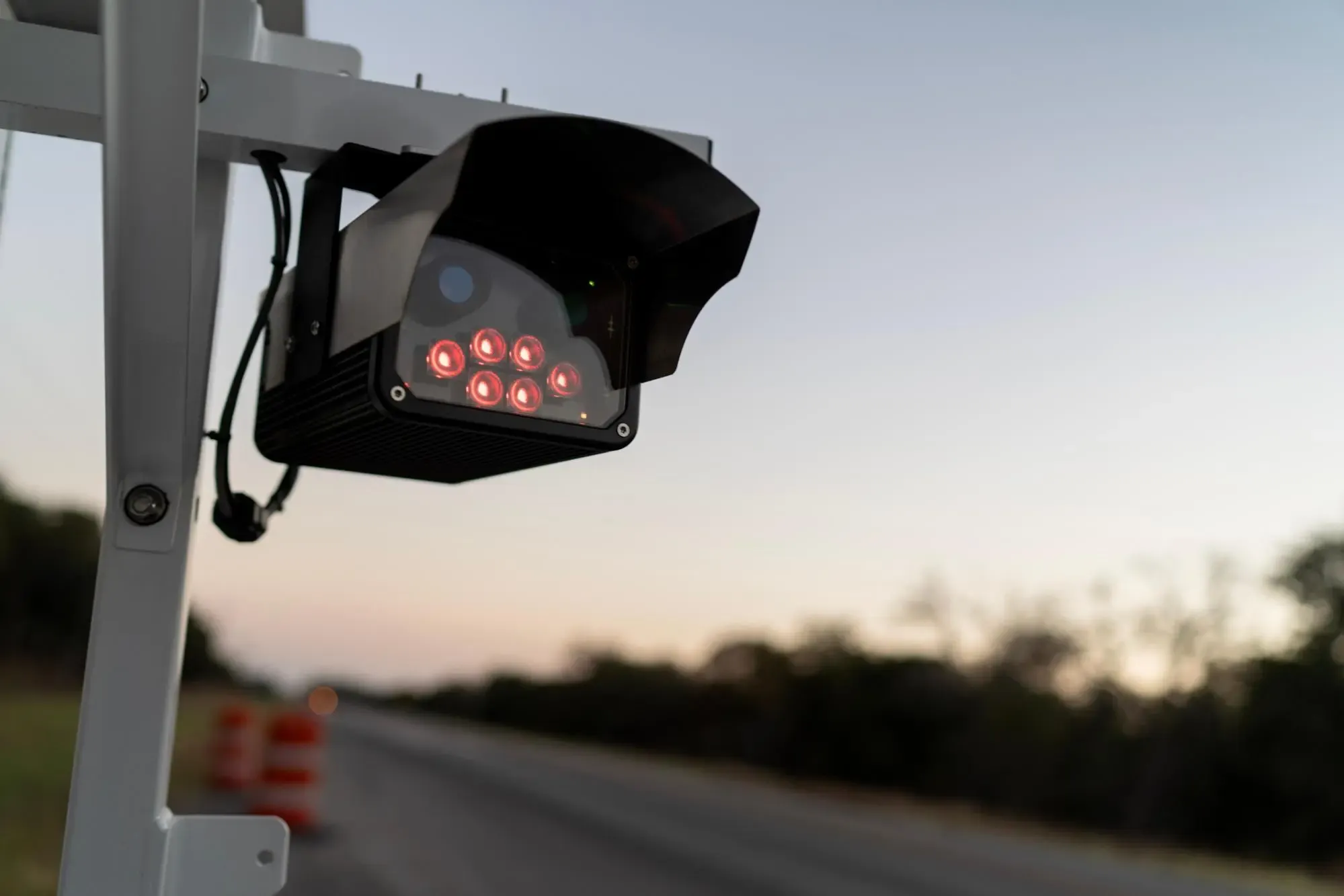
Automated license plate readers capture images of vehicle license plates and can also collect information such as a vehicle’s make, model and color.
The state action comes amid concerns about privacy and how information collected by the cameras is stored, accessed and shared.
“Where is this data going?” DeSantis said while raising concerns about the technology. “They claim the companies aren't going to misuse it, but no one is watching that.”
Meiner acknowledged concerns surrounding data retention, access and oversight but argued that the statewide directive fails to distinguish between responsibly managed local programs and systems that may have been misused.
“I'm asking for a balanced approach with real oversight addressing privacy concerns, not an outright ban,” Meiner wrote. “Our residents deserve both privacy and safety.”
The mayors are asking the state to suspend enforcement of the deadline while officials consult affected municipalities. They also want a process allowing local law enforcement agencies to seek continued use of the systems under enhanced state oversight, audits and data-governance standards.
The group is also calling for municipalities and local law enforcement agencies to have a role in developing any statewide regulations governing license plate readers and wants the state to establish criteria distinguishing responsibly operated programs from cases of misuse.
Meiner said the technology has become an important crime-fighting tool for Miami Beach police, helping officers track fleeing suspects, recover stolen vehicles, seize illegal weapons and drugs, and investigate violent crimes.