Reggae Genealogy Festival pre-event panel to discuss Jamaican music gentrification
Key Points(5)
- The discussion will be moderated by radio personality G Cole, host of the podcast <em>Homegrown with G Cole.</em> Tickets for the event are available for $15 pre-sold or $20 at the door and can be purchased at <a href="http://reggaegenealogy.org/panel2025">reggaegenealogy.org/panel2025</a>.
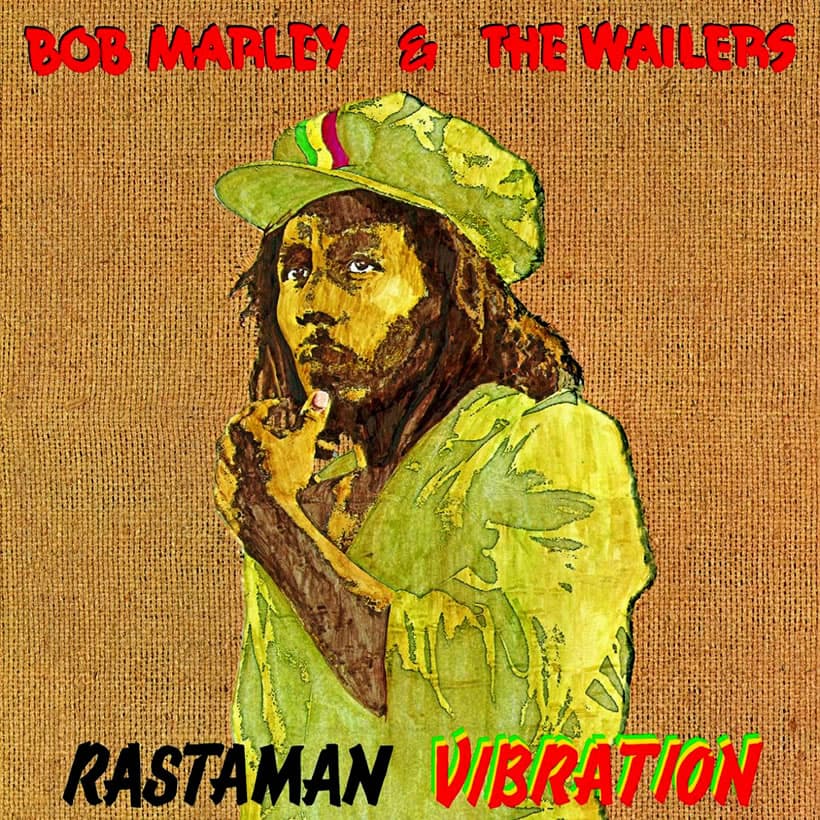
- The panel will delve into the origins and evolution of modern reggae and dancehall, focusing on the genre’s global influence and the perceived shift in its creative direction.
- Jamaican music, historically a trendsetter and cultural beacon, is now often seen as incorporating trends from other genres rather than leading the way.
- The discussion aims to examine whether this evolution represents growth or a loss of originality and its implications for the future of reggae as the Caribbean’s most iconic genre.
- <h2>Reggae Genealogy Music Festival</h2> This panel serves as a prelude to the highly anticipated Reggae Genealogy music festival, which will take place on Sunday, February 2, 2025.
In the lead-up to the second annual Reggae Genealogy music festival, Island SPACE Caribbean Museum is set to host a thought-provoking panel discussion on “The Gentrification of Jamaican Music.”
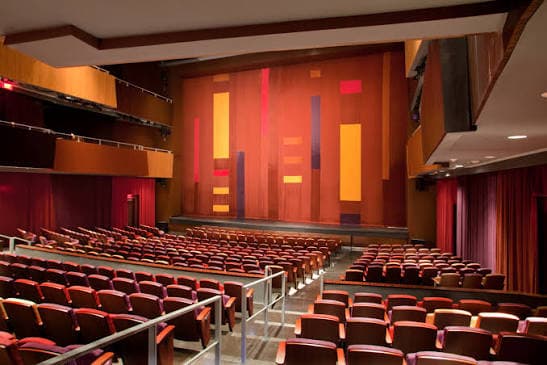
The event will take place on Saturday, January 18, from 5-8 p.m. at the museum, located at the northeast entrance of Broward Mall in Plantation, Florida.
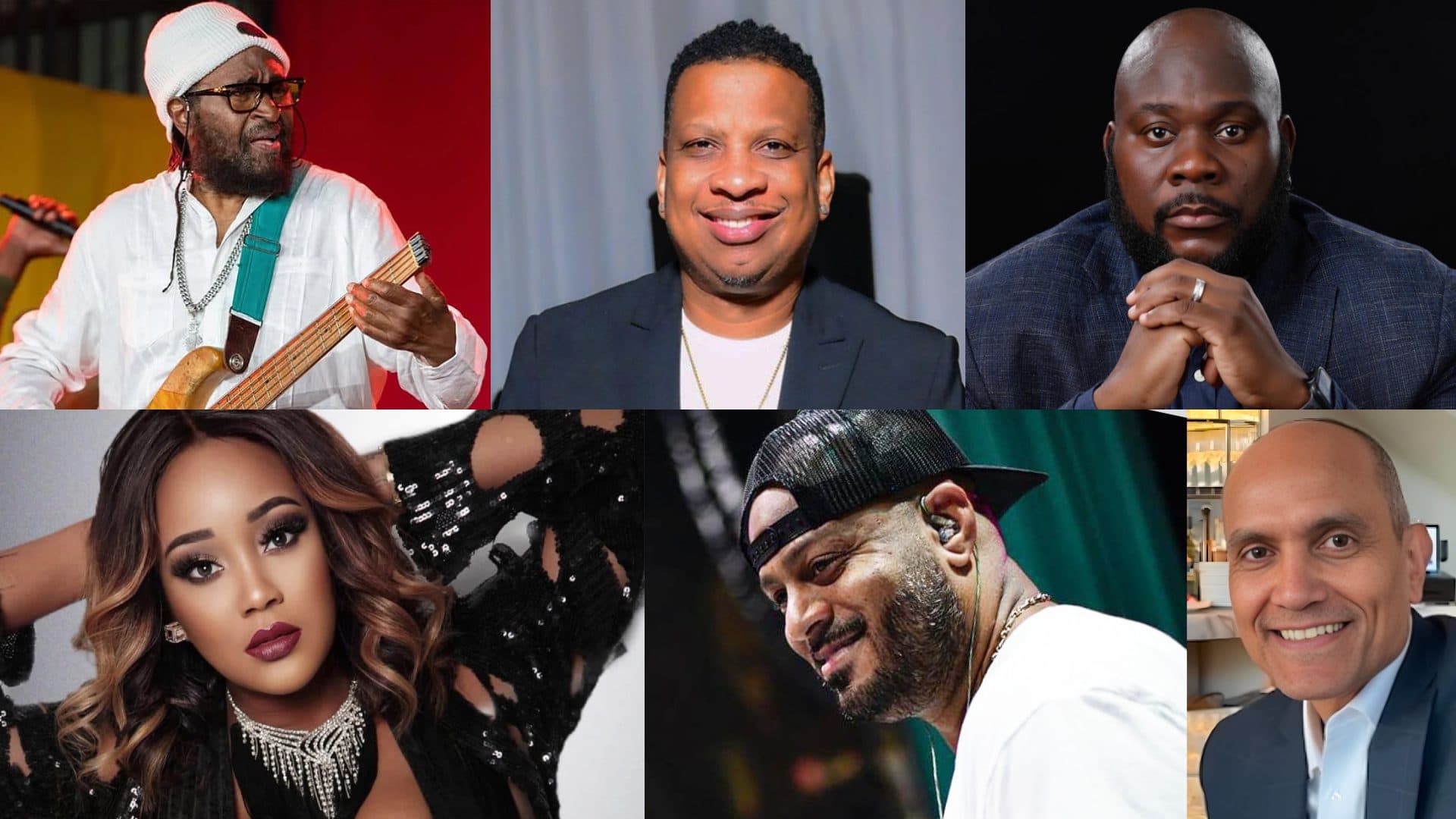
The panel will feature an impressive lineup of reggae music industry experts, including Ian Lewis of Inner Circle, Grammy Award-winning producer Jason “J-Vibe” Farmer, Vice President of Sales at VP Records Aaron Talbert, Grammy Award-winning artist and influencer Tifa, and selector and entrepreneur Supa Twitch. The discussion will be moderated by radio personality G Cole, host of the podcast Homegrown with G Cole. Tickets for the event are available for $15 pre-sold or $20 at the door and can be purchased at reggaegenealogy.org/panel2025. The panel will delve into the origins and evolution of modern reggae and dancehall, focusing on the genre’s global influence and the perceived shift in its creative direction. Jamaican music, historically a trendsetter and cultural beacon, is now often seen as incorporating trends from other genres rather than leading the way. The discussion aims to examine whether this evolution represents growth or a loss of originality and its implications for the future of reggae as the Caribbean’s most iconic genre.