Trinidadian-American Filmmaker Keisha Bissram is bringing Indo-Caribbean stories to the center of the screen
Key Points(5)
- For generations, Indo-Caribbean communities have shaped the cultural fabric of Trinidad and Tobago, Guyana, Suriname and the wider Caribbean.
- Yet despite their significant contributions to the region's history and identity, their stories have remained largely absent from film and television.
- Trinidadian-American filmmaker, writer and actress Keisha Bissram is helping change that.
- Through films rooted in family, identity and cultural memory, Bissram is creating space for Indo-Caribbean women and their experiences to be seen with authenticity and nuance.
- Rather than relying on stereotypes, her work explores the richness of everyday life—capturing the traditions, relationships and emotional complexities that define many Indo-Caribbean families.
For generations, Indo-Caribbean communities have shaped the cultural fabric of Trinidad and Tobago, Guyana, Suriname and the wider Caribbean. Yet despite their significant contributions to the region's history and identity, their stories have remained largely absent from film and television.
Trinidadian-American filmmaker, writer and actress Keisha Bissram is helping change that.

Through films rooted in family, identity and cultural memory, Bissram is creating space for Indo-Caribbean women and their experiences to be seen with authenticity and nuance. Rather than relying on stereotypes, her work explores the richness of everyday life—capturing the traditions, relationships and emotional complexities that define many Indo-Caribbean families.
"I started realizing how absent Indo-Caribbean stories were from film and television. I didn't see families like mine, women like the ones I grew up around, or the specific humor, resilience and contradictions that existed in our households," Bissram told About Her Culture.
That realization became the catalyst for her work behind the camera.
A More Complete Caribbean Story
As global audiences embrace Caribbean storytelling, Bissram believes authentic representation must reflect the full diversity of the region.
Her work highlights a reality that has long existed but has rarely been portrayed on screen: the Caribbean is home to multiple cultures, histories and identities, each deserving of thoughtful representation.
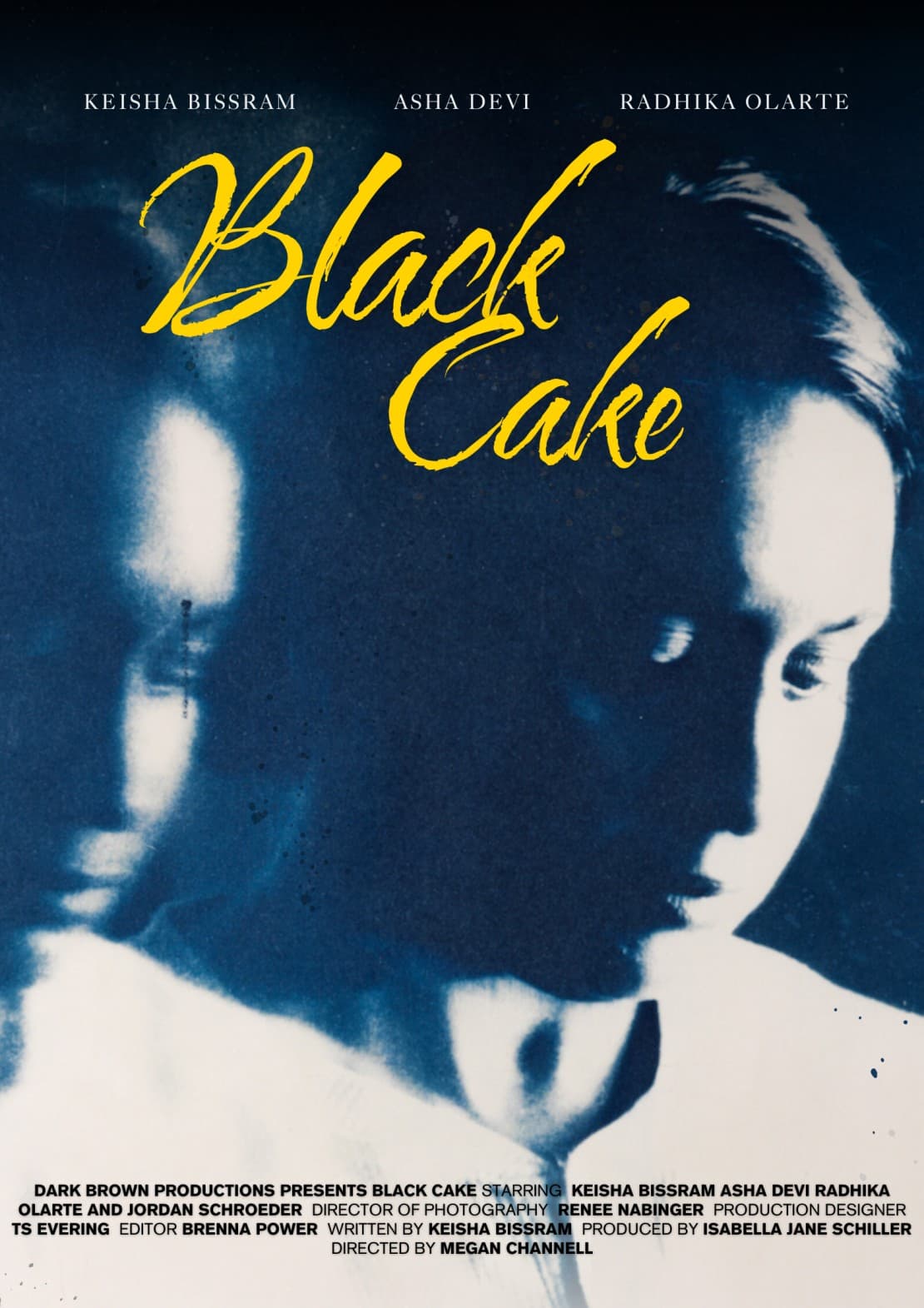
Her award-winning short film Black Cake follows an Indo-Caribbean woman navigating grief after the death of her mother while confronting questions of family, tradition and identity during the Christmas season. The story explores the emotional inheritance passed from one generation of women to the next and the quiet ways culture is preserved within families.

The film draws inspiration from women Bissram has known throughout her life.
"I grew up around Indo-Caribbean women who were hilarious, resilient, emotionally complicated, deeply giving, stubborn, loving, and exhausted all at once. They carried entire households, traditions, recipes, relationships and emotional burdens quietly for years without recognition."
Rather than portraying these women through familiar stereotypes, Bissram presents them as fully realized individuals whose lives reflect both strength and vulnerability.
Celebrating Culture Through Storytelling
Much of Bissram's work focuses not only on challenges but also on joy.
From holiday traditions and family recipes to music, language and celebrations, her films embrace the everyday moments that often define cultural identity but are rarely documented on screen.
That perspective is reflected in About Her Culture's recent editorial series exploring Indo-Caribbean heritage, which argues that preserving these stories is essential to understanding the Caribbean's cultural landscape.
For many members of the diaspora, particularly younger generations, authentic storytelling offers an opportunity to connect with traditions that might otherwise fade over time.
Creating the Stories She Wanted to See
Rather than waiting for the entertainment industry to recognize Indo-Caribbean voices, Bissram chose to create opportunities herself.
"I got tired of waiting for someone else to represent me. If anyone was going to bring my talents to the spotlight, it would be me."
That decision has become the foundation of a growing body of work dedicated to expanding how Caribbean stories are told.
As more filmmakers from across the region bring their own lived experiences to the screen, audiences gain a richer understanding of the Caribbean—not as a single narrative, but as a tapestry of cultures, histories and identities.
For Bissram, telling Indo-Caribbean stories is about more than representation. It is about preserving memory, celebrating culture and ensuring future generations can recognize themselves in stories that feel honest, familiar and deeply rooted in home.