Preliminary report details final minutes before Bahamas plane crash that killed 10
Key Points(5)
- The Bahamas’ Aircraft Accident Investigation Authority has released its preliminary report into the July 10 crash of a Flamingo Air aircraft near San Andros Airport that killed all 10 people aboard.
- The report provides new details about the aircraft’s movements, the pilot’s experience, the condition of the wreckage and the airline’s regulatory history, but investigators have not determined what caused the crash.
- The Cessna 402C, registered as C6-FLX, departed Lynden Pindling International Airport in Nassau at about 12:30 p.m.
- on its third outbound flight to San Andros in North Andros.
- The aircraft had taken on 60 gallons of aviation gasoline and had completed two round trips before the fatal flight, according to the preliminary report.
The Bahamas’ Aircraft Accident Investigation Authority has released its preliminary report into the July 10 crash of a Flamingo Air aircraft near San Andros Airport that killed all 10 people aboard.
The report provides new details about the aircraft’s movements, the pilot’s experience, the condition of the wreckage and the airline’s regulatory history, but investigators have not determined what caused the crash.
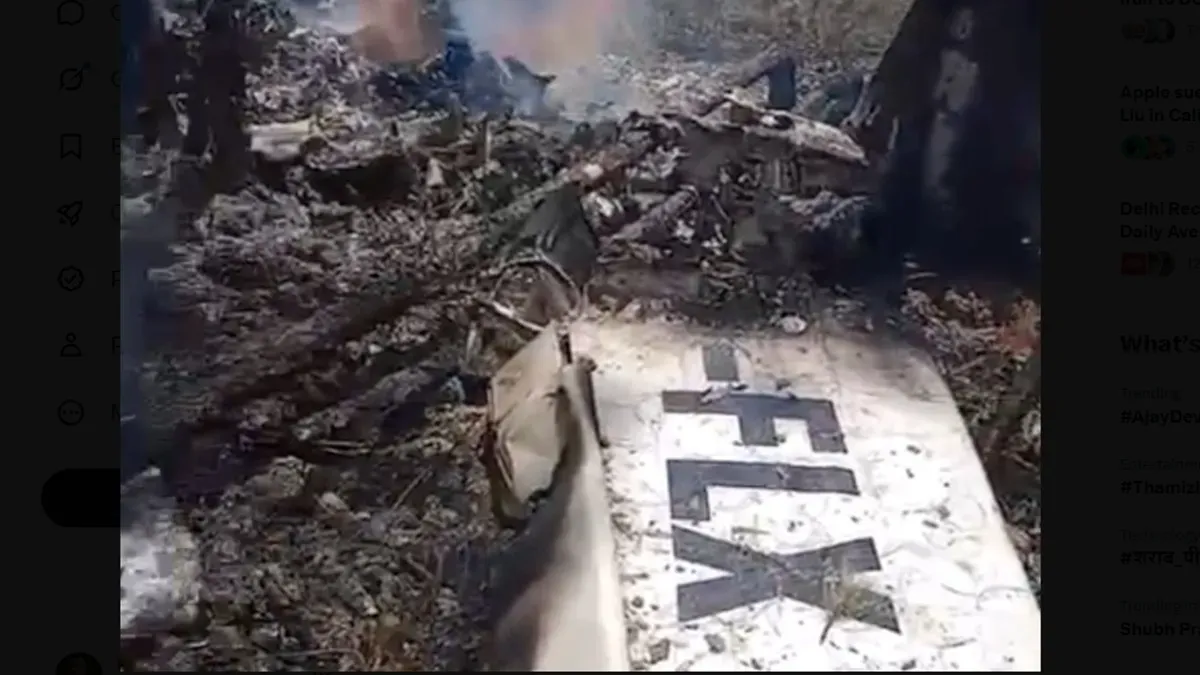
The Cessna 402C, registered as C6-FLX, departed Lynden Pindling International Airport in Nassau at about 12:30 p.m. on its third outbound flight to San Andros in North Andros.
The aircraft had taken on 60 gallons of aviation gasoline and had completed two round trips before the fatal flight, according to the preliminary report. Investigators did not establish when the fuel was loaded and made no finding linking the amount of fuel purchased or the aircraft’s earlier flights to the crash.
Radar data provided investigators with a minute-by-minute account of the aircraft’s final 18 minutes.
At about 12:41 p.m., C6-FLX canceled air traffic services while approximately 10 nautical miles east of San Andros Airport.
Two minutes later, the aircraft made a slight right turn onto a northwesterly track consistent with joining the traffic pattern for Runway 12 at an altitude of about 2,500 feet.
By about 12:46 p.m., the aircraft had made a left turn consistent with the traffic pattern and was descending through approximately 1,800 feet.
The final radar return, recorded at about 12:48 p.m., showed the aircraft at approximately 300 feet and traveling at an indicated airspeed of 62 knots.
While on final approach, the aircraft struck tall pine trees in a heavily wooded area. Investigators determined that the left wing made the initial contact.
The aircraft then continued through the trees, deviating from its alignment with Runway 12 before coming to rest approximately one nautical mile from San Andros Airport.
A post-impact fire consumed and destroyed the aircraft.
One male passenger was able to evacuate the aircraft after the crash but later died from his injuries.
Investigators said the distribution of the wreckage appeared consistent with a “low velocity, low angle impact.”
The aircraft’s nose and main landing gear were found in the extended position, as were both flaps. Investigators said the configuration suggested the aircraft was configured for landing before impact.
The report also noted differences in the condition of the aircraft’s two propellers.
The left engine was damaged by a combination of fire and impact forces. Its propeller remained attached to the hub and showed minimal signs of impact damage to its three blades.
The right engine was extensively damaged by fire and impact forces. Its propeller also remained attached, but all three blades showed substantial impact damage and were twisted and bent.
The main debris field covered approximately 2,455 square feet, while an outer debris zone extended across approximately 15,500 square feet. The left-wing navigation light was the furthest identified piece of aircraft debris, found about 85 feet from the main wreckage.
Experienced pilot aboard
The aircraft was piloted by 45-year-old Franklyn Cambridge, who had accumulated more than 13,000 hours of total flight experience, according to investigators.
Cambridge had approximately 10,000 hours aboard the De Havilland Dash 8-300 and about 1,680 hours aboard the ATR 42/72. Approximately 200 of his documented flight hours were aboard the Cessna 402C.
He held a commercial pilot certificate with single-engine, multiengine and instrument ratings.
His most recent proficiency check for commercial air transport operations aboard the Cessna 402C was conducted April 29, less than three months before the crash, and was completed satisfactorily.
The nine passengers killed were Giovanni McKenzie, Rashad Storr, Mateo Winder, Toniquea Gilot, Tra’vis Johnson, Melvin Henfield, Quintin Myers, Macaro Rolle and 16-year-old Nicholas Oliver Jr.
The aircraft had accumulated 16,314 hours of total time.
C6-FLX was not equipped with a flight data recorder or cockpit voice recorder. The AAIA said neither device was required under the applicable aviation regulations.
At the time of the crash, the aircraft had a valid Certificate of Registration through April 2027 and a valid Certificate of Airworthiness through May 2029.
Flamingo Air also held a valid Air Operator Certificate issued in April 2026 and valid through April 2028.
Flamingo Air had faced previous suspension
The preliminary report also details the airline’s regulatory history, noting that the Civil Aviation Authority Bahamas previously suspended Flamingo Air’s operations in October 2023.
Following the July 10 crash, the regulator again issued an immediate suspension of Flamingo Air’s operations as a precautionary safety measure, citing two safety-related occurrences involving the airline that day.
The AAIA emphasized that the report is preliminary and contains factual information gathered during the first 30 days of the investigation.
Investigators have not determined any conclusions, contributing factors or probable cause.
The investigation remains ongoing.