PCOS is now PMOS: Why experts renamed a condition affecting 1 in 8 women
Key Points(5)
- For decades, millions of women have known the common hormonal condition as polycystic ovary syndrome, or PCOS.
- But as the world marks awareness month for the condition this September, it has a new name: polyendocrine metabolic ovarian syndrome, or PMOS.
- The condition can affect menstrual cycles, fertility, metabolism, skin and hair, as well as long-term physical and psychological health.
- Despite its prevalence, experts say the old name has contributed to confusion about what the condition actually is.
- Why did PCOS become PMOS?
For decades, millions of women have known the common hormonal condition as polycystic ovary syndrome, or PCOS. But as the world marks awareness month for the condition this September, it has a new name: polyendocrine metabolic ovarian syndrome, or PMOS.
The change, announced earlier this year following a global consensus process, is intended to better reflect what scientists now understand about the condition — and eliminate a long-standing misconception embedded in the term "polycystic."
PMOS affects an estimated one in eight women and more than 170 million women of reproductive age worldwide, according to a consensus report published in The Lancet in May. The condition can affect menstrual cycles, fertility, metabolism, skin and hair, as well as long-term physical and psychological health.
Despite its prevalence, experts say the old name has contributed to confusion about what the condition actually is.
Why did PCOS become PMOS?
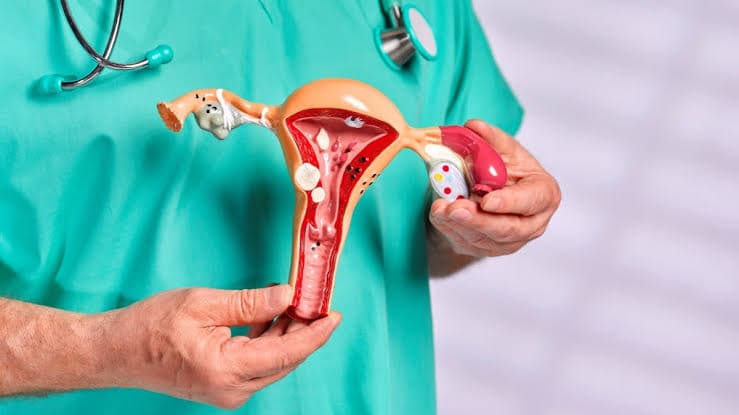
One of the biggest problems with "polycystic ovary syndrome" is that women with the condition do not necessarily have ovarian cysts.
In fact, the structures commonly seen on the ovaries of some patients are follicles rather than pathological cysts, and their presence is not required in all patients for a diagnosis.
The Lancet consensus report said the old name inaccurately implied the presence of ovarian cysts while obscuring the condition's wide-ranging endocrine and metabolic features. Experts said the terminology could contribute to misunderstanding, delayed diagnosis, fragmented care and stigma.
The problem with the name has been recognized for years. A U.S. National Institutes of Health workshop recommended as far back as 2012 that a new name be considered because the existing terminology did not adequately describe the condition.
Momentum for a change grew as researchers learned more about its effects beyond the ovaries.
PMOS can involve disturbances in insulin, androgens and other hormones and is associated with metabolic issues including dysglycemia, Type 2 diabetes, high blood pressure and abnormal cholesterol levels. It can also cause irregular menstrual cycles, problems with ovulation, infertility, acne, excess facial or body hair and thinning scalp hair.
People with the condition can also experience anxiety, depression and reduced quality of life.
What does PMOS mean?
The new name — polyendocrine metabolic ovarian syndrome — was deliberately chosen to reflect the broader nature of the condition.
"Polyendocrine" recognizes that multiple hormonal systems are involved, while "metabolic" acknowledges the important metabolic features of the disorder. "Ovarian" retains the connection to ovarian dysfunction without incorrectly suggesting that cysts define the condition.
The new terminology emerged from a multistep international consensus process involving 56 leading patient, clinical and academic organizations.
Researchers built on 7,708 previous survey responses and conducted two additional global surveys that generated 14,360 responses from 10,411 people living with the condition and 3,949 health professionals. Participants represented regions around the world.
Researchers also conducted workshops and considered whether the new terminology would be scientifically accurate, easy to communicate, culturally appropriate and less stigmatizing.
Ultimately, "polyendocrine metabolic ovarian syndrome" received consensus support.
More than a reproductive condition
The name change also seeks to address another misconception: that PMOS is primarily a fertility or gynecological disorder.
While problems with ovulation, menstruation and fertility are important features, researchers increasingly describe PMOS as a multisystem condition with effects that can extend well beyond a woman's reproductive years.
That distinction matters because focusing primarily on periods, ovaries and fertility can mean other health risks receive less attention.
The consensus report noted that the old terminology had helped reinforce a reproductive focus and failed to adequately capture the condition's endocrine, metabolic, psychological and dermatological features.
Diagnosis can already be challenging because PMOS does not look the same in everyone.
Some women may seek medical care because of irregular or absent periods, while others first notice persistent acne, excess facial hair, scalp hair thinning or difficulty becoming pregnant. Metabolic problems can also be part of the condition.
Researchers estimate that as many as 70% of affected people may remain undiagnosed.
The old name won't disappear overnight
Patients may continue seeing both PCOS and PMOS for some time.
The international group behind the change has opted for a gradual transition rather than treating PMOS as if it were an entirely new condition. Implementation is expected to take place over three years as health systems, researchers, educational institutions, clinical guidelines and disease-classification systems adopt the new terminology.
That means medical records, websites and other health information may still use PCOS during the transition.
Importantly, the change in terminology does not mean that people previously diagnosed with PCOS suddenly have a different disease. PMOS is the new name for the same syndrome, based on a more complete understanding of its biology and wide-ranging effects.
For experts and advocates behind the change, however, getting the name right is about more than semantics.
They hope that moving beyond the misleading focus on "cysts" will help patients and health professionals better recognize the condition, encourage earlier diagnosis and more comprehensive care, and strengthen research and public understanding.
For the millions of women affected worldwide, September's awareness campaign therefore comes at an unusual turning point: raising awareness not only of a common condition, but of a new name designed to change how that condition is understood.