PAHO urges stronger maternal vaccination as coverage gaps persist across Americas
Key Points(5)
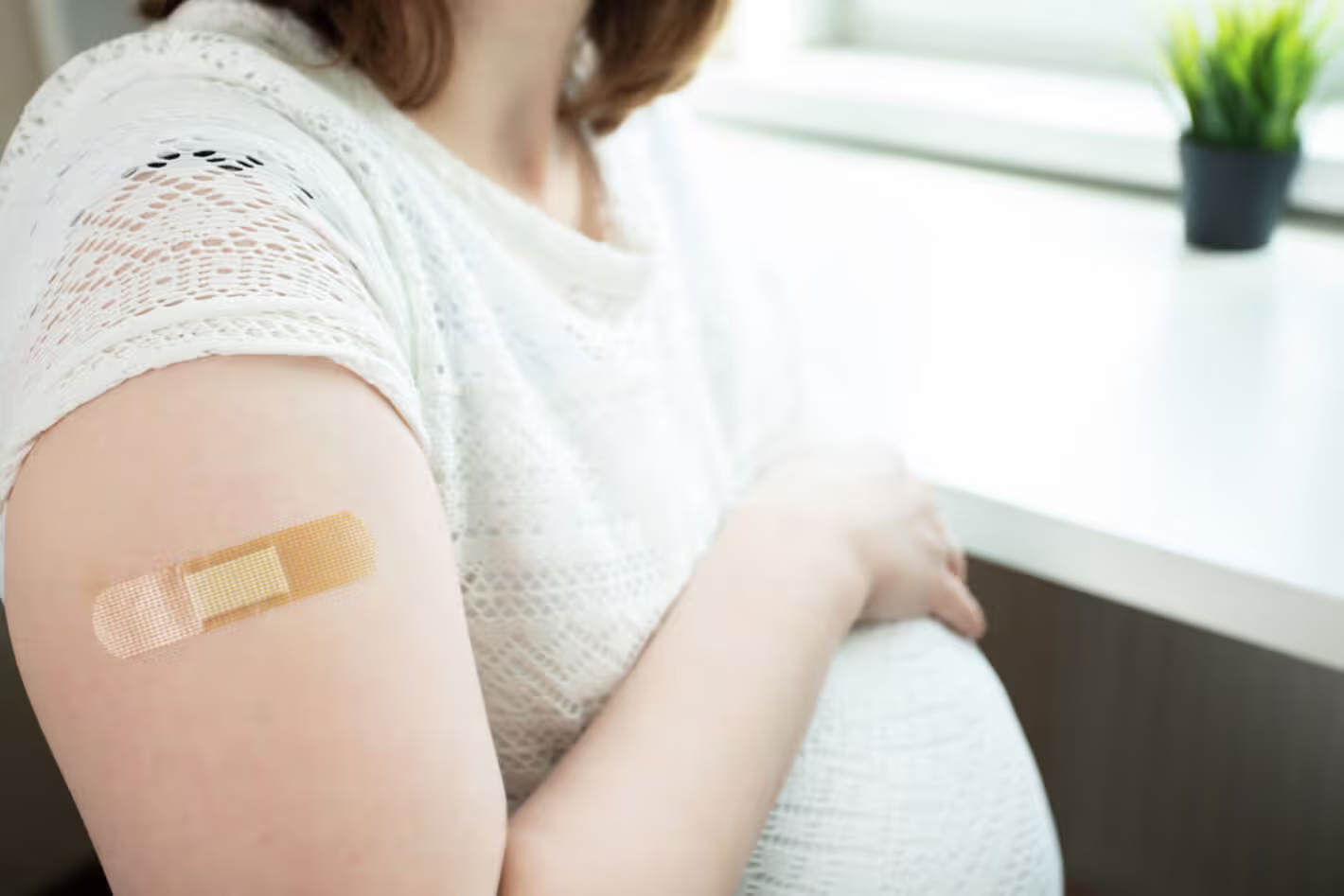
- The Pan American Health Organization (PAHO) is calling for greater access to vaccines for pregnant women across the Americas, warning that uneven vaccination coverage is leaving mothers and newborns vulnerable to preventable illnesses.
- Health experts highlighted the benefits of maternal immunization during a recent regional PAHO webinar, noting that vaccines administered during pregnancy can protect women from serious illness while providing newborns with protection during their first months of life.
- An estimated 47% of deaths among children worldwide occur during the neonatal period, or the first 28 days of life.
- Many of these deaths are associated with infections that can be prevented through maternal immunization, including pertussis, also known as whooping cough, neonatal tetanus and respiratory syncytial virus (RSV).
- “Vaccination during pregnancy is one of the safest and most cost-effective public health interventions available.
The Pan American Health Organization (PAHO) is calling for greater access to vaccines for pregnant women across the Americas, warning that uneven vaccination coverage is leaving mothers and newborns vulnerable to preventable illnesses.
Health experts highlighted the benefits of maternal immunization during a recent regional PAHO webinar, noting that vaccines administered during pregnancy can protect women from serious illness while providing newborns with protection during their first months of life.
An estimated 47% of deaths among children worldwide occur during the neonatal period, or the first 28 days of life. Many of these deaths are associated with infections that can be prevented through maternal immunization, including pertussis, also known as whooping cough, neonatal tetanus and respiratory syncytial virus (RSV).
“Vaccination during pregnancy is one of the safest and most cost-effective public health interventions available. It protects pregnant women while also providing newborns with valuable protection during their first months of life,” said Dr. Jarbas Barbosa, director of PAHO.
“Ensuring timely access to recommended vaccines, together with clear and reliable information, is key to expanding these benefits and helping give every child the best possible start in life,” he added.
Maternal immunization provides protection in two ways, according to health experts. In addition to protecting pregnant women against potentially serious infections, vaccination allows protective antibodies to be transferred to infants before birth. This can provide protection during a period when babies are still too young to receive some recommended vaccines themselves.
Maternal vaccination can help reduce illnesses and deaths associated with influenza, tetanus, pertussis and RSV.
The vaccines recommended during pregnancy vary depending on national immunization policies. Across the Americas, vaccination against influenza, pertussis and COVID-19 during pregnancy is included in routine immunization strategies, while maternal RSV vaccination has been progressively introduced in more countries.
Currently, 11 countries in the region are using maternal RSV vaccination to help prevent severe respiratory infections among infants during their first months of life.
Other vaccines, including those against hepatitis B, hepatitis A, yellow fever, polio, rabies and meningococcal disease, may be recommended during pregnancy in certain circumstances, depending on individual risk factors and the epidemiological situation.
Despite progress, PAHO said significant gaps in maternal vaccination remain.
In 2025, half of the countries in the Americas that reported data recorded influenza vaccination coverage among pregnant women of 61% or less. For vaccines protecting against tetanus, diphtheria and pertussis, half of reporting countries had coverage of 77.3% or less.
PAHO said the figures demonstrate variations in vaccination rates among countries as well as challenges with data availability and reporting.
“Strengthening maternal immunization requires integrating vaccination into routine prenatal care, supporting health workers in making strong vaccine recommendations, and ensuring that women receive clear, evidence-based information to make informed decisions,” said Dr. Daniel Salas, executive manager of PAHO’s Special Program on Comprehensive Immunization.
Experts also called for stronger information systems to record and monitor vaccinations administered during pregnancy. Limited integration between immunization registries and medical records can lead to missed vaccination opportunities and make it more difficult to track vaccination status and evaluate the performance of immunization programs.
PAHO is promoting tools including the Perinatal Information System, known as SIP Plus, to support the recording, identification, sharing and monitoring of maternal vaccination information.
The organization said it is working with countries throughout the Americas to better integrate vaccination into prenatal care, improve health information systems and expand access to recommended vaccines.
The goal, PAHO said, is to make every interaction a pregnant woman has with health services an opportunity to protect both mother and child.