PAHO calls on Caribbean to ramp up dengue prevention efforts
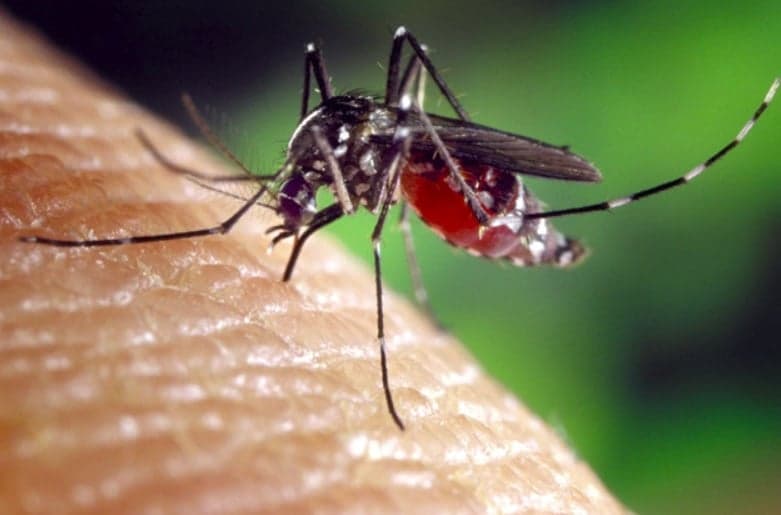
The Pan American Health Organization (PAHO) is calling on nations in Central America, Mexico, and the Caribbean to enhance their preventive strategies in response to a noticeable increase in dengue fever cases.
As the southern hemisphere grapples with more cases and the northern hemisphere enters a peak transmission season, the urgency to act becomes critical.
Understanding dengue and its impact
Dengue fever, a disease spread by mosquitoes, typically presents no symptoms in most cases. However, when symptoms manifest, they can include severe fever, headaches, body aches, nausea, and rashes.
The disease’s stealthy nature often complicates efforts to control its spread and manage its impact on public health.
A call to strengthen health surveillance
PAHO has issued an epidemiological alert that underscores the necessity of reinforcing surveillance systems, improving diagnostic procedures, and enhancing vector control measures.
The organization stresses the importance of preparing healthcare services for effective patient management, especially given the disease’s potential severity.
A significant surge in cases
As of mid-May 2024, there have been more than 8.1 million suspected dengue cases reported in the Americas—over three times the number reported during the same period in the previous year.
Countries like Brazil, Argentina, Paraguay, Peru, Colombia, and Mexico are experiencing the highest surge in cases, with over 3,600 fatalities linked to the disease across the region.
The Caribbean’s alarming increase
In the Caribbean, the situation is particularly dire, with over 21,000 cases recorded, marking a nearly sixfold increase from last year.
This unprecedented rise in cases has prompted PAHO to urge intensified efforts to control the mosquito populations responsible for spreading the virus and to manage the disease more effectively, given the absence of a specific treatment.
Preventive measures and community engagement
The alert from PAHO also highlights the critical role of timely clinical diagnosis, early identification of warning signs, and adept patient management to prevent serious outcomes and deaths.
Health care professionals are encouraged to guide patients and their families on monitoring for warning signs and seeking immediate medical care if symptoms escalate.
Moreover, PAHO reminds communities about the importance of eliminating mosquito breeding sites around homes and taking personal protective measures, such as using repellents and wearing protective clothing, to reduce the risk of mosquito bites.