Newest COVID-19 strain detected in Barbados
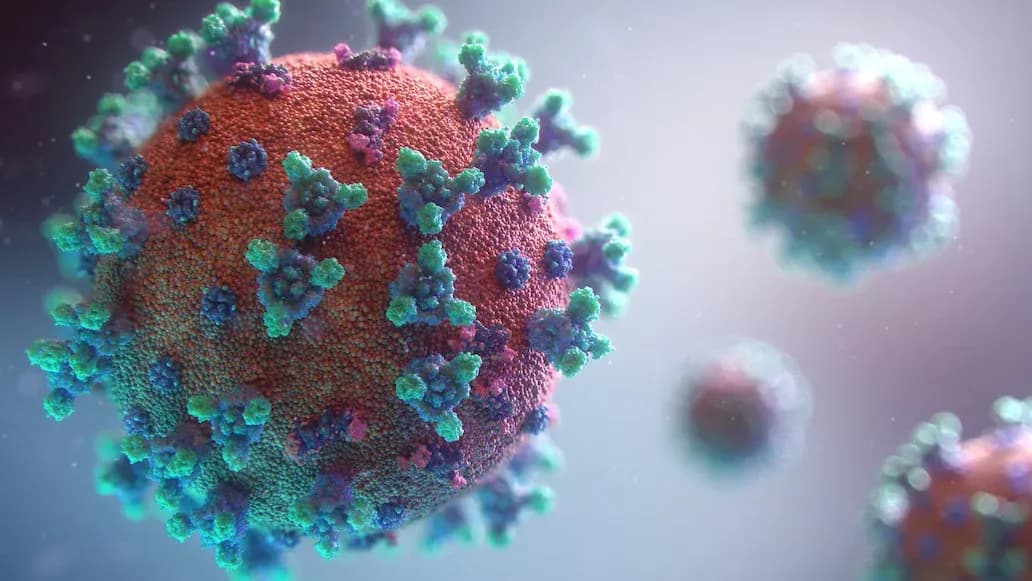
Barbados has identified the newest strain of COVID-19, the JN1 strain, a sub-variant of Omicron.
This discovery was made amidst a rise in respiratory illnesses across the island.
The Ministry of Health and Wellness confirmed the detection following several local variant testing.
The Chief Medical Officer, Dr. Kenneth George, highlighted the presence of multiple viruses, including Influenza A and B, alongside COVID-19, in the current health landscape.
He emphasized the Best dos Santos Public Health Laboratory’s capability to test for various new respiratory viruses and COVID-19 strains, showcasing the nation’s preparedness to handle the evolving viral threats.
Continued vigilance and precautionary measures
Despite COVID-19 no longer being classified as a disease of international public health concern, the Ministry emphasized the ongoing transmission of the virus.
They reassured the public of continued efforts in testing and monitoring COVID-19 strains.
Dr. George also clarified that while the mask mandate remains lifted, the public is urged to adhere to standard precautionary measures.
These include frequent hand washing, respiratory etiquette, and mask-wearing, especially for vulnerable groups like the elderly, pregnant women, and individuals with chronic non-communicable diseases.