Miami-Dade Mayor unveils plan to transform county’s waste management by 2040
Key Points(5)
- The ZWMP was developed through an extensive public engagement process involving municipalities, businesses, environmental organisations, community members, technical experts and county departments.
- It outlines 31 coordinated strategies that will guide implementation over the coming years.
- The strategies are designed to conserve natural resources, preserve landfill capacity, strengthen environmental stewardship, support economic opportunities and improve Miami-Dade’s long-term resilience.
- The plan comes as the county faces growing waste management challenges.
- Miami-Dade generates more than 5 million tons of waste annually, while available landfill capacity continues to decline.
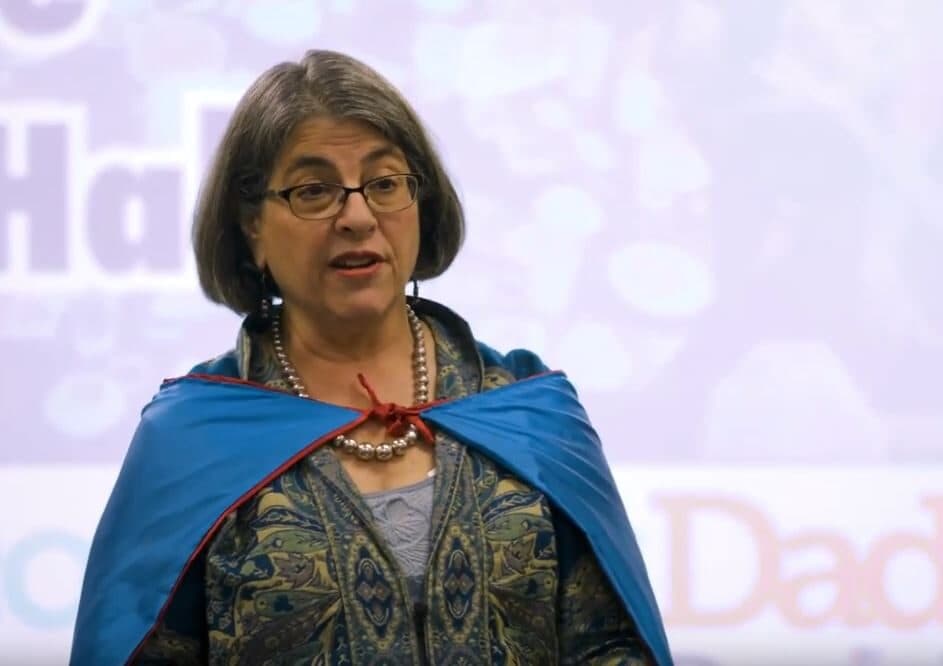
Miami-Dade County Mayor Daniella Levine Cava and Deputy Mayor Roy Coley have unveiled the Department of Solid Waste Management’s (DSWM) Zero Waste Master Plan (ZWMP), a long-term strategy aimed at reducing waste, expanding recycling and creating a more sustainable waste management system across the county.
The plan, launched Friday, July 31, in partnership with the Greater Miami Convention & Visitors Bureau (GMCVB), establishes a roadmap to transform how materials are managed through waste reduction, expanded recycling and organics management, increased waste diversion and the development of a circular economy.
The ZWMP was developed through an extensive public engagement process involving municipalities, businesses, environmental organisations, community members, technical experts and county departments. It outlines 31 coordinated strategies that will guide implementation over the coming years.
The strategies are designed to conserve natural resources, preserve landfill capacity, strengthen environmental stewardship, support economic opportunities and improve Miami-Dade’s long-term resilience.
The plan comes as the county faces growing waste management challenges. Miami-Dade generates more than 5 million tons of waste annually, while available landfill capacity continues to decline.
Mayor Levine Cava has set a goal of diverting and recovering as much waste as possible from landfills by 2040. The Zero Waste Master Plan expands beyond traditional waste reduction approaches such as reduce, reuse and recycle by also encouraging residents, businesses and institutions to refuse unnecessary materials, redesign products and reimagine how resources are used throughout their lifecycle.
“The Zero Waste Master Plan lays out bold strategies to reduce waste, save money and protect our planet,” Levine Cava said. “Through innovation and community engagement, we are proving that environmental stewardship and economic prosperity go hand-in-hand as we build a cleaner, more resilient Miami-Dade County.”
Officials said the plan is not simply a planning document but an implementation framework that builds on waste reduction initiatives already underway throughout the county.
“The Zero Waste Master Plan represents what is possible when county departments, municipal and community partners, businesses, and residents work toward a common vision,” Coley said. “Departments across Miami-Dade County are already leading by example through innovative programs, operational improvements, and collaborative initiatives that reduce waste while improving services.”
Implementation of the plan will involve coordination among county departments, municipalities, businesses, educational institutions, nonprofit organisations and residents.
DSWM Director Aneisha Daniel, PhD, said the plan provides a practical framework for changing how the county views waste.
“This is more than a vision. The Zero Waste Master Plan is an actionable framework that is already guiding how we rethink waste management in Miami-Dade County,” Daniel said. “Through innovative pilot programs, expanded recycling initiatives, organics diversion projects, community engagement, and strong partnerships, we are demonstrating that waste can become a valuable resource while protecting our environment, preserving landfill capacity and creating long-lasting benefits.”
One example of the collaborative approach outlined in the plan is the county’s partnership with the GMCVB, which is working with the hospitality industry to reduce waste generation, expand recycling opportunities, increase food recovery efforts, promote reusable serviceware and encourage sustainable business practices.
“People travel here from all over the world to enjoy the quality of life we experience, whether it be access to fabulous beaches, exceptional waterways and our lush green spaces,” said GMCVB President and CEO David Whitaker. “Miami-Dade County’s Zero Waste Master Plan is a call to action that rallies strong support in our community and will complement the efforts the GMCVB and its partners already have underway to advance sustainability.”
The ZWMP was developed in partnership with WSP, whose technical expertise and stakeholder engagement helped shape the county’s waste diversion strategy through public workshops, community meetings, surveys, technical analyses and collaboration with municipalities and industry partners.
Michael Nardone, senior vice president of Earth and Environment at WSP in the United States, said the plan provides a foundation for advancing zero-waste strategies while creating opportunities for workforce development and innovation.
“Miami-Dade County is helping establish a framework for reimagining waste and how it’s managed across southeast Florida for years to come,” Nardone said.
As implementation moves forward, Miami-Dade County said it will continue engaging residents, businesses and community organisations to support the goal of becoming a zero-waste county by 2040.