Miami-Dade approves first transit fare increase in 13 years
Key Points(5)
- Miami-Dade County commissioners have approved the county’s first public transit fare increase in more than 13 years, with the additional revenue expected to restore bus service for thousands of riders.
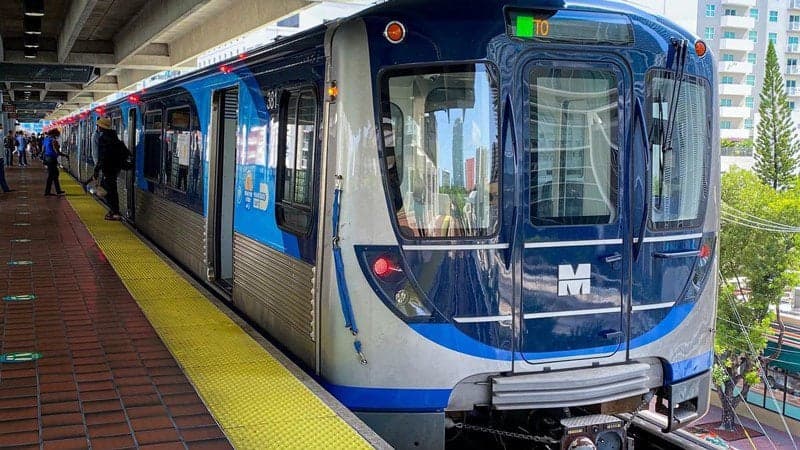
- The standard Metrobus and Metrorail fare will increase from $2.25 to $2.75 beginning in January 2027.
- The 50-cent increase, combined with minor Metrorail operating adjustments, is expected to generate about $9.2 million annually.
- Miami-Dade County said the additional funding will allow the Department of Transportation and Public Works (DTPW) to preserve service on 13 routes that had been scheduled for elimination as part of the fiscal 2026-27 budget process.
- The restored service is expected to benefit about 4,200 daily riders and more than 1.3 million annual trips.
Miami-Dade County commissioners have approved the county’s first public transit fare increase in more than 13 years, with the additional revenue expected to restore bus service for thousands of riders.
The standard Metrobus and Metrorail fare will increase from $2.25 to $2.75 beginning in January 2027. The 50-cent increase, combined with minor Metrorail operating adjustments, is expected to generate about $9.2 million annually.
Miami-Dade County said the additional funding will allow the Department of Transportation and Public Works (DTPW) to preserve service on 13 routes that had been scheduled for elimination as part of the fiscal 2026-27 budget process.
The restored service is expected to benefit about 4,200 daily riders and more than 1.3 million annual trips.
“I am grateful to our residents, riders and County leaders who raised their voices and worked with us to find a path forward,” Miami-Dade County Mayor Daniella Levine Cava said.
“While this is our first fare increase in more than 13 years, we recognize that every dollar matters for working families,” she said. “The additional revenue will help keep more buses running and preserve the service residents rely on.”
The preserved routes had been scheduled for elimination beginning in March 2027. They include late-evening service on seven major corridors, Route 279 and five routes serving areas with limited or no other transit options.
The restored late-evening service includes 24-hour Routes 11, 79, 77, 3 and 27.
The five coverage routes serve 42nd Avenue, Biscayne Park, Florida City west of U.S. 1, 125th Street, and Nicklaus Children’s Hospital and West Miami.
The service restorations will affect residents across all 13 County Commission districts.
“We heard the concerns from our riders and our community, and we took them seriously,” said Stacy L. Miller, DTPW director and CEO.
Miller said the department worked with the county administration and commissioners to preserve service for riders who rely on public transportation while beginning to establish dedicated funding for the transit system.
DTPW said it prioritized the restored routes based on ridership and the availability of alternative transportation, giving priority to routes where riders would otherwise lose access to transit.
The fare increase comes as the county continues to make other transit reductions to address a structural funding shortfall.
DTPW had identified 17 low-ridership routes for service changes beginning in March 2027. Sixteen of those routes will continue operating but will no longer run after 10 p.m.
Route 132, whose riders have access to alternative routes, was already scheduled for elimination as part of a November 2026 service change.
Together, those changes affect about 250 daily passengers and are expected to save about $1.7 million annually.
Additional reductions included in the fiscal 2026-27 budget will affect just over 3,000 riders annually. They include eliminating weekend service on Route 338, limited-stop routes 203, 204, 272 and 288, and late-night service on 18 additional routes.
The county said an additional $7.7 million would be needed to preserve those services.
Miami-Dade will continue offering free and reduced-fare transit programs for eligible riders, including seniors, veterans, students, people with disabilities and residents with limited incomes.