Meet Stacy Ritter: The head of Visit Lauderdale who champions inclusion & diversity
Key Points(5)
- <span style="font-weight: 400;">Stacy Ritter connects from a hotel.
- She’s on her way to the first LGBTQ+ conference in Florida.
- “We’re gold sponsors,” she beamed.</span> <span style="font-weight: 400;">Stacy Ritter is the current President and CEO of Visit Lauderdale, an organization that champions the South Florida tourism industry.
- </span> <span style="font-weight: 400;">“The tourism [industry] is filled with people from other countries.
- Immigrants who came to this country to find a better opportunity for themselves and their family who discovered hospitality as a very inclusive and welcoming industry.
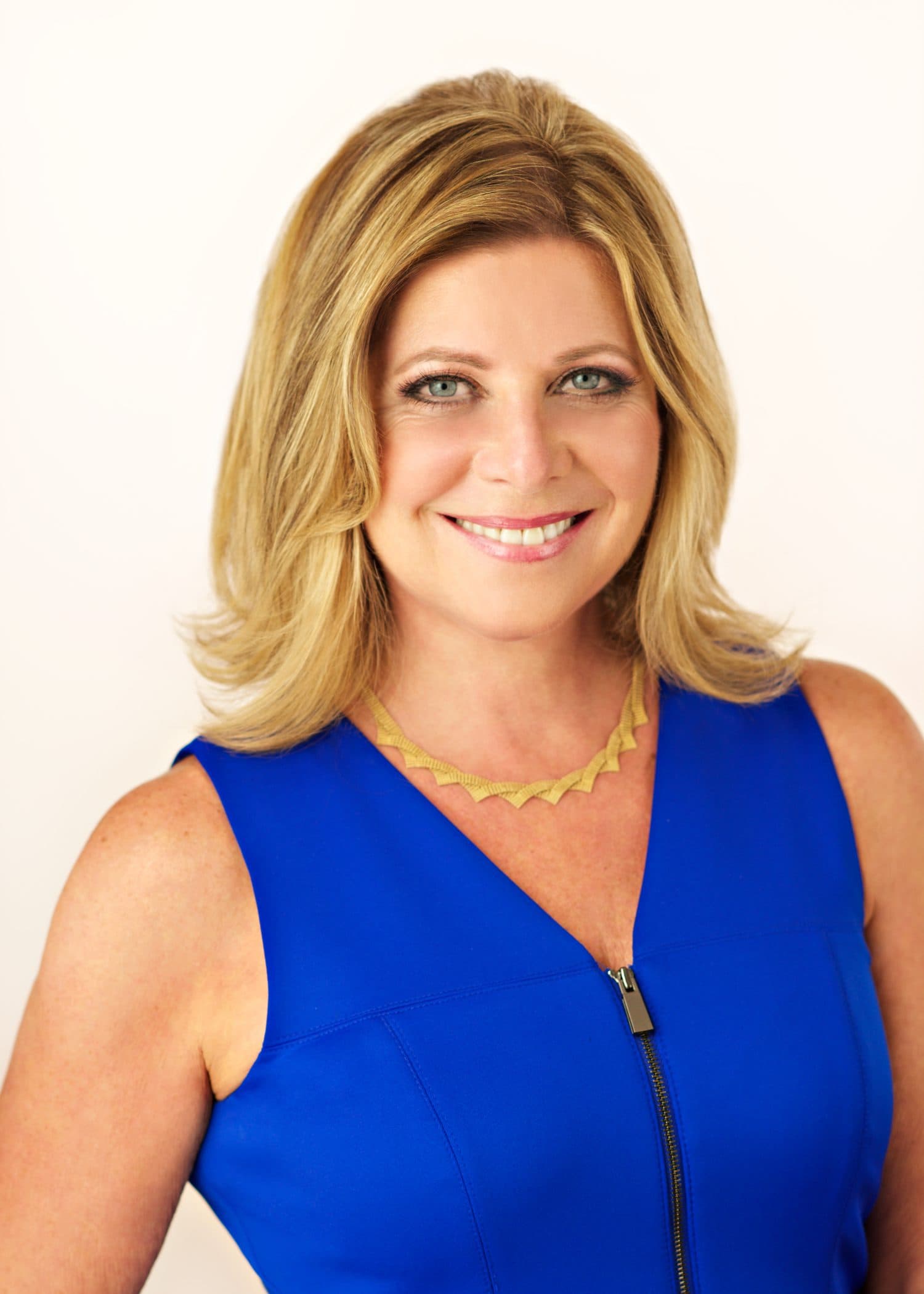
Stacy Ritter connects from a hotel. She’s on her way to the first LGBTQ+ conference in Florida. “We’re gold sponsors,” she beamed.
Stacy Ritter is the current President and CEO of Visit Lauderdale, an organization that champions the South Florida tourism industry. The state laws passed in recent months targeting women's reproductive rights, trans health care, immigration, and the ease with which immigrants can access health care and employment has made her job exponentially harder.
“It’s sad that a tourism professional has to talk about the political environment in a state where tourism is the no.1 industry,” Ritter lamented.
“The tourism is filled with people from other countries. Immigrants who came to this country to find a better opportunity for themselves and their family who discovered hospitality as a very inclusive and welcoming industry. Anywhere up and down the chain you’re going to you find someone who wasn’t born in the States,” she explained, painting a picture of what it's like on the ground in the tourism industry. “Laws that pass that inhabit people’s ability to work…those people are going to go elsewhere.”
Shaping the history of Broward
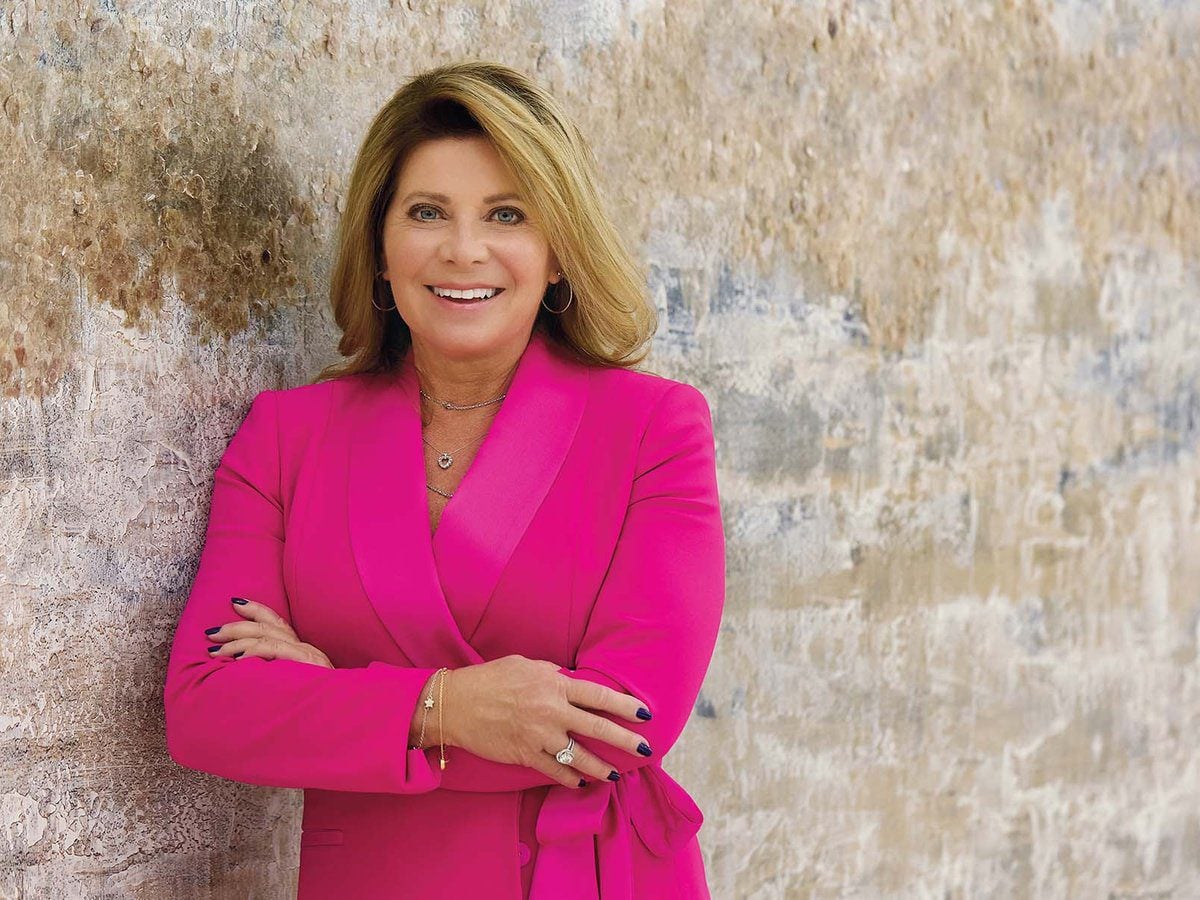
Ritter and her family moved to Broward County 50 years ago. She is the perfect historian to chart how the region has evolved in half a century, as she was, at times, directly involved in shaping that history. Ritter served as a State Representative for Florida, 10 years as Broward County Commissioner, and a year as County Mayor.
Over that time frame, she’s watched Broward County go from being predominantly white, straight, cis, and male to being one of the most diverse areas in the country. “ is a majority-minority county,” she explains, before reeling off statistics. With around 2 million residents from over 170 nations and speaking over 100 languages, Broward is a microcosm of the planet.
Championing diversity and inclusion
“If you want to go somewhere where you only want to see people who look like you, don’t come here,” she states as a matter of fact. The diversification of Broward was natural. Ritter is careful not to draw parallels between her family moving from Washington to Florida and immigrants choosing to come to Broward.The appeal is universal, warm weather throughout the year and career opportunities to better provide for families and loved ones. Diversification begets more diversification. As more Bajans migrate to Broward they establish stores and communities that make the county more inviting to other Bajans. This is replicated across many cultures in Broward. “We've woven a beautiful tapestry full of multicultural fabric,” Ritter smiles.
This is what’s at stake for Ritter. She’s tried to distance herself from politics attributing a growing bitterness to the emergence of social media and how that feeds into misogynistic scrutiny where her appearance was dissected more than her politics in addition to a collapse in party relationships and decorum.
“I wanted to do some positive things and talk about sunshine and beaches and happiness,” she started, “just when I thought I was out they pull me back in!”
Tackling challenges
It’s remarkable how easily she shifts back into politician cadence. Over her mic, you could hear the subtle banging of the desk as she accentuated each talking point. Her career is a microcosm of how interwoven Florida's political climate is with daily life.
“We’ve had 11 conferences canceled -- they decided not to book here because of the political situation,” she explained, more than a hint of annoyance in her voice. “Half a dozen meeting planners told me that their clients are no longer looking at Florida to bring their events.”
Visitors come to Florida in the millions. According to Visit Florida, last year saw 137.4 million visitors from out of state. Tourism contributed 101.9 billion USD to the Floridian economy and supported almost 2 million jobs.
When the legislature is hostile to immigrants and 2nd generation Americans, it is hostile to the entire state. “America relies on the jobs immigrants do,” she explained. “It’s an ugly truth but it’s something we need to talk about.”
Hospitality is the most forward-facing industry but immigrants are the backbone of the state and have always been. Other service jobs, nursing, and agriculture are significantly staffed by immigrant populations. When those industries decline, everyone feels it.
Beyond the economic considerations, Ritter believes that the legislature restricts the natural dissemination of experiences and culture. “The history of this country is troubled and while we strive for that more perfect union we haven’t gotten there yet,” she explained.
“I think talking about is a positive thing. Then people like me who are boomers and who are evolving to have conversations about things we wouldn’t have thought about 50 years ago. Who is represented in marketing? Who is represented in television? Who do you see on the movie screen?”
Leading the rebranding of Broward
Diversity is the key strength of the region. “ rebranded a year ago from Hello Sunny…our new tagline is Everyone Under the Sun,” she grinned. “I know how corny it sounds, but when we talk about America being a melting pot -- Broward is that melting pot.” There’s a belief that travel leads to a happier life. Exposure to new cultures and ways of thinking broadens horizons and fosters acceptance. Travel is a privilege, more so after the quarantine and the paranoia brought on by the COVID-19 pandemic. But living in Broward, even just visiting, means every few steps is like walking into another culture.
Ritter repeats the statistics -- 2 million people from over 150 countries speaking over 100 languages. “Everyone under the sun lives in Broward county. We wanted to embrace the diversity and inclusivity of the destination. Not shy away from,” she explained, laying it all out. “Our mission is to bring people to . Our calling is to keep people employed.”