Jamaica's Opposition proposes digital nomad program targeting foreign remote workers
Key Points(5)
- Jamaica’s Opposition is proposing a digital nomad program designed to attract remote workers to the island as part of a wider $10-billion revenue plan intended to avoid new taxes on Jamaicans still recovering from the effects of Hurricane Melissa.
- Opposition Spokesman on Finance Julian Robinson said the proposal could generate billions in revenue while stimulating economic activity, positioning it as an alternative to the government’s $18-billion tax package.
- “Every year, four million tourists visit Jamaica.
- We have the brand, we have the climate, we have the culture, and we also have the connectivity infrastructure that those remote workers are looking for,” Robinson said.
- “What we do not have as yet is a structured program that allows them to stay longer, to work from here and spend their money right here in Jamaica.” Under the proposal, applicants would pay a US$2,000 fee for a 12-month permit.
Jamaica’s Opposition is proposing a digital nomad program designed to attract remote workers to the island as part of a wider $10-billion revenue plan intended to avoid new taxes on Jamaicans still recovering from the effects of Hurricane Melissa.
Opposition Spokesman on Finance Julian Robinson said the proposal could generate billions in revenue while stimulating economic activity, positioning it as an alternative to the government’s $18-billion tax package.
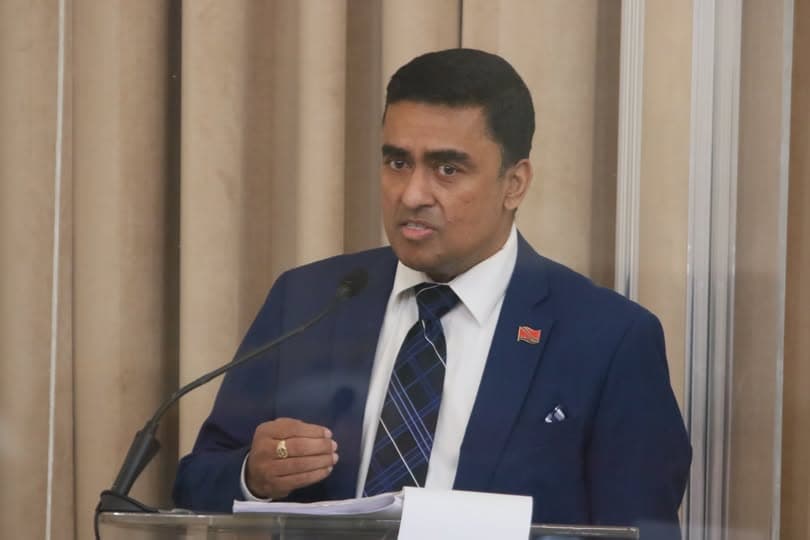
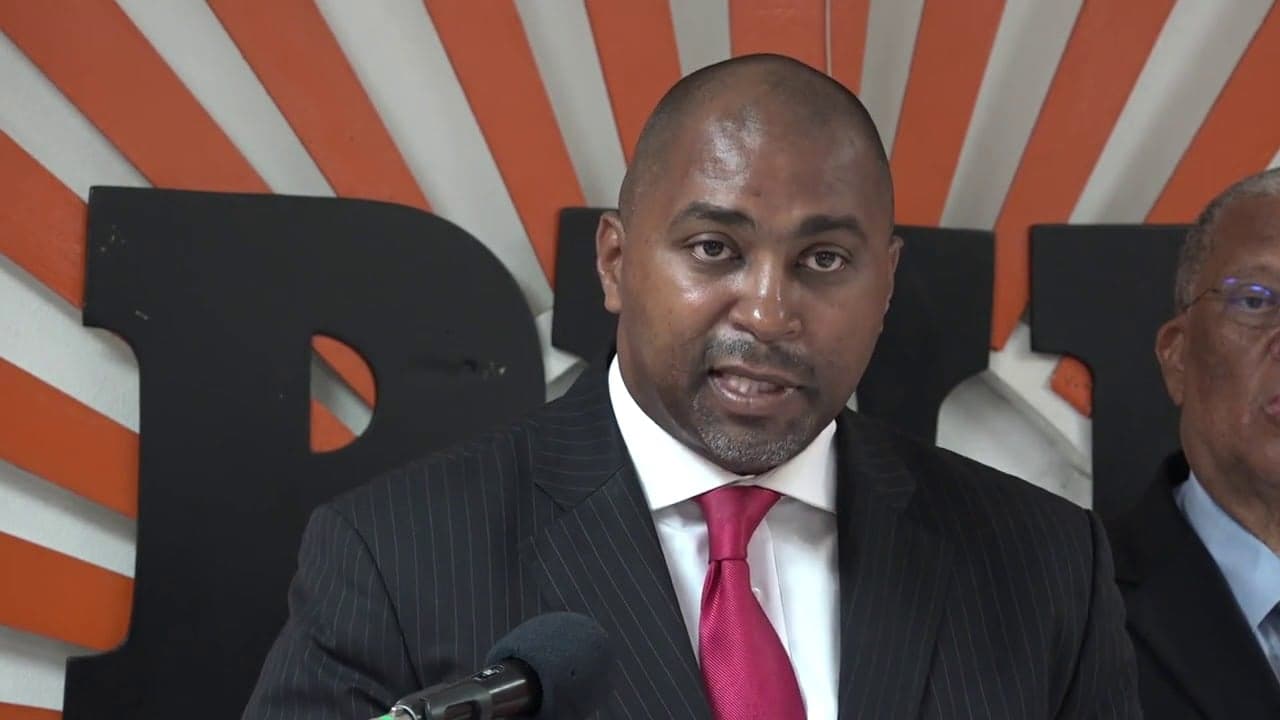
Robinson, speaking Thursday during his contribution to the National Budget Debate in the House of Representatives of Jamaica, said the digital nomad initiative would allow remote workers, freelancers and entrepreneurs employed by companies overseas to live and work in Jamaica under a special permit.
“Every year, four million tourists visit Jamaica. We have the brand, we have the climate, we have the culture, and we also have the connectivity infrastructure that those remote workers are looking for,” Robinson said. “What we do not have as yet is a structured program that allows them to stay longer, to work from here and spend their money right here in Jamaica.”
Under the proposal, applicants would pay a US$2,000 fee for a 12-month permit. Robinson estimated that attracting about 5,000 digital nomads in the first year could generate roughly $1.5 billion in fees alone.
However, he said the larger economic benefit would come from spending by those visitors during their stay.
“The real story is when they come here, when they stay here — the restaurants, the Airbnbs, the hotels, the villas, the concerts, the food that they spend. That is the impact,” he said.
Robinson noted that similar programs have already been introduced across the Caribbean, citing Barbados as an early adopter. He said Barbados reported that each digital nomad spends about US$55,000 during their stay.
While he projected a more conservative estimate for Jamaica, Robinson said an average six-month stay with spending of about US$25,000 could translate into roughly US$125 million — or approximately $19.5 billion Jamaican dollars — in broader economic activity.
“Barbados did it immediately after COVID and took first-mover advantage,” Robinson said. “But we do have many advantages which other countries in the region don’t have.”
The digital nomad initiative forms part of Robinson’s broader $10-billion revenue plan, which also includes implementing an electronic invoicing system through Tax Administration Jamaica.
According to Robinson, the system would automatically capture sales transactions at the point of sale, reducing underreporting and improving tax compliance without imposing new taxes. He estimated the measure could generate approximately $8.6 billion in additional revenue.
Together, the two initiatives could generate about $10 billion in revenue during the first year, Robinson said, while easing the financial burden on Jamaicans still recovering from the impact of Hurricane Melissa.