Jamaican-America Kamala Harris Becomes First Black Woman Elected Vice President
Key Points(5)
- Jamaicans across the diaspora rejoiced on Saturday.
- For the first time in history, they will see themselves represented in the White House.
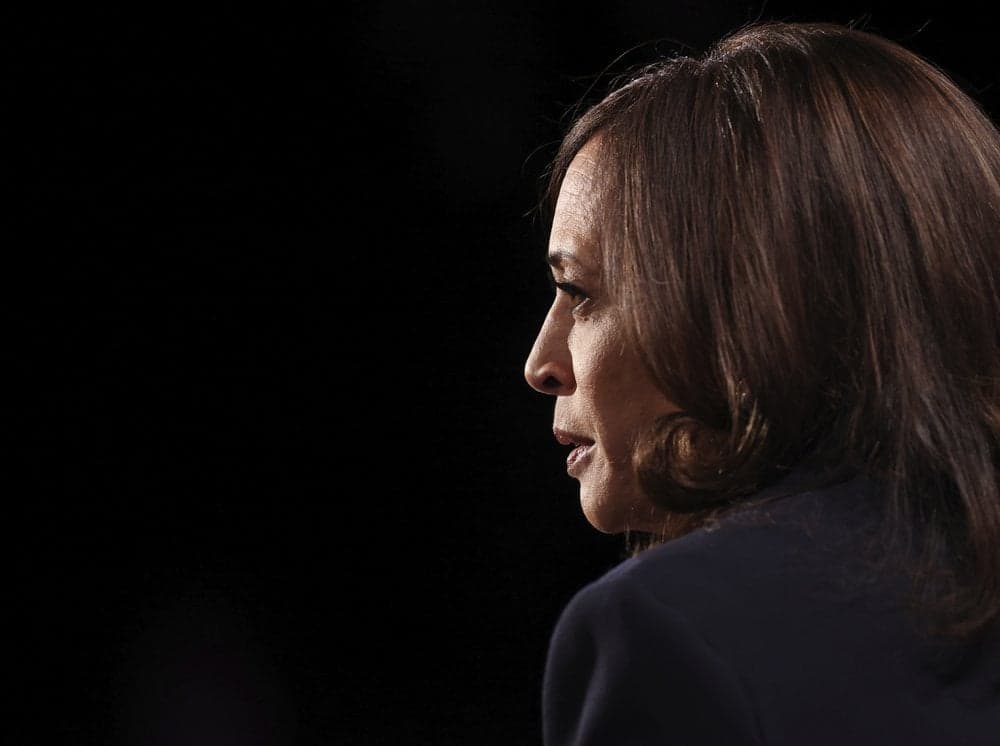
- Jamaican-America Kamala Harris made history Saturday as the first Black woman elected as vice president of the United States, shattering barriers that have kept men — almost all of them white — entrenched at the highest levels of American politics for more than two centuries.
- The 56-year-old California senator, also the first person of South Asian descent elected to the vice presidency, represents the multiculturalism that defines America but is largely absent from Washington’s power centers.
- Her Black identity has allowed her to speak in personal terms in a year of reckoning over police brutality and systemic racism.
Jessica Byrd, who leads the Movement for Black Lives’ Electoral Justice Project and The Frontline, a multiracial coalition effort to galvanize voters, said she plans to engage in the rigorous organizing work needed to push Harris and Biden toward more progressive policies.
“I deeply believe in the power of Black women’s leadership, even when all of our politics don’t align,” Byrd said. “I want us to be committed to the idea that representation is exciting and it’s worthy of celebration and also that we have millions of Black women who deserve a fair shot.”
Harris is the second Black woman elected to the Senate. Her colleague, Sen. Cory Booker, who is also Black, said her very presence makes the institution “more accessible to more people” and suggested she would accomplish the same with the vice presidency.
Harris was born in 1964 to two parents active in the civil rights movement. Shyamala Gopalan, from India, and Donald Harris, from Jamaica, met at the University of California, Berkeley, then a hotbed of 1960s activism. They divorced when Harris and her sister were girls, and Harris was raised by her late mother, whom she considers the most important influence in her life.
Kamala is Sanskrit for “lotus flower,” and Harris gave nods to her Indian heritage throughout the campaign, including with a callout to her “
The mocking of her name by Republicans, including Trump, was just one of the attacks Harris faced. Trump and his allies sought to brand her as radical and a socialist despite her more centrist record, an effort aimed at making people uncomfortable about the prospect of a Black woman in leadership. She was the target of online disinformation laced with racism and sexism about her qualifications to serve as president.
Congresswoman Pramila Jayapal of Washington said Harris’ power comes not just from her life experience but also from the people she already represents. California is the nation’s most populous and one of its most diverse states; nearly 40% of people are Latino and 15% are Asian. In Congress, Harris and Jayapal have teamed up on bills to ensure legal representation for Muslims targeted by Trump’s 2017 travel ban and to extend rights to domestic workers.
“That’s the kind of policy that also happens when you have voices like ours at the table,” said Jayapal, who in 2016 was the first South Asian woman elected to the U.S. House. Harris won election to the Senate that same year.
Harris’ mother raised her daughters with the understanding the world would see them as Black women, Harris has said, and that is how she describes herself today.
She attended Howard University, one of the nation’s historically Black colleges and universities, and pledged Alpha Kappa Alpha, the nation’s first sorority created by and for Black women. She campaigned regularly at HBCUs and tried to address the concerns of young Black men and women eager for strong efforts to dismantle systemic racism.
Her victory could usher more Black women and people of color into politics.
San Francisco Mayor London Breed, who considers Harris a mentor, views Harris’ success through the lens of her own identity as the granddaughter of a sharecropper.
“African Americans are not far removed from slavery and the horrors of racism in this country, and we’re still feeling the impacts of that with how we’re treated and what’s happening around this racial uprising,” she said. Harris’ candidacy “instills a lot of pride and a lot of hope and a lot of excitement in what is possible.”
Harris is married to a Jewish man, Doug Emhoff, whose children from a previous marriage call her “Momala.” The excitement about her candidacy extends to women across races.
Friends Sarah Lane and Kelli Hodge, each with three daughters, brought all six girls to a Harris rally in Phoenix in the race’s closing days. “This car is full of little girls who dream big. Go Kamala!” read a sign taped on the car’s trunk.
Lane, a 41-year-old attorney who is of Hispanic and Asian heritage, volunteered for Biden and Harris, her first time ever working for a political campaign. Asked why she brought her daughters, ages 6, 9 and 11, to see Harris, she answered, “I want my girls to see what women can do.”
___
Associated Press writer Kat Stafford in Detroit contributed to this report.