Jamaica to increase income tax threshold to $2 million over three years
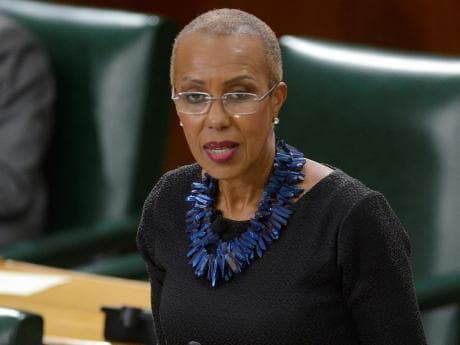
Jamaicans will soon benefit from an increase in the income tax threshold, allowing them to take home more of their earnings. Finance Minister Fayval Williams announced during the budget debate today that the government will gradually raise the tax-free income threshold to $2 million over a three-year period, starting April 1, 2025.
Prime Minister Andrew Holness later shared the news on social media, emphasizing the government's commitment to easing the tax burden while maintaining fiscal responsibility.
How the income tax threshold will increase
The adjustment will be implemented in three phases:
- April 1, 2025 – Threshold rises to $1.8 million
- April 1, 2026 – Increases to $1.9 million
- April 1, 2027 – Final increase to $2 million
Holness, in his tweet, highlighted the structured rollout, stating that the government is ensuring taxpayers "don’t have to guess and spell" about future increases. He described the move as both "caring" and "responsible."
“Doing it this way means our hardworking taxpayers don’t have to guess year after year if the threshold is going to increase,” Williams said during her presentation.
What this means for Jamaicans
Income earned at or below the threshold is not subject to income tax, meaning that by 2027, individuals earning $2 million or less annually will pay no personal income tax. This move will provide immediate relief for low and middle-income earners, reducing their tax burden and increasing take-home pay.
This increase continues a trend that started in 2017, when the tax threshold jumped to $1.5 million, fulfilling a 2016 Jamaica Labour Party election promise. Most recently, the threshold was raised to $1.7 million at the start of the current fiscal year in April, at a cost of $9 billion.
While Williams did not specify the total cost of this latest increase, former Finance Minister Dr. Nigel Clarke had previously estimated that raising the threshold to $2.1 million would cost the government $23.6 billion. His projections also indicated that:
- Raising it to $2.5 million would cost $34.6 billion
- Increasing it to $3 million would cost over $45 billion
With the government relying heavily on personal income tax as a key revenue source, this phased increase is aimed at balancing relief for workers with fiscal responsibility.
While the government will forgo tax revenue, the increase in disposable income could boost consumer spending, benefiting local businesses and stimulating economic activity. The higher threshold may also encourage greater workforce participation and formal employment, as lower-income earners benefit from the reduced tax burden.
This tax relief measure, supported by Prime Minister Andrew Holness, is part of broader government efforts to ease the financial strain on Jamaicans while maintaining economic stability. The phased rollout provides certainty to taxpayers, ensuring a structured and predictable path to higher take-home pay over the next three years.