Jamaica ends Cuba program with doctors
Key Points(3)
- The program has been successful for decades
- This comes amid pressure from the United States
- This will further strain relationships with Cuba and the CARICOM community
The Jamaica Ministry of Foreign Affairs and Foreign Trade has confirmed that the Government of Jamaica will discontinue the current arrangement for the deployment of Cuban medical professionals in the public health sector, following the expiration of the last technical cooperation agreement in February 2023 and a failure to agree on new terms with Havana.
“In the interest of continuity of the valuable service provided by the Cuban medical professionals present in the country, and for their personal certainty and well‑being, the Government of Jamaica has indicated its willingness for the Ministry of Health and Wellness to engage these medical professionals on an individual basis, in keeping with local labour laws. This arrangement would last for the remainder of their scheduled tenure in Jamaica under the programme,” the ministry said.
The History of the Program
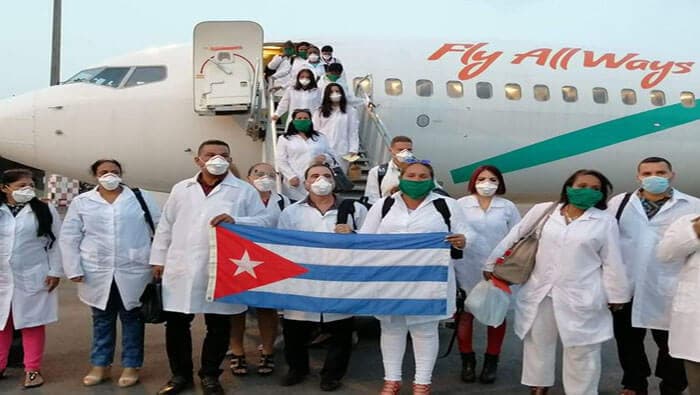
The Cuban medical presence has been a fixture in Jamaica’s public health system for decades. Partnerships between Kingston and Havana date back more than 50 years, rooted in Cold War‑era regional cooperation and formalised through periodic memorandums of understanding that allowed Cuban doctors, nurses, technicians and specialists to work in clinics and hospitals across the island.
These missions have delivered targeted services such as the Cuba‑Jamaica Eye Care Programme, which has enabled thousands of Jamaicans to access surgeries and care that were previously cost‑prohibitive or unavailable locally.
But the programme has also been the subject of international scrutiny and political pressure, particularly from the United States. Washington has repeatedly criticised Cuba’s global medical export initiatives, arguing they amount to forced labour and human trafficking — a claim fiercely rejected by Caribbean governments, including Jamaica’s.
In 2025, U.S. Secretary of State Marco Rubio signaled that Washington would hold accountable foreign officials who participate in Cuba’s programme, warning that engaging with the medical missions could jeopardise visa privileges and diplomatic relations. Jamaican leaders, including then Foreign Minister Kamina Johnson Smith, publicly denied that alleged U.S. pressure would dictate the island’s healthcare policies and stated that Cuban medical personnel remain crucial to Jamaica’s health system.