
This Day in History: Governor General for Life, Toussaint Louverture
Key Points(5)
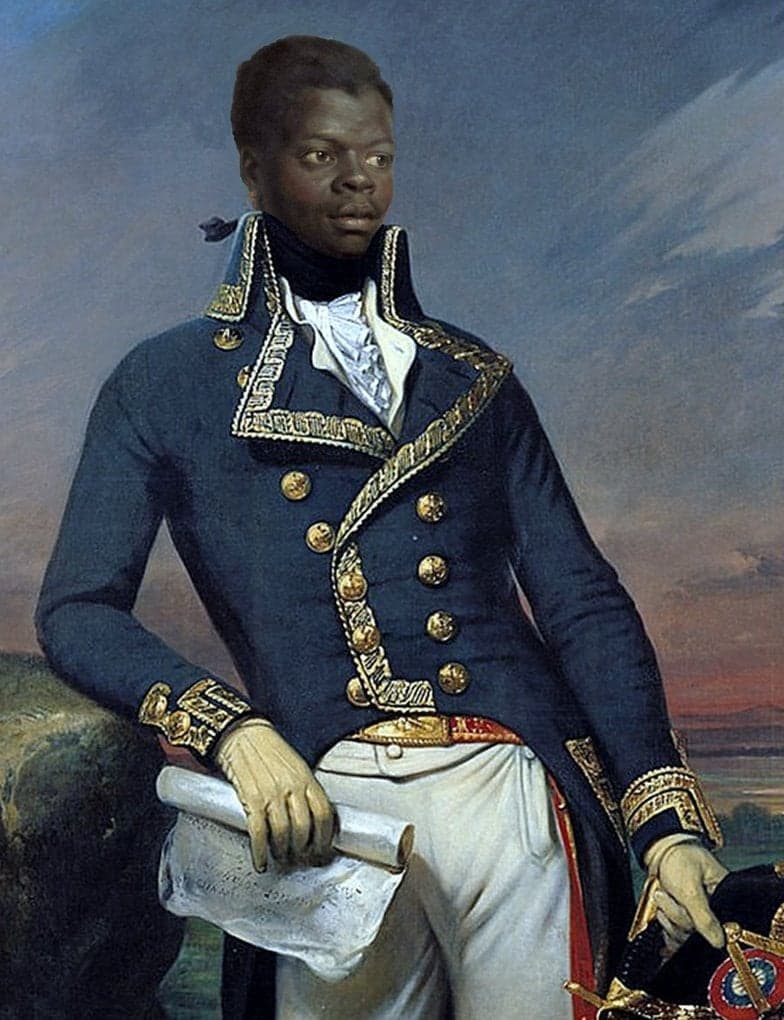
- <h2>Toussaint Louverture</h2> This day in Caribbean history, June 8, 1801, Toussaint Louverture proclaimed the new constitution in Saint-Domingue and is declared Governor General for life.
- The constitution, which is sent to France, sanctions the structures Louverture has already set in place, and emphasizes the bourgeois principles of the French Revolution.
- Black slaves, chafing against Louverture’s mandatory labor requirements, rejected the measures through various forms of resistance.
- Though the constitution essentially usurped the power of the French, Saint-Domingue was still identified as a French colony.
- The constitution attempts to establish Saint-Domingue as equal to France, asserting the colony’s autonomy while still trying to receive benefits from France.
Toussaint Louverture
This day in Caribbean history, June 8, 1801, Toussaint Louverture proclaimed the new constitution in Saint-Domingue and is declared Governor General for life.The constitution, which is sent to France, sanctions the structures Louverture has already set in place, and emphasizes the bourgeois principles of the French Revolution.
Slavery was abolished forever and the constitution eliminates social distinctions of race and color, stating “all individuals be admitted to all public functions depending on their merit and without regard to race or color.” All individuals born in the colony were to be “equal, free, and citizens of France.” Voodoo is outlawed, mandatory labor is codified and Catholicism is established as the colony’s official religion. Black slaves, chafing against Louverture’s mandatory labor requirements, rejected the measures through various forms of resistance.
Though the constitution essentially usurped the power of the French, Saint-Domingue was still identified as a French colony. The constitution attempts to establish Saint-Domingue as equal to France, asserting the colony’s autonomy while still trying to receive benefits from France.
Though the constitution was not a formal declaration of independence, Bonaparte immediately recognized it as a threat and rejected it. General Victor-Emmanuel Leclerc, Bonaparte’s brother-in-law,was sent to Saint-Domingue to re-impose slavery and the Code Noir.
By that time planters were increasingly unhappy with the state of affairs in Saint-Domingue and were relying on Bonaparte to unseat Louverture, restore slavery, and facilitate the rise of the colony once more. Bonaparte was sympathetic, and declared that “Toussaint was no more than a rebel slave who needed to be removed, whatever the cost.”