Haiti approves $120 million electoral budget, cutting initial proposal
Key Points(5)
- Haiti’s Prime Minister’s Office and the Provisional Electoral Council (CEP) have agreed on a $120 million budget to finance upcoming electoral operations, reducing the initial proposed cost by more than half.
- The agreement was announced Friday, July 3, following a series of discussions between the two institutions, with technical support from teams from the Ministry of Economy and Finance.
- Officials said the review considered the logistical and organizational requirements of the elections, improvements in the security situation, the reopening of access to some difficult-to-reach areas, and the government’s financial capacity.
- The approved $120 million budget replaces an initial preliminary proposal of $250 million.
- A later review by a commission made up of representatives from the United Nations Development Programme (UNDP), the United Nations Office for Project Services (UNOPS), and the United Nations Integrated Office in Haiti (BINUH) had suggested a revised budget range of $220 million to $230 million.
Haiti’s Prime Minister’s Office and the Provisional Electoral Council (CEP) have agreed on a $120 million budget to finance upcoming electoral operations, reducing the initial proposed cost by more than half.
The agreement was announced Friday, July 3, following a series of discussions between the two institutions, with technical support from teams from the Ministry of Economy and Finance.
Officials said the review considered the logistical and organizational requirements of the elections, improvements in the security situation, the reopening of access to some difficult-to-reach areas, and the government’s financial capacity.
The approved $120 million budget replaces an initial preliminary proposal of $250 million. A later review by a commission made up of representatives from the United Nations Development Programme (UNDP), the United Nations Office for Project Services (UNOPS), and the United Nations Integrated Office in Haiti (BINUH) had suggested a revised budget range of $220 million to $230 million.
The Prime Minister’s Office and the CEP said the approved figure could be adjusted if necessary through a joint decision by both institutions.
The government described the agreement as a key step toward preparing for the elections and said it remains committed to securing the resources needed to support the electoral process with assistance from national and international partners.
Haiti has not held presidential elections since 2016 and has lacked an elected president since the 2021 assassination of President Jovenel Moïse. Political instability, delays in organizing elections, and escalating gang violence have contributed to the absence of elected national leadership.
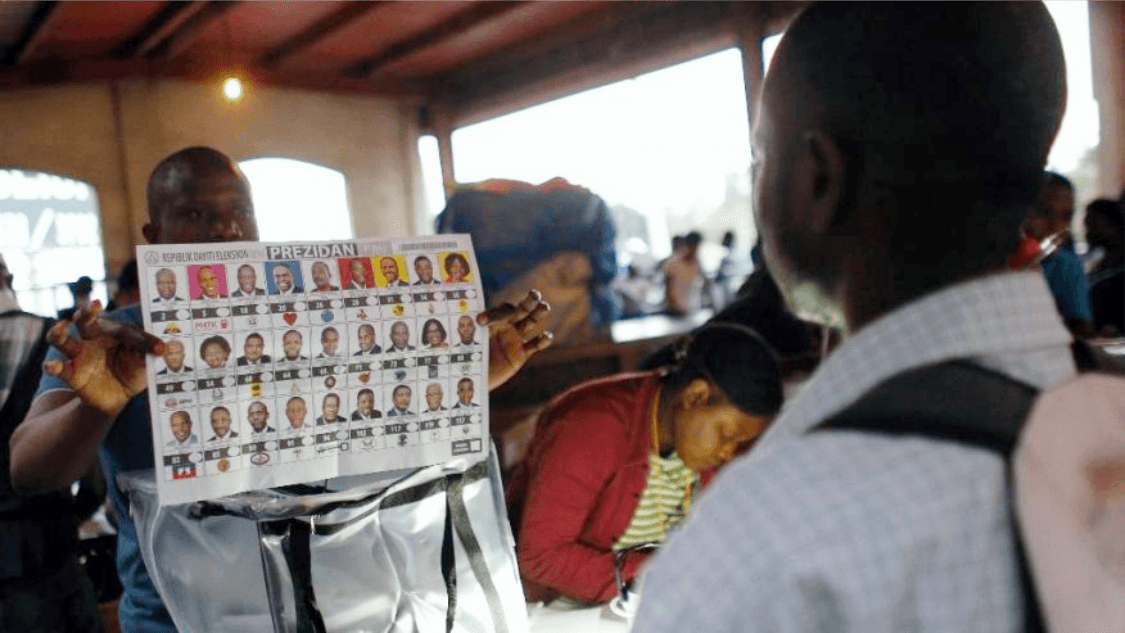
The CEP has been working toward elections scheduled for 2026. The current electoral calendar calls for the first round of presidential and legislative elections on Aug. 30, 2026, with a second round scheduled for Dec. 6 if needed.
However, preparations have faced significant obstacles. Security concerns have affected voter access and election planning, with armed groups controlling large areas, particularly around Port-au-Prince. The worsening security situation has also contributed to delays in voter registration activities.
In March, Haiti opened registration for political parties seeking to participate in the upcoming elections.
The electoral process is also unfolding during a fragile political transition. Haiti’s Transitional Presidential Council, created in 2024 after Prime Minister Ariel Henry resigned, was tasked with helping restore stability and organizing elections. Its mandate ended in February 2026, leaving additional uncertainty over the country’s political future as officials continued preparations for the vote.
The CEP said it will continue working to carry out the process independently and professionally while following Haiti’s legal framework and international standards for elections.