Guyana maintains stance on death penalty

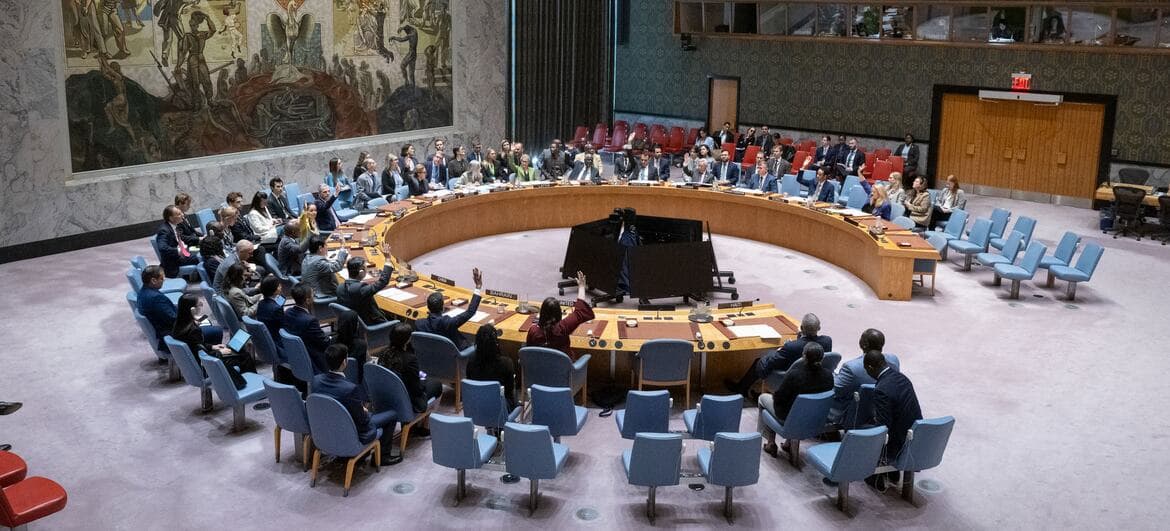
In a recent address to the United Nations Human Rights Committee (UNHRC), Guyana reiterated its stance on the contentious issue of the death penalty.
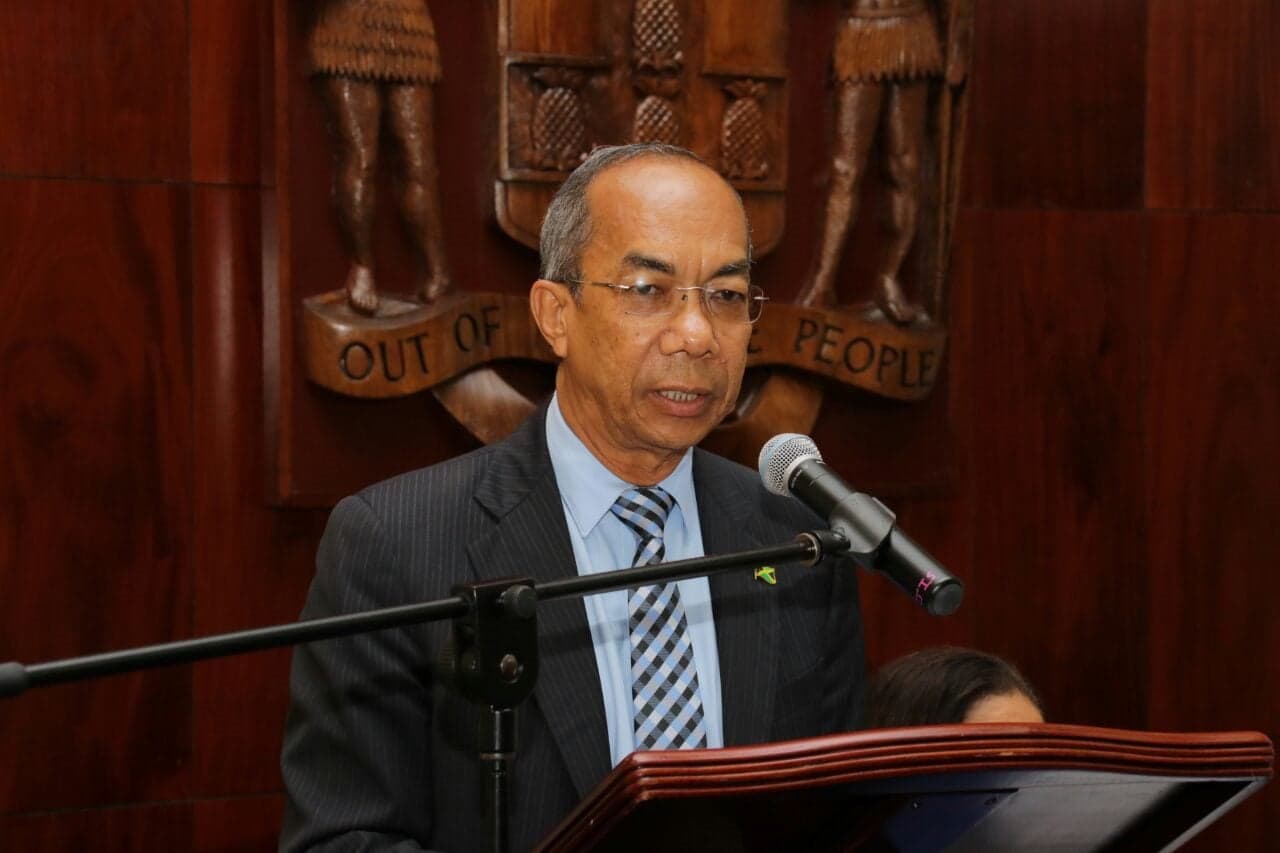
Governance Minister Gail Teixeira emphasized that the decision regarding the death penalty lies with the citizens, highlighting a historical precedent where public sentiment favored its retention during a similar discourse between 1999 and 2001.
Teixeira clarified that Guyana currently upholds an informal moratorium on executions, dating back to 1997.
Despite the existence of laws permitting capital punishment, she emphasized that there are no active plans to execute individuals under the current legal framework.
Absence of execution infrastructure
Notably, Teixeira highlighted the absence of key personnel and infrastructure necessary for carrying out executions.
She pointed out the government’s failure to appoint heads of prison services or allocate funds toward developing execution capabilities, further solidifying the informal moratorium.
International pressure and legal implications
The discussion around the death penalty in Guyana is compounded by international pressure, with various agencies advocating for its abolition, citing concerns over its cruelty and inhumanity.
Despite a recent court ruling in 2022 that upheld the constitutionality of the death penalty, the matter may eventually necessitate parliamentary review.
Challenges in implementing legislation
In addition to the debate surrounding the death penalty, Teixeira addressed challenges in implementing key legislation.
She noted the current inability to enact Public Disclosure and Whistleblower laws due to practical implementation issues, although measures are in place to protect witnesses under police jurisdiction.
Reformation of state assets recovery framework
The closure of the State Assets Recovery Agency (SARA) in 2020 prompted a reevaluation of asset recovery mechanisms.
Teixeira outlined a shift towards utilizing existing law enforcement agencies, such as the Special Organised Crime Unit (SOCU) and the Customs Anti-Narcotics Unit, to bolster efforts in combating financial crimes.
Strengthening anti-money laundering measures
Teixeira highlighted amendments to the Anti-Money Laundering and Countering of Financing Terrorism Act (AML/CFT) in 2023, which introduced provisions for civil forfeiture.
She emphasized the successful confiscation of assets under the updated legislative framework, signaling a commitment to combatting illicit financial activities.
Addressing allegations of corruption
Responding to allegations of corruption involving Vice President Bharrat Jagdeo, Teixeira clarified that no formal complaints were lodged, hindering police investigation.
She reiterated Jagdeo’s public rebuttal of the allegations, emphasizing the necessity of formal complaints for legal scrutiny.