Guyana courts may see rise in asset-freezing and forfeiture cases, AG says
Key Points(5)
- Guyana’s courts should prepare for a significant increase in applications seeking to freeze bank accounts, detain property and confiscate assets believed to be linked to criminal activity, Attorney General Anil Nandlall has said.
- Nandlall made the remarks on Tuesday while reflecting on the 27th Regional Conference of the Americas for INTERPOL, which was held in Guyana on Sept.
- The conference placed significant emphasis on tracing criminal proceeds and identifying assets linked to organised crime.
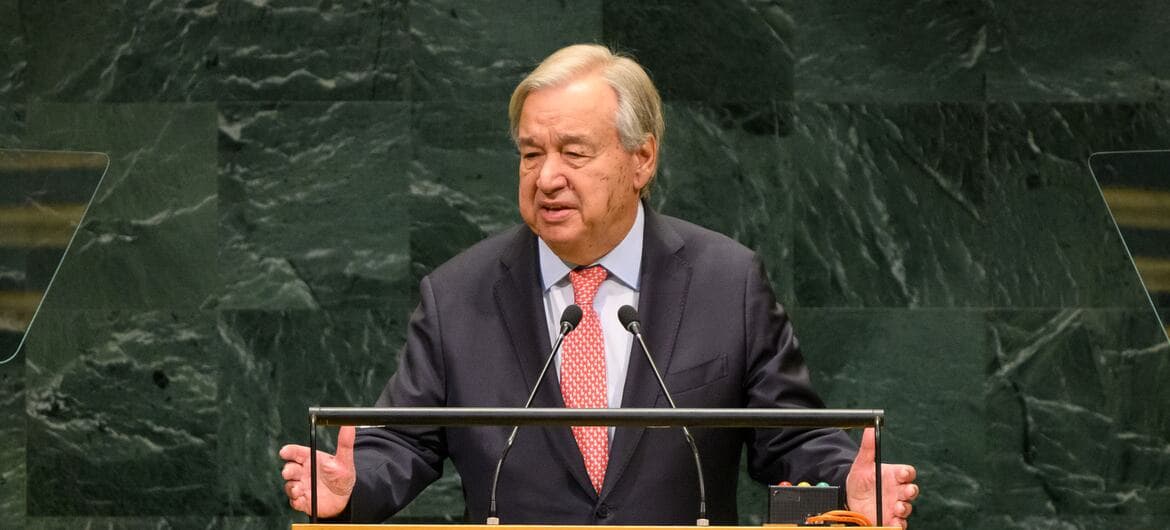
- INTERPOL Secretary General Valdecy Urquiza highlighted the growing connections between drug trafficking and illicit mining, and called for law enforcement agencies to move beyond simply seizing illegal commodities and instead “follow the money” to identify criminal assets.
- Nandlall said the approach is increasingly becoming a priority for law enforcement and criminal justice institutions across the region and internationally.
Guyana’s courts should prepare for a significant increase in applications seeking to freeze bank accounts, detain property and confiscate assets believed to be linked to criminal activity, Attorney General Anil Nandlall has said.
Nandlall made the remarks on Tuesday while reflecting on the 27th Regional Conference of the Americas for INTERPOL, which was held in Guyana on Sept. 23 and 24.
The conference placed significant emphasis on tracing criminal proceeds and identifying assets linked to organised crime.
INTERPOL Secretary General Valdecy Urquiza highlighted the growing connections between drug trafficking and illicit mining, and called for law enforcement agencies to move beyond simply seizing illegal commodities and instead “follow the money” to identify criminal assets.
Nandlall said the approach is increasingly becoming a priority for law enforcement and criminal justice institutions across the region and internationally.
“Repeated applications will now be made to the various courts across the judicial spectrum for orders such as freezing orders to freeze bank accounts, detention orders to detain properties, as well as forfeiture orders to confiscate properties that are implicated in or are considered proceeds of crime and criminality,” he said.
He said prosecutors are being trained to pursue asset-related cases, while Guyana is also working on amendments to its anti-money laundering and countering the financing of terrorism framework.
According to Nandlall, the proposed changes will place greater emphasis on the forfeiture of assets and proceeds of crime.
He said magistrates and judges must also become familiar with the evolving legal framework and the types of applications they are likely to encounter.
Nandlall acknowledged that some of the statutory measures could be viewed as restrictive, but said they are part of a broader legal framework being developed to address increasingly sophisticated criminal organisations.
“The successful combating of crime requires the participation of many organs and agencies,” he said.
Among the agencies involved, he identified the Guyana Police Force, Customs Anti-Narcotics Unit, Guyana Revenue Authority, Financial Intelligence Unit, Special Organised Crime Unit and Guyana Geology and Mines Commission.
Nandlall said these agencies must be supported by personnel capable of conducting sophisticated forensic, ballistic and financial analysis, while prosecutors must have the skills necessary to present such evidence in court.
He said the criminal justice system must continue adapting as criminal organisations increasingly use technology and new innovations to facilitate their activities.
“The criminals are investing heavily in technology, in equipment, and they’re exploiting every new innovation available,” Nandlall said.
The Attorney General described the INTERPOL conference as timely, saying it reflected what he characterized as a more coordinated approach to combating organised crime across the Americas.